Slovenian Desserts: Štruklji, Kremšnita, Gibanica and Krofi
Slovenian desserts explained: štruklji, kremšnita, prekmurska gibanica and Carnival krofi, with what is in each one and where to order them.
On this page
Slovenian desserts fall into two groups that matter when you order: rolled and layered pastries you eat with a fork, and boiled rolls that may turn up beside your main course. Štruklji are the tricky one, because the same word covers a savory side dish and a sweet finish. This guide explains what is inside each dessert, how it is served, and where in Slovenia you are most likely to meet it on a menu.
The names repeat across the country, but a few are tied to a region or a season. Prekmurska gibanica comes from Prekmurje in the northeast, kremšnita is sold all over Slovenia with a strong association with Lake Bled, and krofi and flancati appear in the weeks before Lent. Knowing which dessert belongs to which part of a trip helps you decide what to order first.
What counts as a Slovenian dessert
Most Slovenian desserts are built from dough and a dairy or nut filling rather than from chocolate or fruit alone. Cottage cheese, sour cream, poppy seeds, walnuts, buckwheat and apple recur, and many recipes are boiled or baked in a roll or a tray and then sliced. That makes portions generous and the textures heavier than a French pastry case.
A second dessert family is the cream slice, a custard set between sheets of puff pastry. The version sold in Slovenia is usually called kremšnita or kremna rezina, and the same idea appears across Central Europe under names such as Cremeschnitte and krémes. The exact layers vary by recipe, so expect differences from one counter to the next; our Bled cream cake guide breaks down the slice layer by layer.
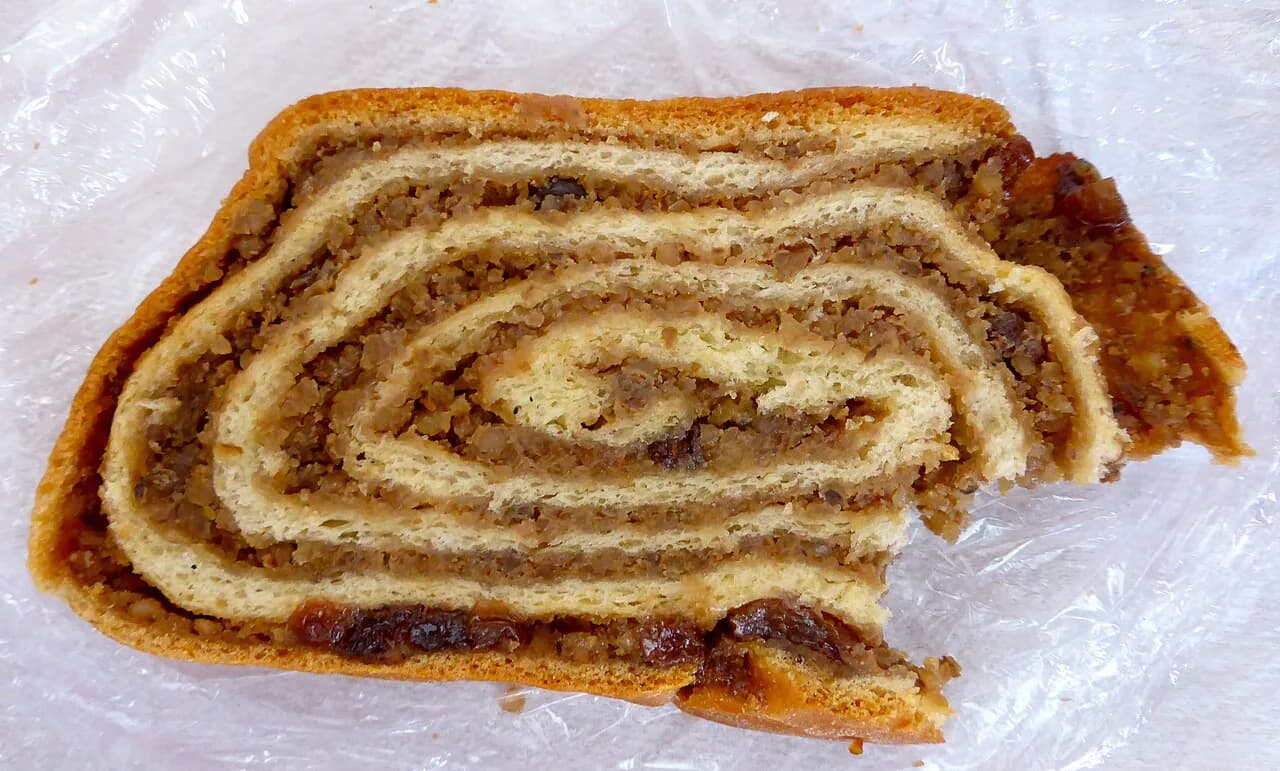
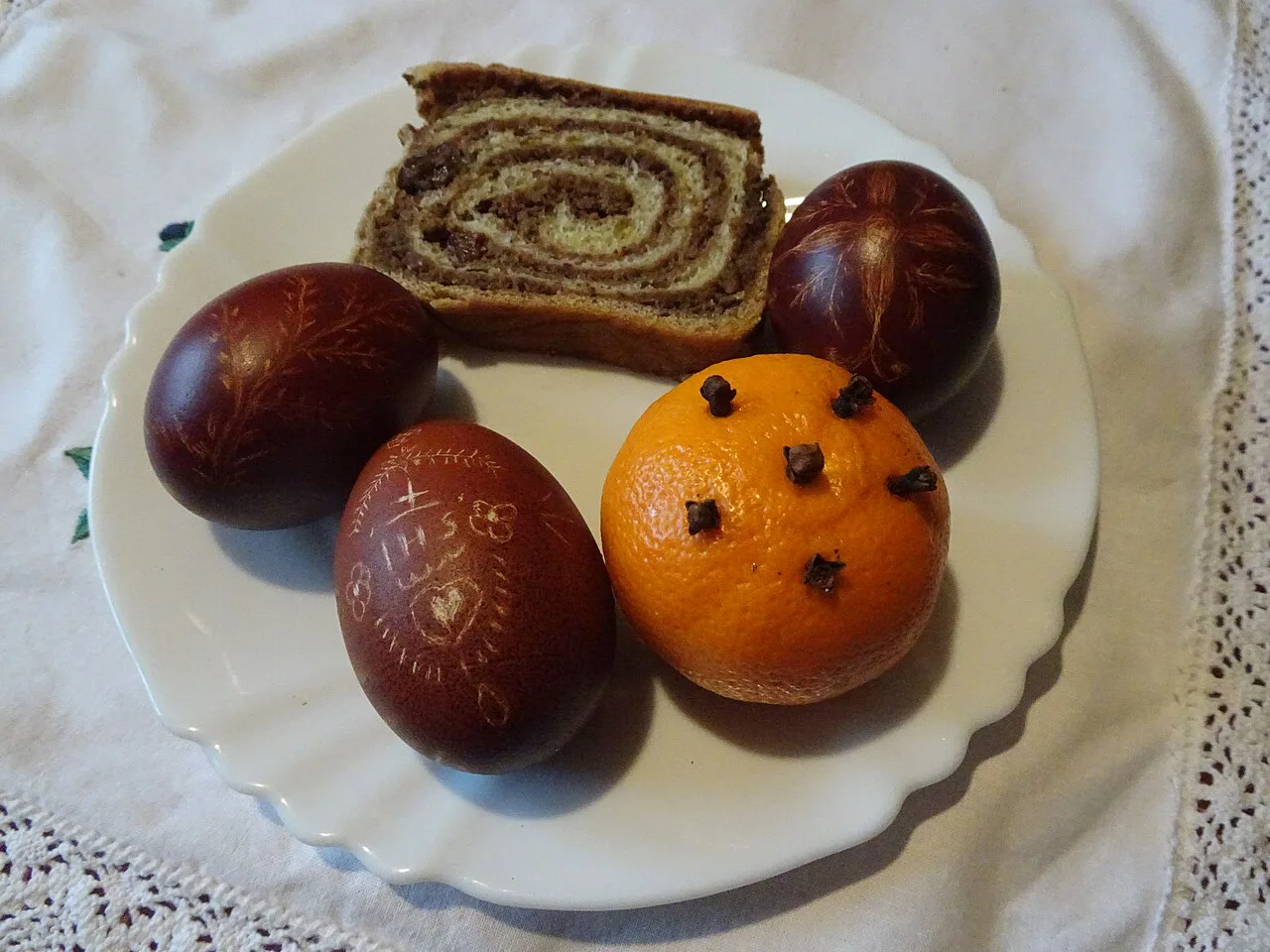
A third strand is the rolled yeast cake, of which potica is the best known. It is baked in a ring pan, sliced thin, and served with coffee or as a holiday treat. If you only have room for one bakery purchase to take home, a sliced potica travels better than anything with custard in it. Our potica guide covers the fillings and method.
Štruklji: boiled or baked rolls with sweet or savory fillings
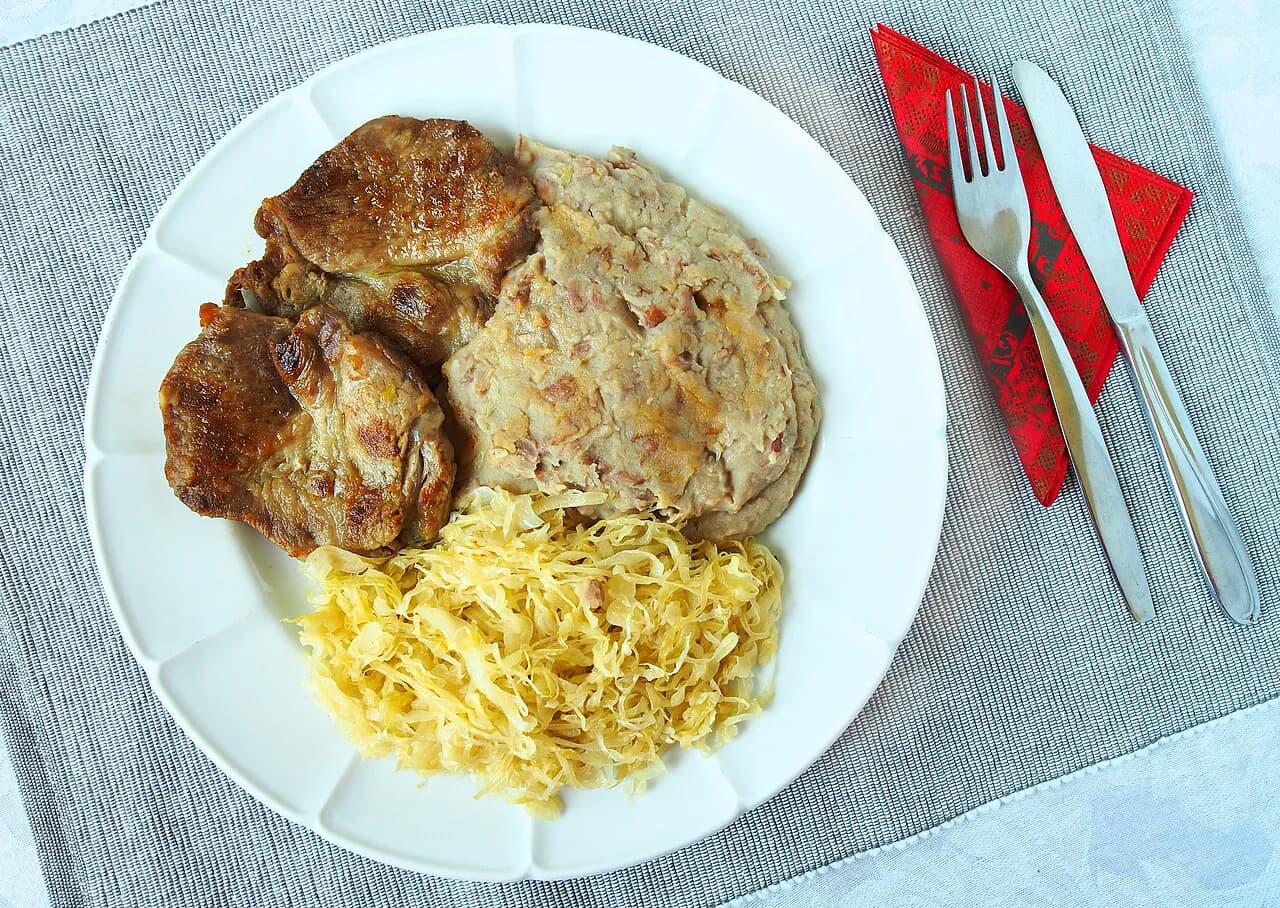
Štruklji are rolls of thin pastry wrapped around a filling and then boiled, baked, or boiled and then baked. Fillings run from cottage cheese to buckwheat with walnut, and the rolls are sliced into rounds before serving. The dough itself is neutral, which is why the same dish can be savory or sweet depending on what goes inside and on top.
On the savory side, cottage cheese štruklji are served as a side dish next to meat and sauce, and they take the place a dumpling or a potato would have on a plate elsewhere. As a dessert, the same rolls come with cream and toasted breadcrumbs, so the topping is the signal that you are at the end of the meal rather than the middle.
Fillings go well beyond cheese. Cottage cheese and buckwheat with walnuts are the common pairings, and tarragon is used widely enough in Slovenia that a tarragon version is worth trying once. Boiled apple and baked apple fillings also appear, so ask what is in the roll before you commit to a sweet or savory order.
In Ljubljana, štruklji turn up in restaurants serving local food and at a štruklji-only restaurant at the central market. A portion is two rolls, which is the practical way to compare a savory and a sweet filling in one sitting. Several places in the city center, including Klobasarna and Slovenian house, list boiled štruklji with different fillings.
Order štruklji as a main only if you want a light meal; they sit better as a side or a shared plate. If a menu lists them without saying sweet or savory, ask, because the breadcrumb topping and the cream are what turn them into dessert.
Kremšnita: the cream slice associated with Lake Bled
Kremšnita, also written kremna rezina, is a tall slice of puff pastry sandwiching a thick custard, sometimes with whipped cream on top. It is cut with a knife and eaten with a fork, and it is filling enough that one slice shared between two is a reasonable order. The pastry softens quickly once the custard is added, so it is at its best soon after assembly.
The dessert is often tied to Lake Bled, where it is a well-known order for visitors. Origin stories are less settled: bakers in Samobor near Zagreb make a closely related slice, and similar cakes appear across Austria, Hungary and Slovakia. Treat any single claim of origin with caution and enjoy the version in front of you.
Recipes differ in how the custard is set and whether cream goes on top. Some versions rely on flour and cornstarch, others add gelatin for a firmer slice, and some put a layer of whipped cream between custard and pastry. That means two kremšnita in two towns can taste quite different even though the name is the same.
If you are traveling with someone who avoids dairy, do not assume a vegan version is on the menu; the standard slice is built on milk, eggs and cream. It is the kind of dessert to plan a coffee stop around rather than to grab on the way to a bus.
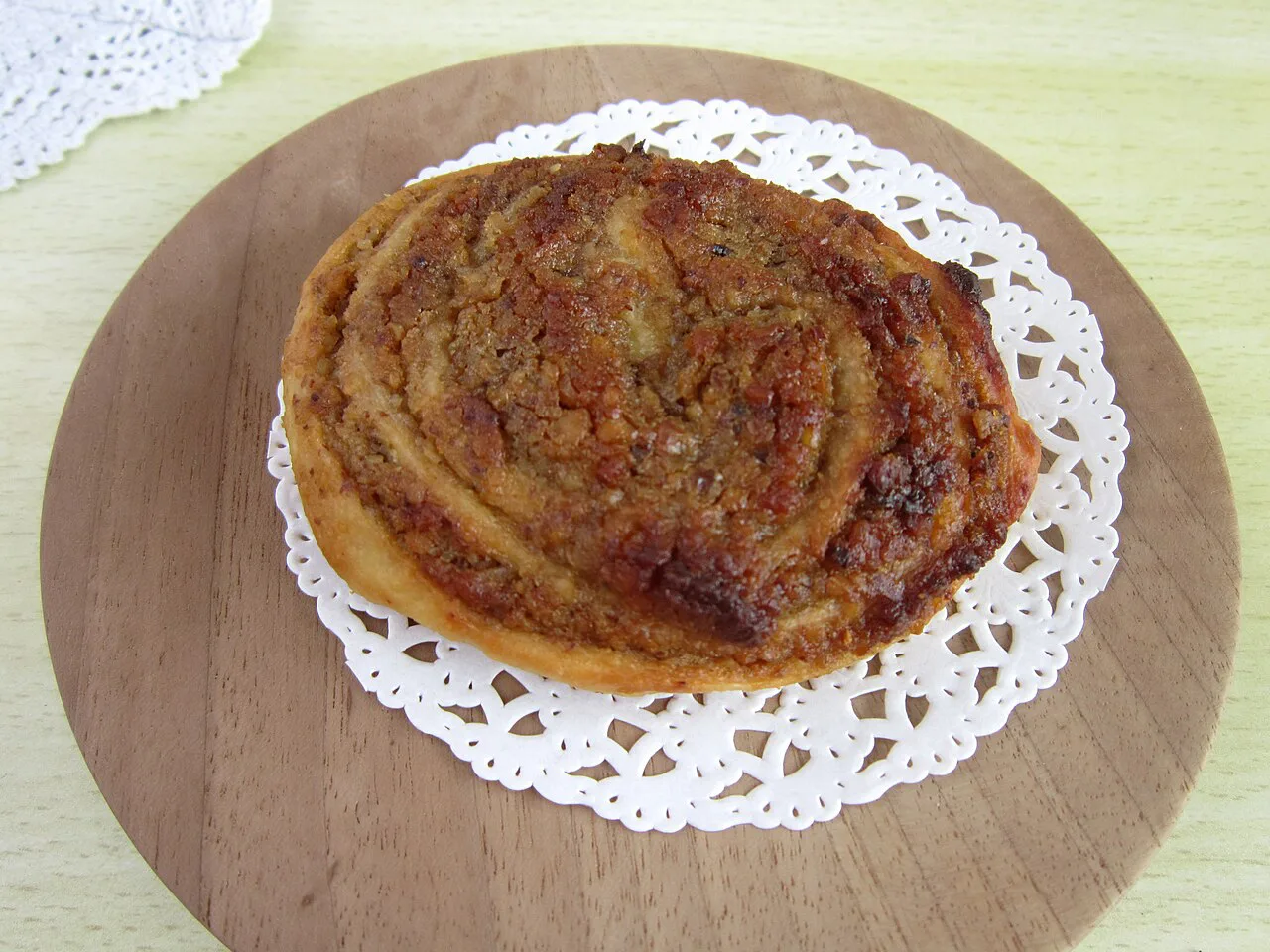
Prekmurska gibanica: the layered cake from Prekmurje
Prekmurska gibanica is a tray-baked cake from Prekmurje, in the far northeast of Slovenia, and it is built in alternating layers rather than rolled. The fillings are poppy seed, cottage cheese with raisins, ground walnut, and grated apple, each spread between sheets of stretched dough. It is dense, and a modest square is enough after a full meal.
Making it is a project. The dough is stretched thin, the poppy seed and walnut fillings are loosened with hot milk, the apples are stewed briefly with cinnamon and lemon zest, and the assembled tray bakes for about an hour before it cools and is cut. That labor is the reason you are more likely to find it in a restaurant or a bakery than to make it in a rental kitchen.
Order it when you are in the northeast, or anywhere a menu lists Prekmurska gibanica as a regional dish. It pairs with coffee better than with a heavy main course, and it keeps well enough to take a slice away for later. The word gibanica on its own can mean other layered pastries, so check that the description names the four fillings.
Carnival doughnuts and fried dough balls
Krofi are yeast doughnuts filled with jam and dusted with sugar, and in Slovenia they belong to the Carnival season before Lent rather than to the everyday bakery counter. The dough is rich and fried, and the fillings vary by household and by shop. Outside Carnival, expect them to be harder to find than kremšnita or štruklji.
Flancati are the other Carnival pastry, strips of dough fried until crisp and dusted with sugar. Trojane, on the road between Ljubljana and Celje, is known for its doughnuts, which makes it a natural stop if your route passes that way. If you want the Carnival doughnuts and fried dough balls background, Flancati: Slovenia's Carnival Fried Dough covers the season.
Carnival dates move with Easter, so the weeks when these pastries appear shift from year to year. If your trip is built around trying them, check the calendar for the year you are traveling rather than relying on a fixed date. Outside that window, bakeries and restaurants may still bake fried dough, but do not count on it.
Sweet or savory: how each dessert is served
The serving style is the part that catches visitors out. Štruklji can arrive as a side dish next to venison or another meat, in which case ordering them as a dessert leaves you with two savory courses. Kremšnita and prekmurska gibanica are always dessert, and krofi and flancati are eaten as a sweet snack with coffee.
Watch the topping. Breadcrumbs and cream signal a sweet štruklji, while a sauce or a meat plate alongside signals the savory version. On a multi-course menu in a gostilna, the savory rolls may be listed under side dishes rather than under desserts, so scan both columns.
Portions are not delicate. A slice of gibanica or kremšnita is often enough for two people who have already eaten a main course, and sharing is normal. Ordering one dessert for the table and a coffee each is a practical way to try more than one kind over a few days.
Ordering in Slovenian: the words on the menu
A few words carry most of the weight. Štruklji are the rolls, gibanica is a layered tray cake, kremšnita or kremna rezina is the cream slice, and krofi and flancati are the Carnival pastries. Potica is the rolled yeast cake, usually sliced and served with coffee rather than as a plated dessert.
Fillings have their own vocabulary: skuta is cottage cheese, ajdova kaša refers to buckwheat, orehi are walnuts, mak is poppy seed, and jabolka are apples. A menu line that pairs skuta with ajdovi could mean either a savory or a sweet roll, so ask. On a bakery shelf, look for the word rezina, meaning a slice.
If you want to bake at home afterward, recipes for these desserts use ingredients that are easy to find in any Slovenian supermarket but less so abroad, particularly prekmurska gibanica fillings and fresh yeast dough. Cookie tins are the simplest souvenir to carry back if you are short on time.
Where to try them in Slovenia
Ljubljana is the easiest place to work through the list in a few days. A štruklji-only restaurant at the central market sells them, and restaurants serving local food around the old center list them alongside kremšnita. Use the city as a tasting base, then look for regional versions as you move on.
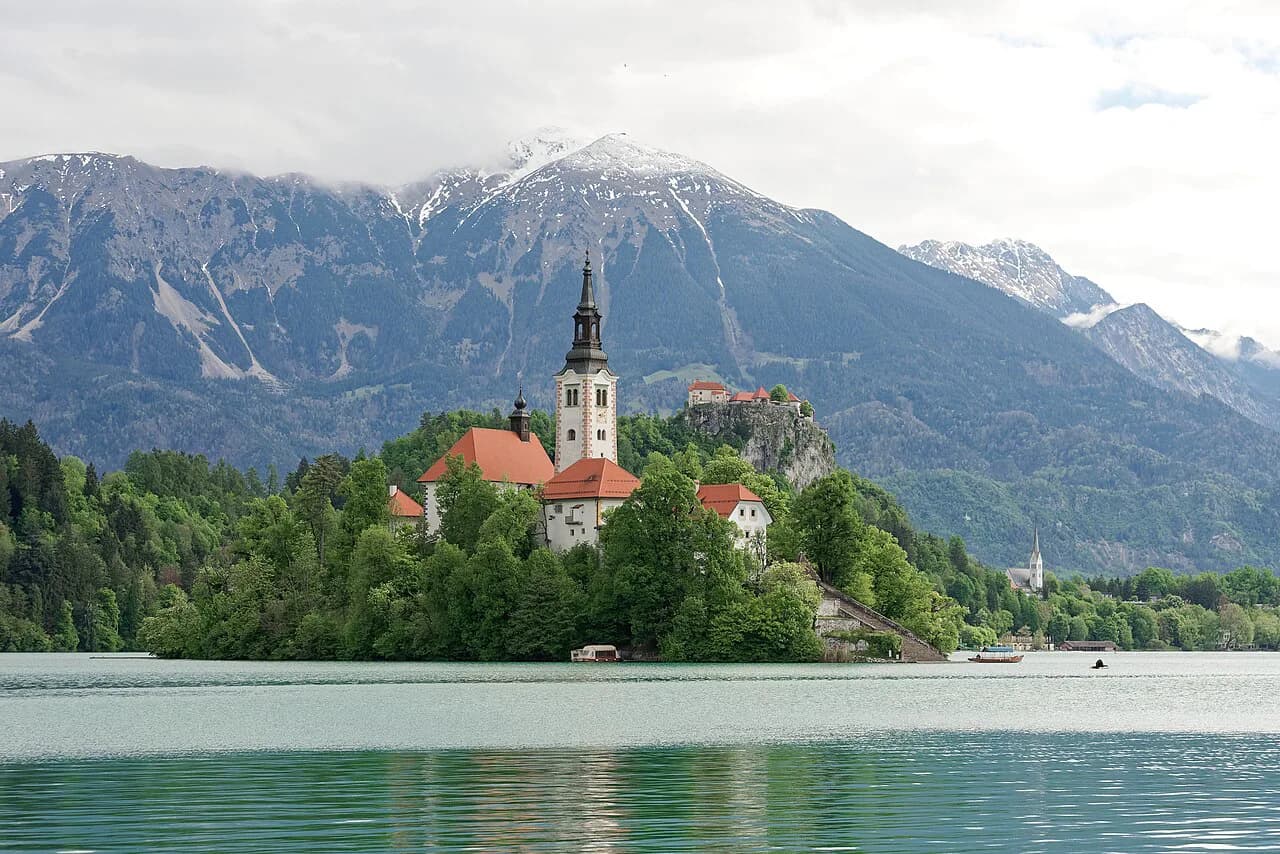
Lake Bled is the place most associated with kremšnita, so it is a natural stop for a slice. The trade-off is that everyone else has the same idea in summer, so a mid-morning or late-afternoon stop is calmer than lunchtime. Pair the slice with a walk along the shore rather than a second dessert.
Prekmurje is the place to order prekmurska gibanica, and it is a long way east of Ljubljana, so it fits a route toward Maribor or the Hungarian border rather than a day trip. Trojane is the stop for doughnuts if your drive crosses central Slovenia. Neither is worth a detour on its own unless the dessert is the point of the trip.
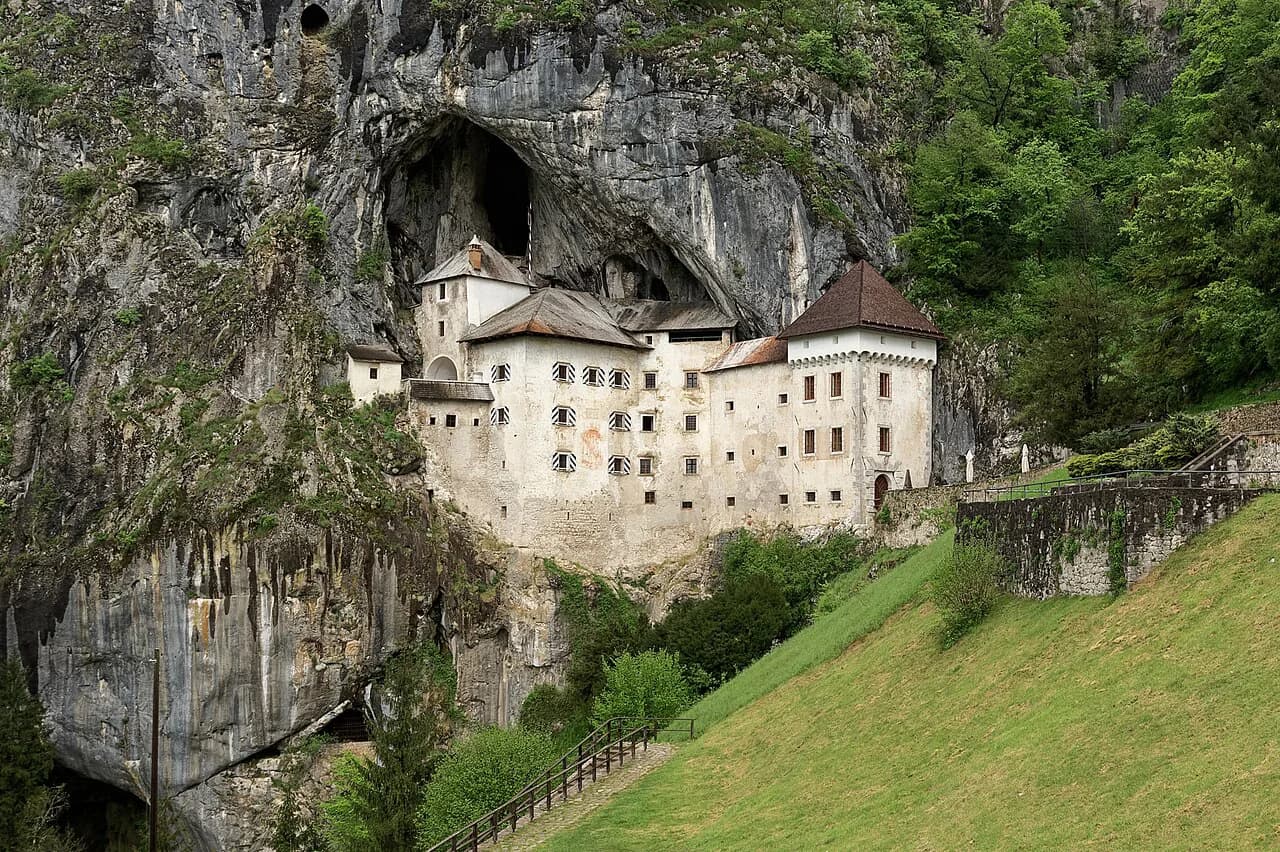
Castles and monasteries often have a café or a restaurant attached, and a slice of potica or gibanica is a sensible reason to stop when you are already visiting. Pair a dessert with a look at the castles in Slovenia or the churches in Slovenia on your route rather than planning a separate food excursion.
Which dessert should you order first?
Start with štruklji, because they teach you the sweet-savory split that trips up most first-time orders, then move to kremšnita for something you can eat with a fork and a view. Add prekmurska gibanica when your route takes you east, and leave krofi and flancati for a Carnival visit.
A practical plan is one dessert a day, shared, with coffee. That pace lets you compare fillings and toppings without turning the trip into a bakery crawl, and it leaves room for the savory versions that are as much a part of the table as the sweet ones.
Explore more Slovenia guides
Sources
Notes for your Slovenia trip
Optional updates to our Slovenia place guides.
You might also like
Continue reading
More guides you'll find useful