Slovenia Culture: What Visitors Notice in Everyday Life
Slovenia culture for travelers: the language and its dialects, coffee habits, food heritage, house names, salt-making and the osmica, and how to act as a guest.
On this page
Slovenian culture is easiest to read through three things locals bring up first: the country is small, nature and the mountains matter enormously, and the Slovenian language sets them apart from Austria, Italy, Croatia and Hungary next door. That framing comes straight from how Slovenians describe themselves, and it shapes everything a visitor notices in a week of travel. This guide covers the language and its dialects, coffee and food customs, house names and craft heritage, the coastal and Karst traditions, and how to behave as a guest.
Habits and customs carry real weight in daily Slovenian life, and much of that heritage is intangible rather than something you queue for at a ticket window. A trip that ignores it can still be pleasant, but you will miss why the coffee is lingered over and why a farm doorway carries a name that has nothing to do with the family's surname.
What Slovenia culture looks like to a first-time visitor
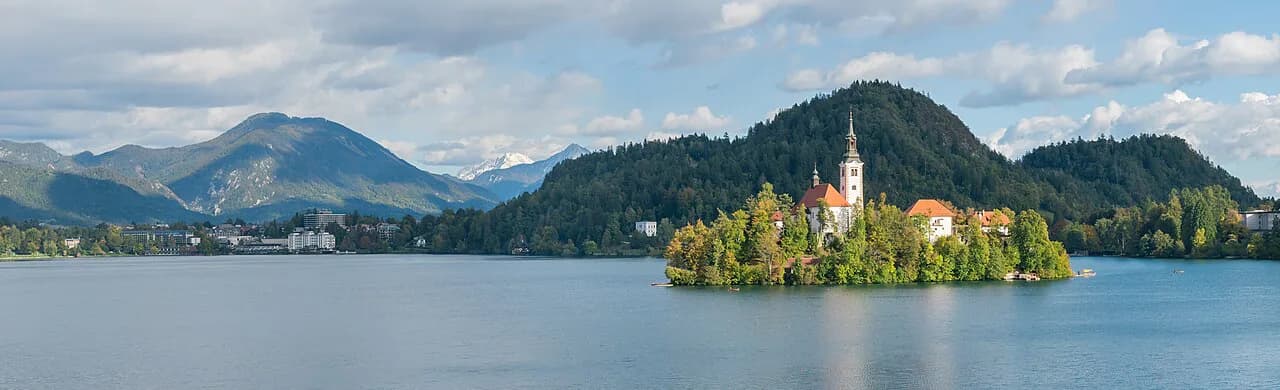
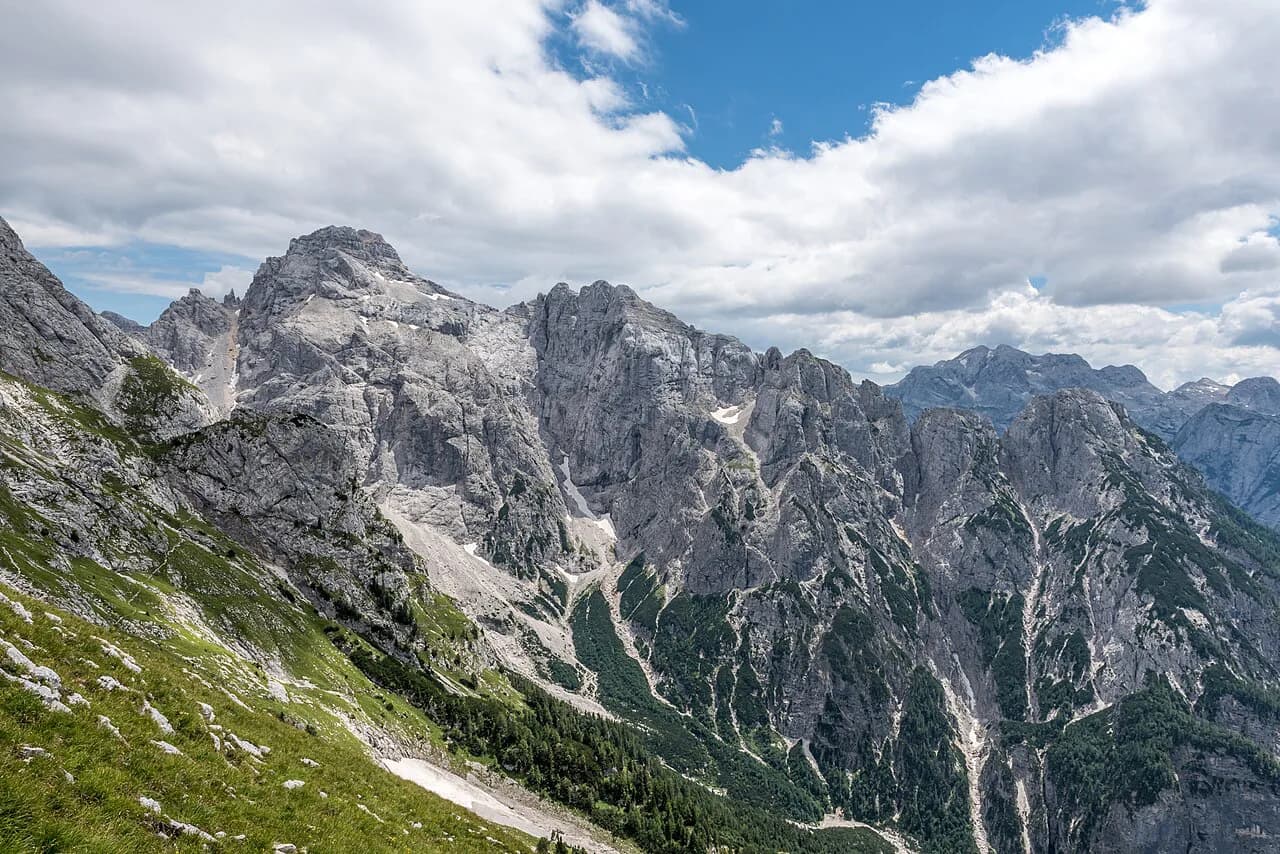
The country covers roughly the area of New Jersey, or Wales, and holds slightly over two million people. That scale explains a lot: you can cross between a mountain valley, a medieval old town and a short strip of Adriatic coast in a single day, and the cultural accents change with them. Slovenians describe their position as the sunny side of the Alps, and the Alps genuinely set the tone of the northern half of the country.
Pastel facades on medieval squares and a Mediterranean habit of sitting over coffee sit alongside Austrian-influenced architecture, because the country spent centuries under Habsburg rule while keeping its own language and culture. For a traveler, that mix means an old town center in Maribor or Ptuj can feel Central European while Piran feels Adriatic within a few hours' drive. Expect a relaxed pace in the squares rather than a rushed sightseeing checklist.
Slovenians tend to be proud of the country and happy to talk about it, and the conversation usually starts with size, then nature, then language. Ask about a mountain or a dialect and you will get a real answer. That openness is the easiest cultural bridge you have, and exploring Slovenia's regional character is a good way to see it in practice.
The language: Slovenian, its dialects, and a few words worth knowing
Slovenian is a South Slavic language and the country's official language, and Slovenians are quick to point out it is not the same as other languages of the former Yugoslavia. It is famously hard to learn as a foreigner. English works well in towns and tourist areas, but a greeting in Slovenian changes the temperature of an exchange.
There are around fifty dialects grouped into seven regions, and even native speakers can struggle to understand each other across regions. That is not a quirk to laugh at; it is a lived reality, and it explains why a shopkeeper in one valley may sound nothing like a guide in another. Listen for it rather than assuming your phrasebook will map cleanly onto what you hear.
Learn a handful of basics before you arrive: hello, please, thank you, and how to say you don't understand. Locals appreciate the attempt even when you switch back to English. If you want to go further, explore the basics of the language before your trip.
Coffee, pastries, and the pace of a Slovenian day
Coffee is a fixture of the day, and the culture around it is closer to the Mediterranean habit of lingering than to a quick takeaway. Slovenians describe their country as having always time for coffee, and in old town squares that shows up as tables that fill slowly and stay occupied. Ordering a coffee is a reasonable excuse to sit and watch a square for half an hour.
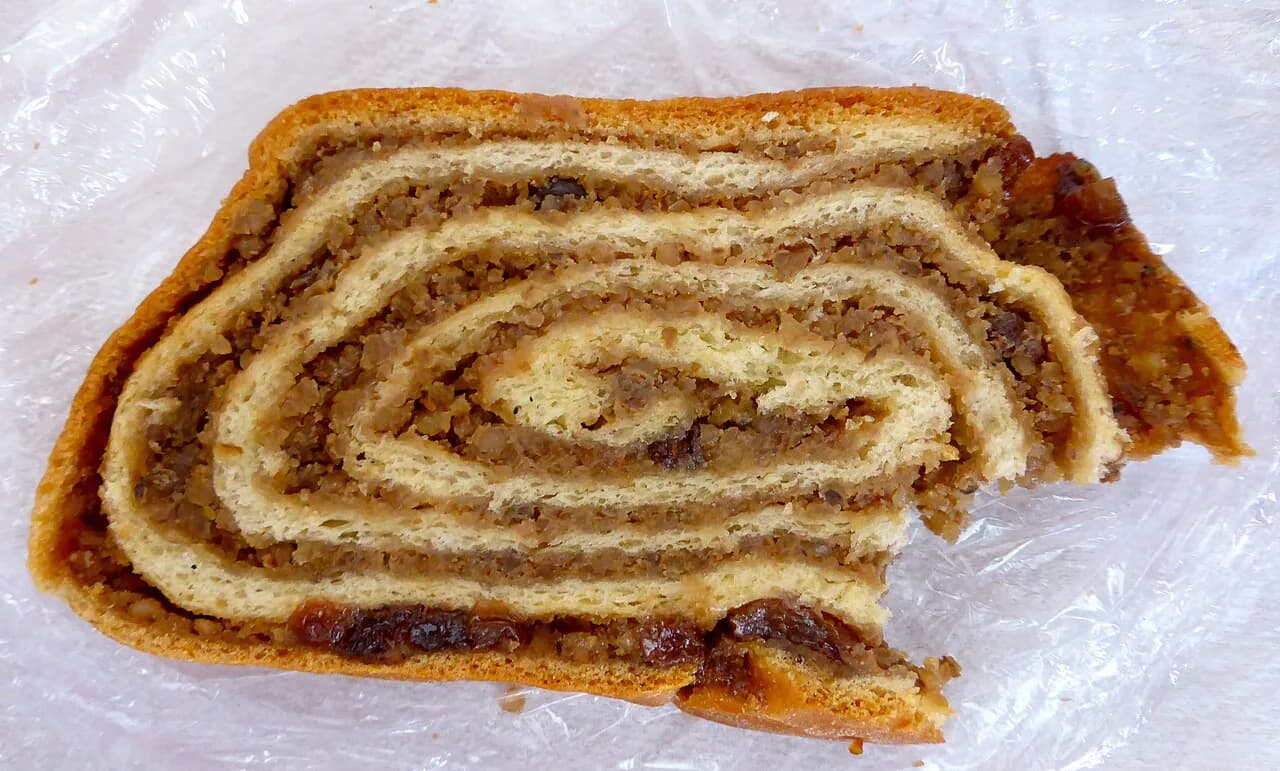
Sweet baking is part of the same rhythm. Potica, a rolled nut or seed cake, turns up on family tables and in cafés, and it is one of the clearest edible expressions of Slovenian home cooking. Try a slice with coffee rather than treating it as a dessert after dinner; that is closer to how it is eaten.
Food as heritage: potica, traditional breakfast, and regional flavors
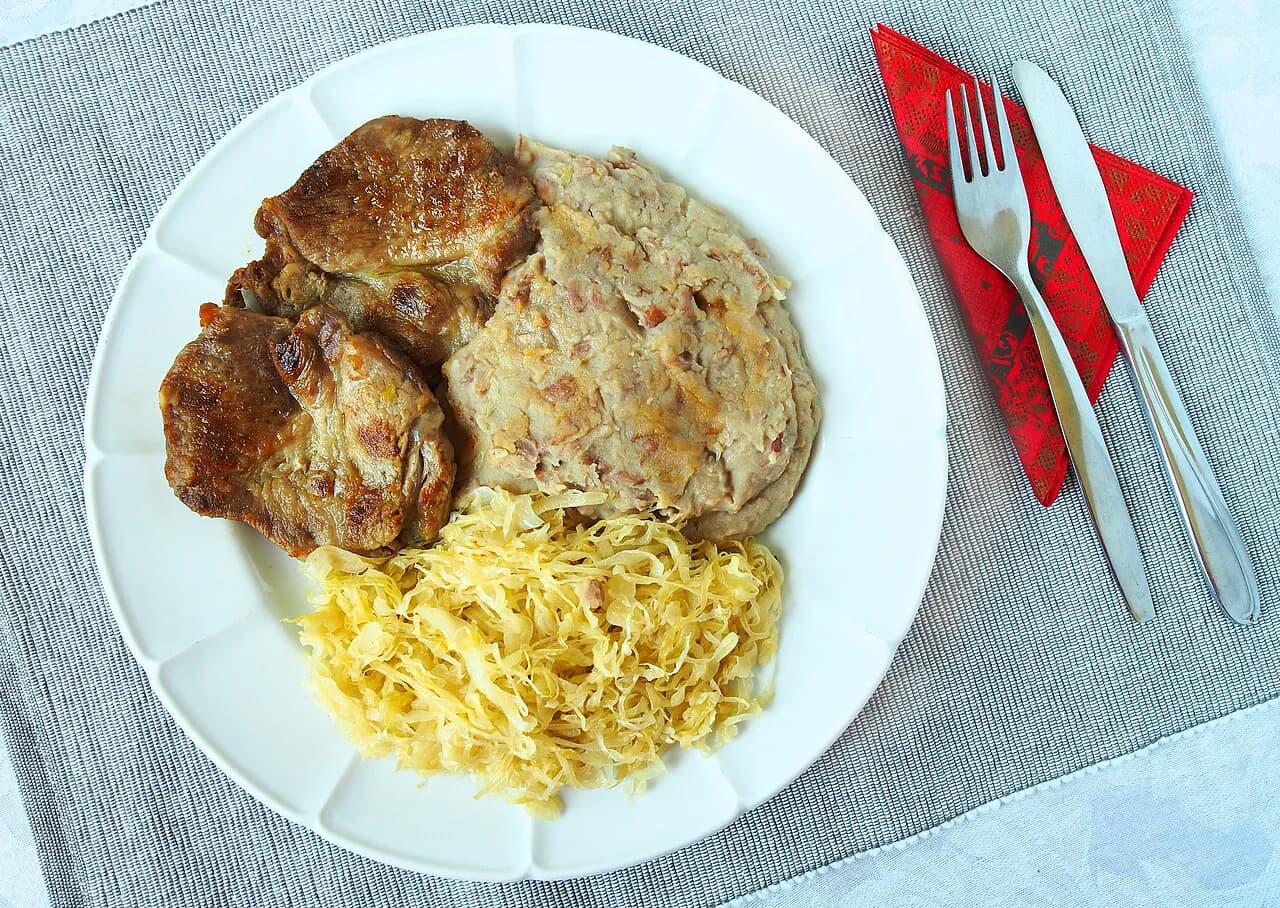
Food is one of the categories visitors notice fastest, and the traditional Slovenian breakfast is treated as heritage rather than just a meal. A potica recipe, a Turkish-style coffee and the traditional breakfast all sit together in how Slovenians describe their own table culture. Look for regional dishes as you move: what appears on a Karst menu differs from what a Gorenjska farm serves.
Mushroom picking is one of the country's most popular activities from the end of March to November, thanks to three different climates and a wide variety of mushrooms. That is why wild mushrooms appear on menus and why locals talk about the forest the way other people talk about a market. Ordering a mushroom dish in season is a fair reflection of where you are.
Beekeeping is another food-adjacent tradition worth knowing about, and the Carniolan bee is the local strain that beekeepers work with. Honey shows up at farm gates and markets and makes a sensible edible souvenir. If you buy a jar, check the label for the region rather than grabbing an unmarked one.
Honey is not the only edible thing worth carrying home. Souvenirs tied to a specific region tell you more about the place than a generic magnet, and food items are usually the easiest to pack. Choose by region and you will come back with something that has a story attached.
Customs and festivals tied to the calendar and the land
The calendar structures much of Slovenian custom, and some dates are anchored in national life rather than tourism, with religious and civic occasions marking the year's rhythm and the way they are observed saying something about family, faith and civic habit at once. Check with local tourist information offices for what is happening in a specific town on a specific date, since program details change year to year. For the broader picture of annual customs, see Slovenian Traditions.
Weddings and family celebrations still carry visible traditions, even though many Slovenian couples live together before marrying. If you are invited to a family event, showing up on time and bringing something small for the table is the safe approach. Customs around food and drink at these gatherings are strong, and refusing everything can read as distant.
Music is another entry point into the culture, and the folk-influenced styles you hear at celebrations are part of everyday social life rather than background noise for locals. Hearing it once in context, at a village event or a family gathering, will tell you more than reading about it.
Heritage you can see: house names, hayracks, and craft traditions
In older villages, houses were commonly known by a house name, a hišno ime, that had nothing to do with the family surname and often stayed with the building across generations. It is an important piece of Slovenian cultural history, and it is why a local may direct you to a name you will not find on a street sign. If you are staying somewhere rural, ask for the house name as well as the address.
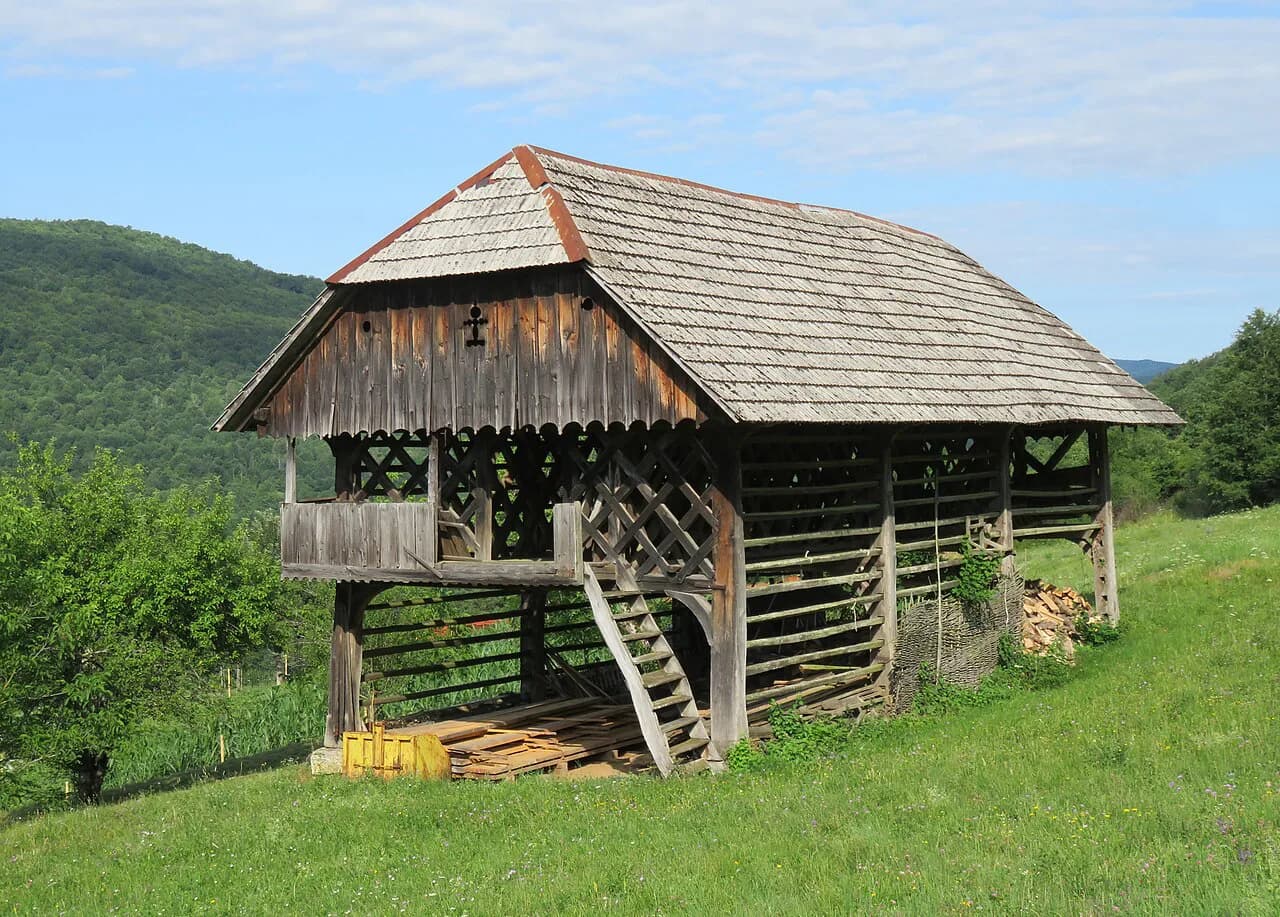
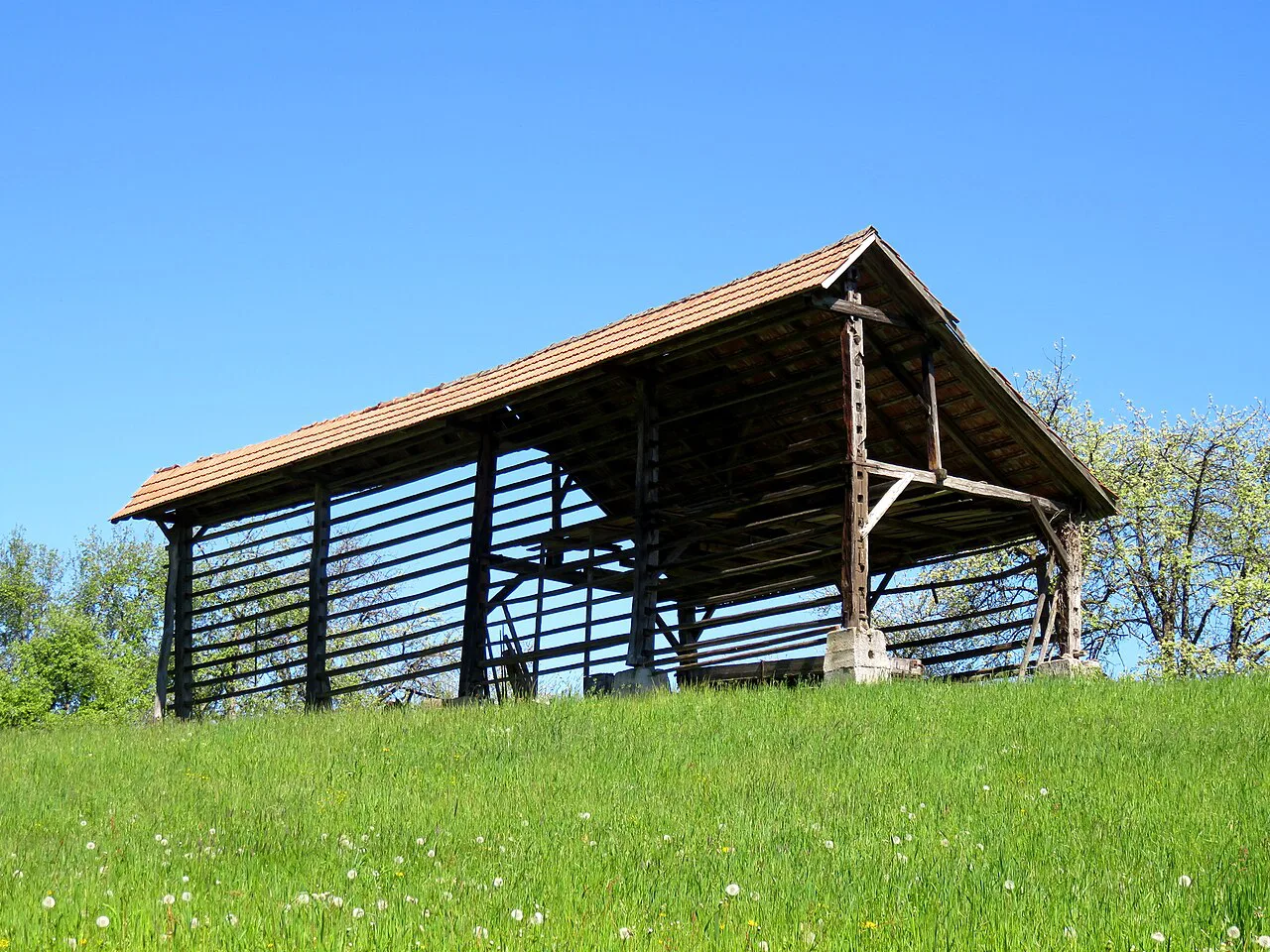
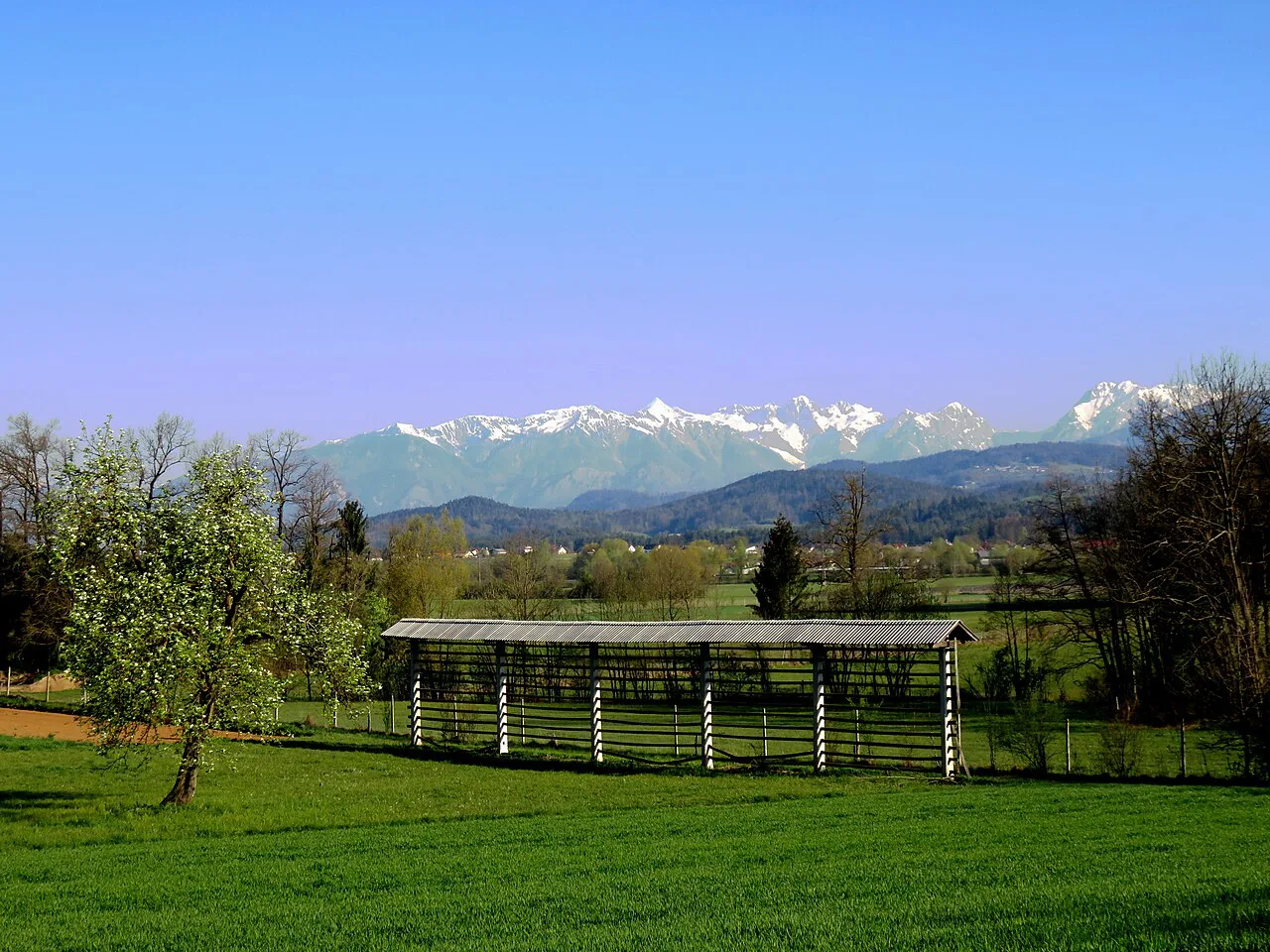
The hayrack is the most visible piece of rural architecture in the Alps and the countryside, and the kozolec is worth recognizing when you drive past one. Each region builds them a little differently, which is why they vary from valley to valley. Plan to stop and look if you pass one along a rural road, and see Kozolec: Slovenia's Traditional Hayrack and Where to See Them for the regional variations.
Beekeeping leaves visible marks on the countryside, from working apiaries to the small painted hives you may spot at the edge of a village. The craft sits at the meeting point of agriculture and folk art, which is why it rewards a closer look. Start with the painted beekeeping tradition if you want to read what you are seeing.
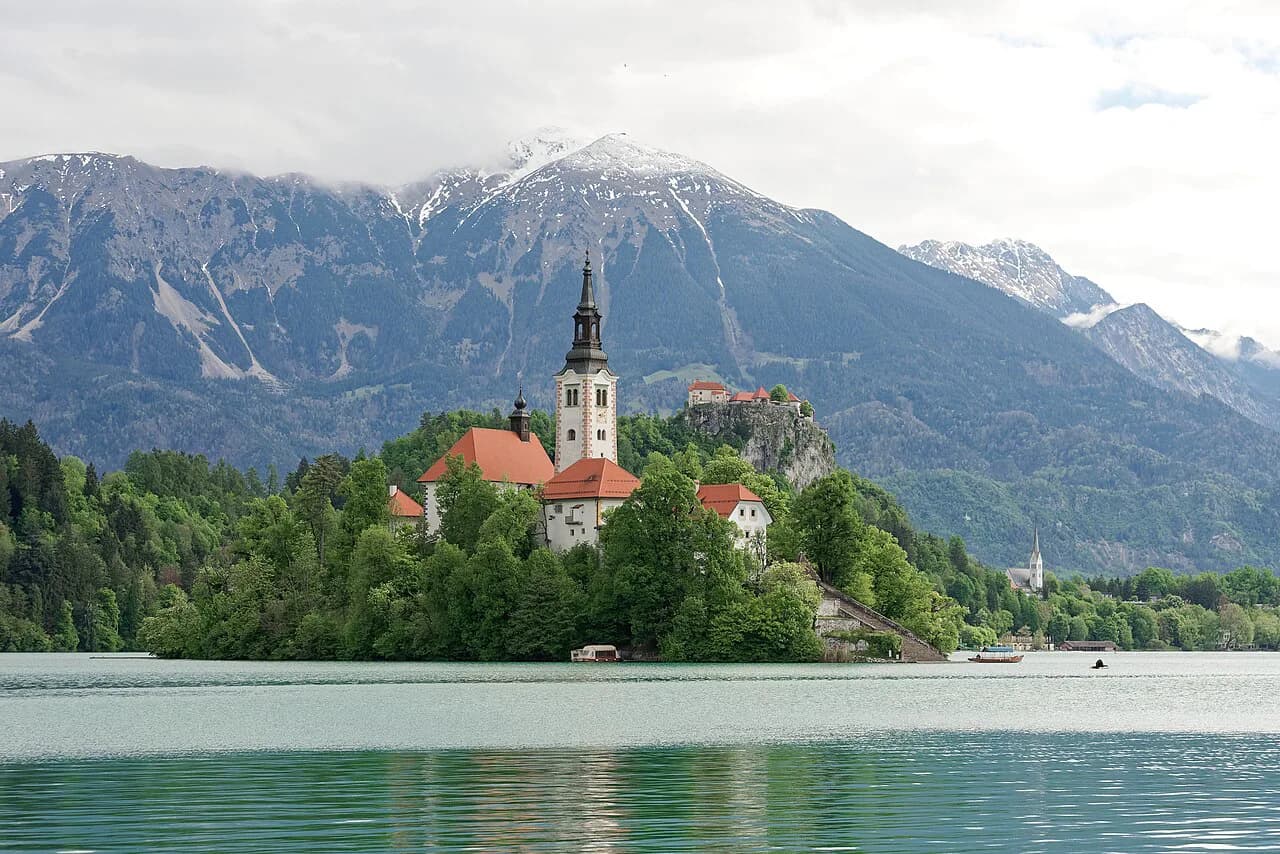
Architecture outside Ljubljana changes with the terrain, and the Soča valley and the coast give you two very different examples of how building adapts to landscape. Churches sit at the center of many villages, sometimes on a hill above the houses. If you are driving between regions, plan a short stop at one to read the local style, and see Slovenian architecture for the regional forms.
Folk costume, the narodna noša, appears at celebrations and formal events rather than in daily dress, and each region has its own version. Bela Krajina has a distinctive style that is worth recognizing when you see it in a museum case or at an event. Treat it as heritage to look at, not something to dress up in.
Coast and Karst traditions, from salt-making to the osmica
On the Slovenian coast, salt-harvesting is still practiced in the Sečovlje Salina Nature Park following a centuries-old process, and the fleur de sel known as solni cvet is produced there. It is a working landscape rather than a performance, so the time you visit matters to what you will actually see. Check with the park for the season's activity before you build a day around it.
The osmica is the Karst tradition of eight days of feasting, a roughly two-centuries-old custom that lets local farms serve homemade food and wine directly. The important word is season: osmica events run during set periods rather than permanently, so a farm visit needs checking against the calendar. When one is running, sitting down at a farm table is a better use of an evening than a restaurant in town.
How to behave as a guest: what Slovenians value and what to skip
Slovenians value their country, their mountains and their language, and they like visitors who show curiosity about all three. Ask a question about a local dialect or a mountain name and you will get a warm response. Treating Slovenia as a cheaper version of a neighbor is the fastest way to get a cool one.
Small courtesies go a long way: greet shopkeepers when you enter, say thank you in Slovenian when you can, and be patient with the pace of service in a square. Tipping is common in cafés and restaurants but not obligatory; rounding up or adding around ten percent is a reasonable default for good service. None of this is rigid, and overly formal behavior reads as odd rather than polite.
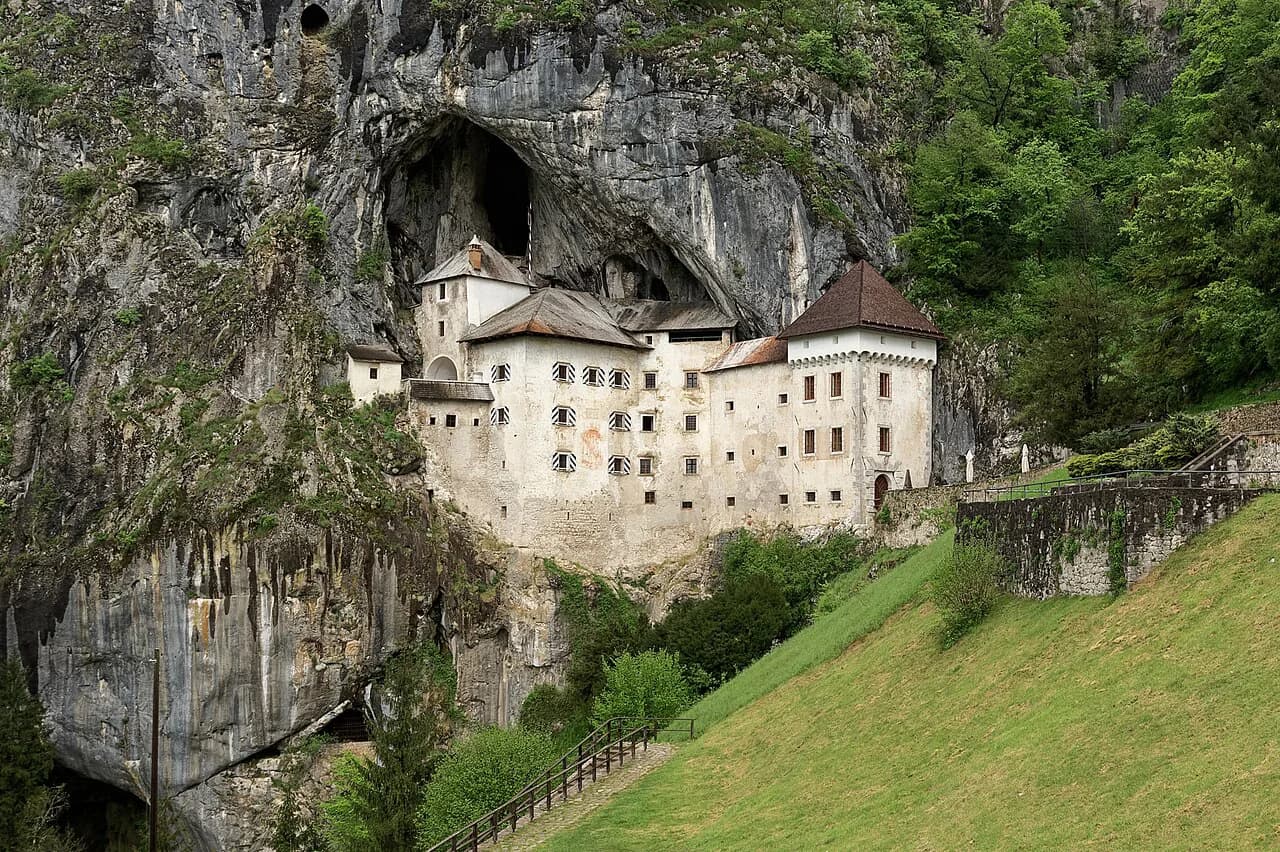
Country matters for some visitors, but the practical point is that churches and religious sites are part of the landscape and are still in use. Dress modestly when you go inside and stay quiet during services. For a wider map of what you might visit, see churches in Slovenia and castles in Slovenia for the ones that fit a route.
Reading the map: why regions, not one culture, explain what you see
Slovenia has three different climates and a landscape that runs from Alps to Adriatic within a short drive, and the cultural differences follow the geography. That is why the Karst, Gorenjska and the coast feel distinct even though they share a language and a state. Build a route around one or two regions instead of trying to cover the country in a week.
The tourism board organizes the country into Alpine Slovenia, Ljubljana and Central Slovenia, Thermal Pannonian Slovenia, and Mediterranean and Karst Slovenia, and that structure is a useful way to plan. Pick a region, then look for its customs rather than treating culture as a separate item on the itinerary. A visit to a farm or a village square will teach you more than a museum label.
It helps to pick two or three heritage threads before you arrive rather than treating culture as a separate item on the itinerary. A visit to a farm or a village square will teach you more than a museum label, and having a theme gives you better questions to ask. Leave room for everything else.
Which cultural thread to follow on your trip
If you have one free day beyond the headline sights, follow food and craft rather than another viewpoint. A farm table during an osmica, a beehive panel on a working apiary, or a hayrack at the edge of a village will tell you more about Slovenian culture than any single museum room. Choose one and go slowly.
If your trip is short, build the language in early: learn a greeting and a thank-you, and ask about the local dialect where you are staying. That small effort is what most visitors skip, and it is the one that changes how the week feels.
Explore more Slovenia guides
- Carniolan Bee (Apis mellifera carnica)
- Carniolan Honey Bee
- Kozolec: Slovenia's Traditional Hayrack and Where to See Them
- Painted Beehive Panels
- Slovenia Souvenirs Worth Buying, and the Regions Behind Each
- Slovenian Folk Costume
- Slovenian Language Basics
- Slovenian Music
- Slovenian Traditions
- Slovenian Architecture Outside Ljubljana
Frequently Asked Questions
Do I need to speak Slovenian to travel around the country?
No. English works in towns, at ticket desks and in most restaurants, and tourist areas are used to foreign visitors. Slovenians appreciate an attempt at a greeting or a thank-you, and in rural areas that small effort matters more than fluency.
What should I know about religion in Slovenia before visiting churches?
Churches are part of the landscape and many are active places of worship, so treat them as you would any working religious building. Dress modestly, keep quiet during services, and check locally before joining a guided visit.
Is it rude to skip the coffee or the food when I am invited?
Accepting something small is the easier social path when you are a guest at a farm, a family table or a celebration. If you cannot eat or drink something, say so clearly and early rather than leaving it untouched.
Sources
Notes for your Slovenia trip
Optional updates to our Slovenia place guides.
You might also like
Continue reading
More guides you'll find useful