Slovenia Nature: Lakes, Caves, Forests and Coast to Plan Around
Plan Slovenia's nature by region: Julian Alps lakes, Karst caves, Kočevsko forests and the short Adriatic coast, with what each area requires.
On this page
Plan Slovenia's nature around four blocks: the Julian Alps in the north, the Karst and its caves in the southwest, the forested south around Kočevje and Notranjska, and the short Adriatic coast. How you visit each block depends on the site: the guided Kočevsko bear and forest programs run to a set schedule, while lakes, gorges and coastal towns can be taken at your own pace. This guide sets out what sits in each block, what a visit involves, and which pairs fit into one loop.
The practical rule is to treat guided wildlife watching and cave visits as appointments and landscapes as flexible time. A booked cave visit or bear observation evening shapes the day around it, while lakes, gorges and coastal towns absorb delays that a fixed slot cannot.
Where Slovenia's Main Nature Areas Sit
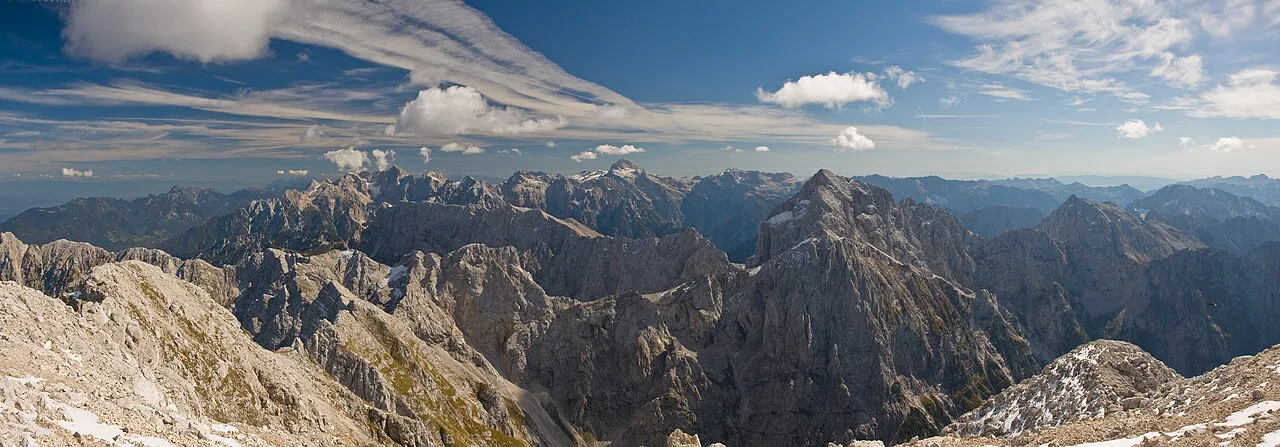
Think of the country as a diagonal band of mountains in the north and west, a limestone plateau running southwest toward the sea, and forested hills filling the south and southeast. The coast is a narrow strip between Italy and Croatia, with Koper, Izola and Piran strung along it. No single drive between these blocks takes a full day, which is what makes a nature-focused trip work.
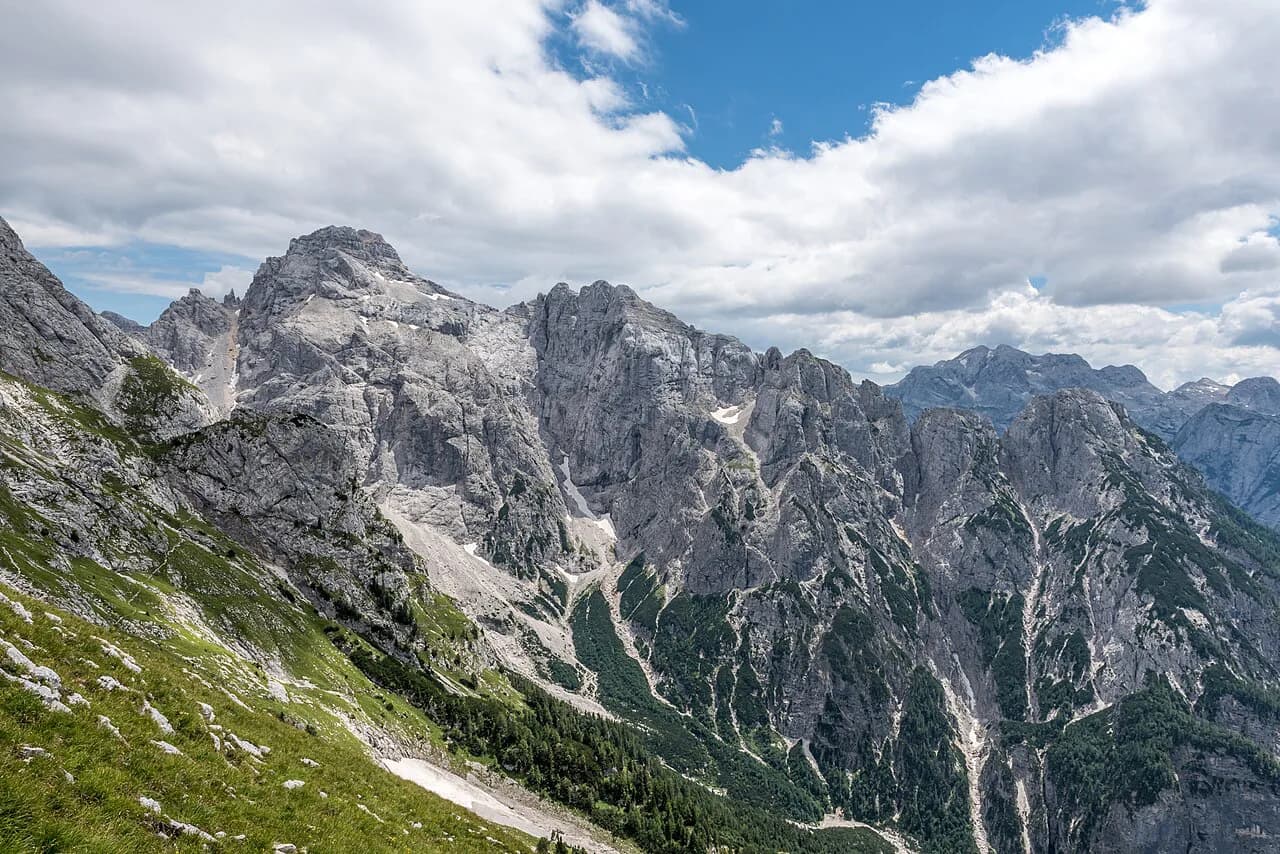
The Julian Alps above Lake Bohinj sit inside Triglav National Park, the protected area that governs the Bohinj side of the Julian Alps, including the Mostnica Gorge and Voje Waterfall. For how the country's protected areas are organized, see the guide to Slovenia National Parks, which also covers Triglav National Park.
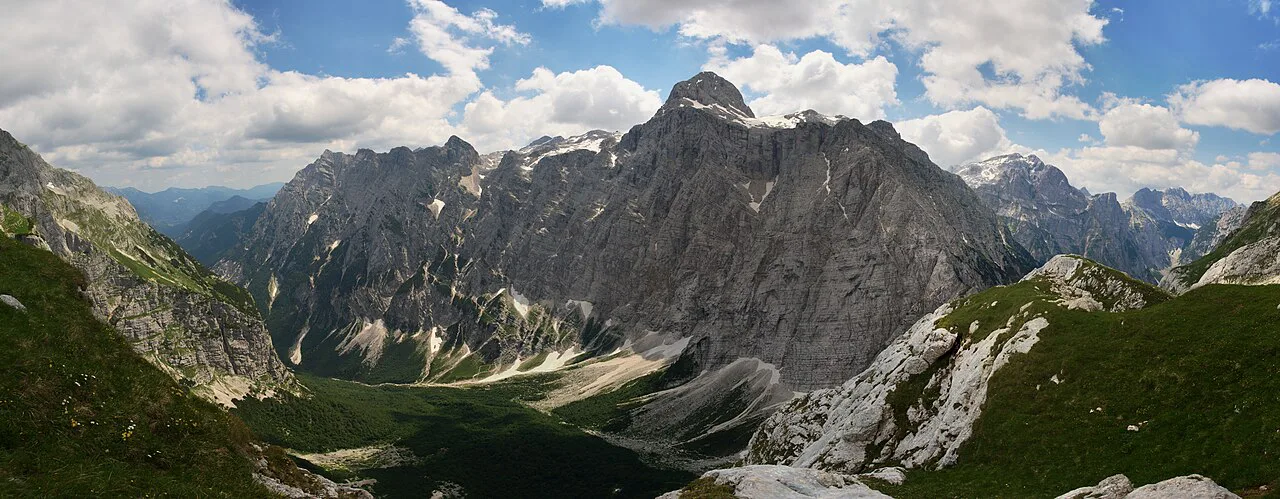
Lake Bled and Lake Bohinj: Two Glacial Lakes, Two Kinds of Visit
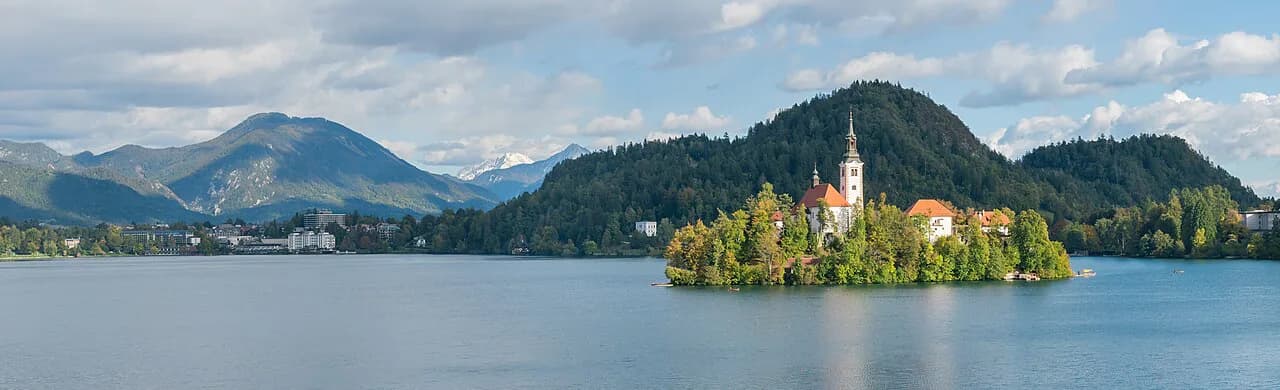
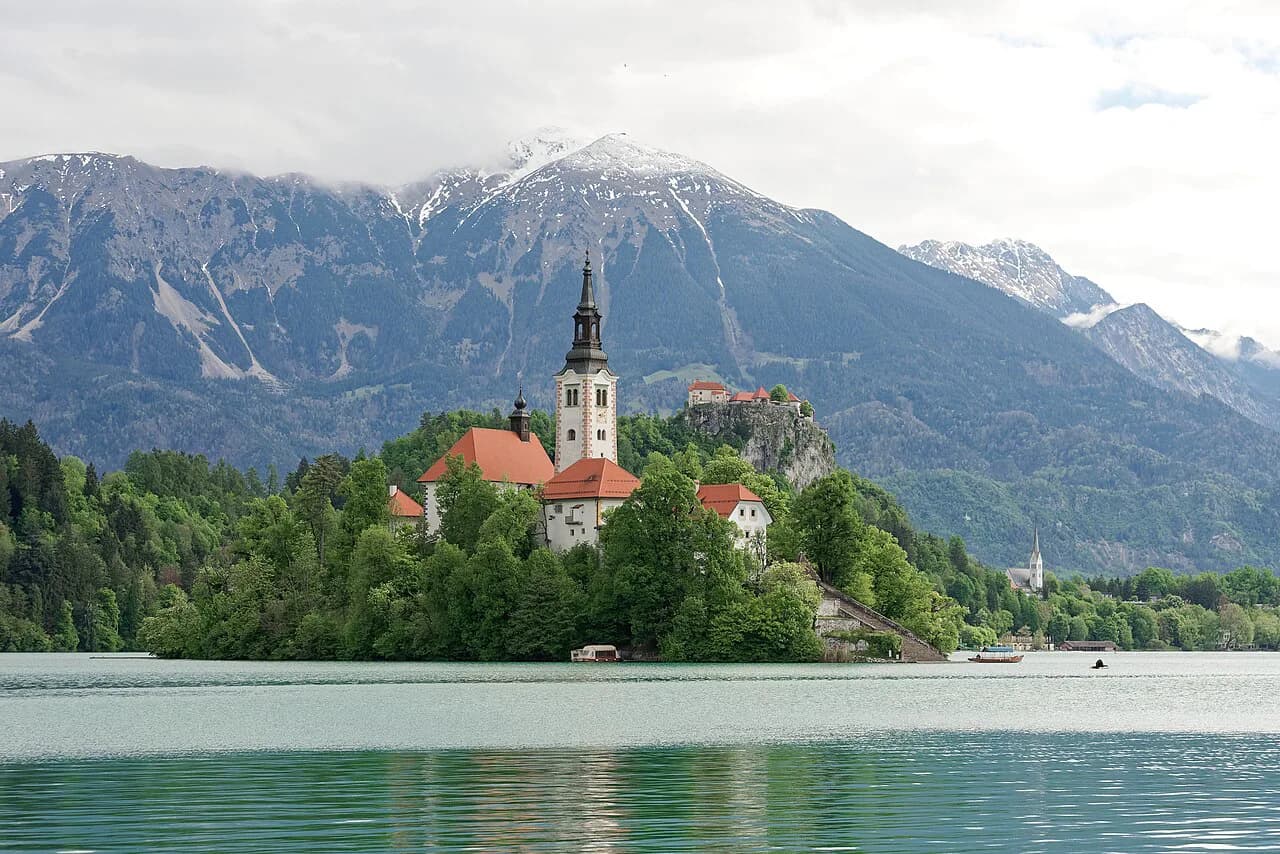
Both lakes sit in the Julian Alps, but they serve different purposes. Lake Bled has the island church, the cliff-top castle and a shoreline walk, and it functions as a structured stop where the sights sit close together. Lake Bohinj is longer and narrower, with Ribčev Laz at its eastern end and Stara Fužina inland from the shore, and it works better as a base for the surrounding valley.
If you have one lake day, choose by what you want to do afterward. Bled suits travelers who want buildings, viewpoints and a town around the water; Bohinj suits travelers heading on to the gorges, the waterfall or the cable car above the valley. The guide to Slovenia Lakes compares the two and covers lake arrangements around each. Whichever you pick, arrive early in summer, because parking near both lakes is the constraint that shapes the day.
Triglav National Park Around Bohinj: Mostnica Gorge and Voje Waterfall
The Mostnica Gorge and Voje Waterfall sit in the valley above Stara Fužina and are reached from the Bohinj side, which makes them the natural companion to a Lake Bohinj stay. The Mostnica Gorge Trail runs 5.5 kilometers, or 3.4 miles, and is rated easy. Plan the return leg and set aside a half day.
Access into Triglav National Park is managed, and the rules differ between entry points and seasons. Triglav National Park surrounds Lake Bohinj and the park's mountains rise directly above it. Read up on how the park is organized before fixing your days, because parking and access arrangements are what most often force a change of plan in July and August.
The wider national park holds more gorges and waterfalls than the Bohinj valley alone. If water features are the reason for your trip, this guide to Slovenia waterfalls helps you see which ones sit close to a road and which require a walk in. The comparison works the same way for Slovenia gorges: narrow gorge walks are short but often busy, and the quiet ones take more time to reach.
Going Underground: Postojna Cave, Škocjan Caves and the Karst
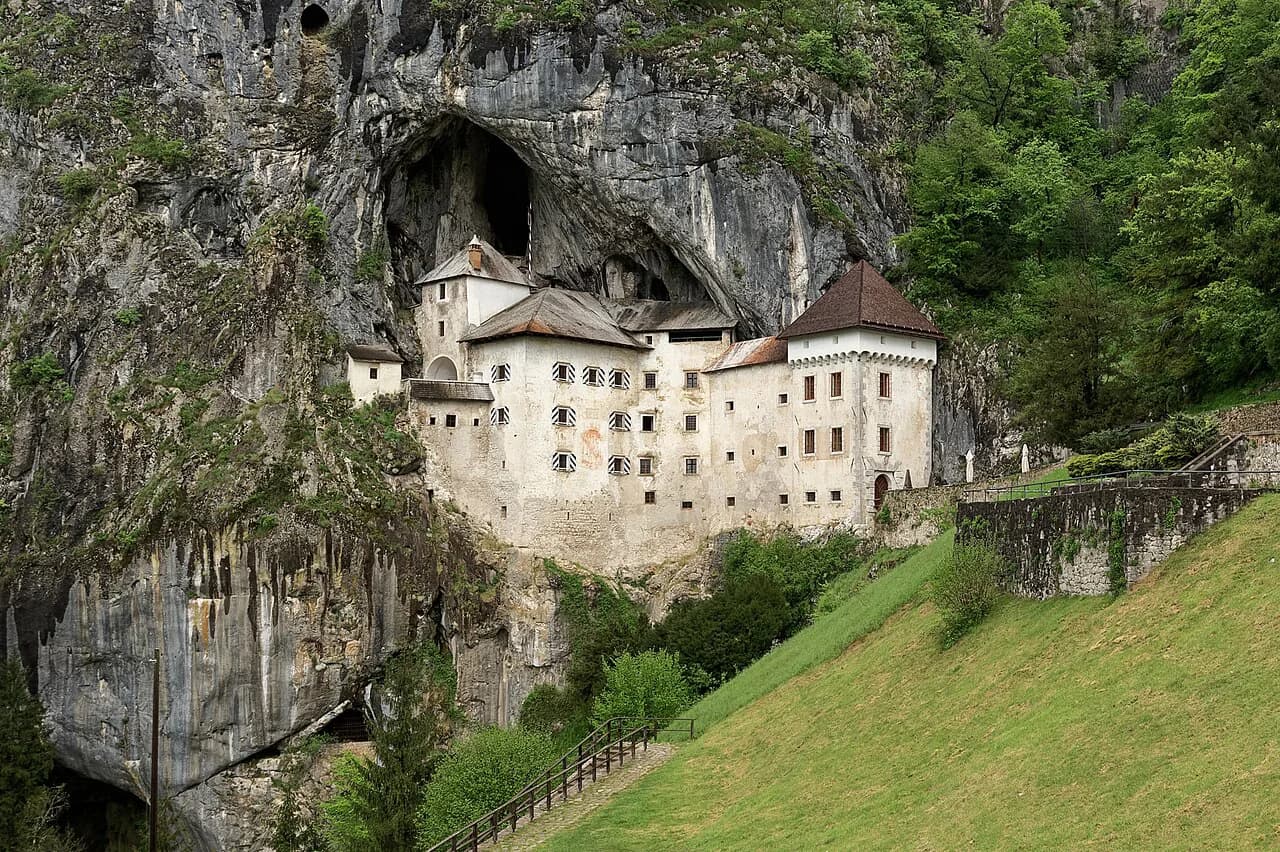
Slovenia's caves are the part of the trip you cannot improvise. Postojna Cave and the Škocjan Caves are the two major show caves in the southwest, and each is managed separately with its own tour arrangements. Treat them as fixed appointments and build the rest of the day around the cave visit you book. Because Predjama Castle stands close to Postojna Cave, the castles in Slovenia guide is a natural next read when you plan that day.
The landscape that produced them is the Karst plateau itself, the limestone country between Postojna, Sežana and the coast. Driving across it explains the caves: sinkholes, dry valleys and stone villages sit above the water that carved the passages. Our Slovenia caves guide covers the show caves and the smaller systems in the same region, including quieter alternatives to the two headline sites.
Smaller caves reward travelers who want to avoid the crowds. Kostanjeviška Cave, in the Dolenjska region along the Croatian border, is a low-key alternative to Postojna. It sits on a different route from the Karst show caves, so choose between them rather than trying to fit both into one day.
Kočevsko and the Southern Forests: Bears, Primeval Forest and Guided Watching
The forests around Kočevje are where a nature trip becomes a wildlife trip. The region is known as the Bear Forest, with the majority of Slovenia's bears described as living there, some 600 in one account and several hundred in another. Over 90 percent of the Kočevje area is covered with forest, and the Krokar Virgin Forest is recognized by UNESCO as a natural heritage site.
Wildlife here is watched with a guide, not found by chance on a drive. A guide leads visitors along the Roška trail through primeval forest to Lake Kočevje, the Željnske jame cave system and Rajhenavski Rog, where the silver firs include one known as the Queen of Rog. Observation happens from a hide at dusk, and patience is the method: quiet guests are described as very likely to see bears, with a second evening an option if the weather does not cooperate.
Plan at least one overnight in Kočevje rather than treating the forest as a day trip from the lakes. The observation evening ends after dusk, and a same-night drive back north makes little sense. The Kočevje guide covers the town as a base, and the bears in Slovenia page explains how observation is organized across the Dinaric Alps region.
Beyond bears, the southern forests hold wolves and lynx, and the Notranjska region is described as one of the few parts of Slovenia where bears, wolves and lynx share a single habitat. The white-tailed eagle is among the species recorded in Kočevsko. Sightings are never guaranteed, which is why the guided format matters: a guide reads tracks and knows where animals have been moving.
Lake Cerknica and Notranjska Regional Park: An Intermittent Lake
Lake Cerknica is an intermittent lake that fills and then dries up and disappears during the dry season. That behavior is the point of visiting: the same place looks like open water in one month and a flat meadow in another. Notranjska Regional Park manages the area, and the park museum explains the phenomenon.
Birdlife is the other reason to come. The lake's 230 species of birds make it a photography destination, and a guided photography tour is one way to work the light and the water levels. Bring binoculars even if you are not a birder, because the lake bed is large and the birds are often distant. A dry lake is a different visit from a full one, so plan around the season.
Cerknica sits between Ljubljana and the Kočevje forests, which makes it a natural stop on the drive south rather than a separate excursion. Combining the park museum with a short walk takes a few hours, and that fits before an evening bear observation.
Križna jama: A Guided Water Cave
Križna jama is the cave to choose if you want something other than a walkway. On a guided trip visitors paddle along a stream connecting subterranean emerald-colored lakes, passing the ancient bones of now-extinct cave bears in the side passages. Stalactite and stalagmite formations line the route. It is a water cave, so the visit centers on the water rather than a dry footpath.
This is a guided experience rather than a cave you wander into on your own. Because the visit centers on the water, check the arrangements in advance. The Slovenia caves guide places it alongside the other underground sites. For travelers based in Kočevje, it pairs naturally with a forest day.
The Soča Valley: Bovec, Kobarid and Tolmin
The Soča river runs through the far northwest, with Bovec, Kobarid and Tolmin spaced along the valley floor. The water is the attraction, and the Soča River Trail runs 25 kilometers at a moderate rating for those who want to follow it on foot. Most visitors use the towns as bases for a day on or beside the river.
The Soča valley connects to the Bohinj side of Triglav National Park over mountain roads, which is where seasonal constraints enter the plan. Alpine routes in this part of the world are the first thing to change when weather turns, so build a flexible day around the crossing rather than a tight schedule. Our guide to Slovenian rivers covers the Soča alongside the country's other main rivers.
Bovec, Kobarid and Tolmin each anchor a different stretch of the valley, and the drive between them is short enough to change base mid-trip. Kobarid sits closest to the upper river and its gorges; Tolmin sits lower, where the valley widens. Choose your base by which end you want to explore first, and keep one day unbooked for weather.
The Coast at Piran, Izola and Koper
The Adriatic strip adds salt air to a nature trip and takes very little time to cover. Piran, Izola and Koper sit within a short drive of each other, and each has a compact old town where you park outside and walk in. Piran has the most enclosed medieval street plan, Izola a fishing harbor, and Koper the largest of the three town centers.
The coast is best treated as a half-day bookend on the way to or from the Karst, since the show caves are inland from here and the plateau runs down toward the sea. Park once and move between towns on foot or by local transport rather than repositioning the car three times.
How to Link These Areas Without Long Driving Days
Two loops work well. The northern loop pairs Lake Bled or Lake Bohinj with Triglav National Park and the Soča valley, keeping you in the Alps for two or three days. The southern loop pairs Postojna Cave or the Škocjan Caves with Notranjska Regional Park, Lake Cerknica and the Kočevje forests, with the coast as an optional add at the end. Each loop has one fixed appointment per day and flexible scenery between them.
The pairing to avoid is the far south with the far northwest on consecutive days. Kočevje to Bovec crosses most of the country and leaves no time for the forest or the river at either end. If you want bears and the Soča in one trip, put the Karst or Ljubljana between them as a break rather than driving straight through.
A third option links the coast to the Karst caves, then north to the lakes via Ljubljana as a pass-through. That route trades depth for coverage, which suits a first visit with five or six days. If you have the time, the two-loop version gives each region a full day instead of half of one.
Guided Versus Self-Guided: Where a Tour Is the Only Practical Way In
Caves and bears are the two categories where a guide or a booked slot is the way in. Caves are visited on guided tours, and wildlife observation happens from hides with a guide who knows the animals' routines. The Kočevsko forest is best seen with a guide for exactly this reason: one scientist-photographer guide offers hiking tours, photography workshops and wildlife scouting, which is how the virgin forest and the animals become accessible in a short visit.
Lakes, gorges and the coast are the flexible side of the trip, while the Soča valley is best treated as its own base area. The constraint there is parking and timing rather than permission, so arrive early and keep the afternoon free for a second stop. Between the two modes, book the fixed experiences first and build the flexible days around them.
Organized walking and cycling trips cover the Alps and the lakes for travelers who prefer a set itinerary. Those packages handle logistics that would otherwise eat a day of planning. The Natural Adventure is a tour operator running Slovenia walking and cycling trips. If you go self-guided instead, expect to solve parking and tour slots yourself, which is the main trade-off.
Timing and Access Details to Check Before You Book
Three things shape a Slovenian nature itinerary: cave tours, mountain roads and seasonal access. A cave or guided wildlife booking runs to a set schedule, so a late arrival means a lost slot. Mountain roads in the Julian Alps can change with the weather, and boats on the lakes run only part of the year. Confirm arrangements with the operator or park before you build a day around them.
Lake Cerknica adds a further variable, because its water comes and goes with the season and a dry lake is a different visit. Wildlife watching depends on animals rather than schedules, which is why a second evening is offered when weather interferes.
The safest structure gives each fixed experience its own day and keeps the driving between regions on the shoulders. That way a single change of plan shifts one day rather than the whole trip. Confirm current details for tours, boats and road access with the operators directly before you commit.
Pick Your Two Regions and Book the Fixed Parts First
Choose two of the four blocks for a short trip: the Julian Alps, the Karst, the southern forests, or the coast. Within those, identify the fixed experiences first, whether that is a cave tour, a bear observation evening, or a water cave trip, and lock those dates before you choose where to sleep. Then fill the remaining days with lakes, gorges and coastal towns that need no reservation.
If you have one week, the Alpine north plus the Karst and Notranjska south gives you the best range: glacial lakes, a show cave, an intermittent lake and a chance at bears, with the coast as a half-day add. If you have four days, stay north and take the Soča valley and Bohinj gorges instead of crossing the country. Either way, the driving stays short and the fixed slots get the time they need.
Explore more Slovenia guides
Frequently Asked Questions
What wild animals live in Slovenia?
The forests of the south hold brown bears, wolves and lynx, and the Notranjska region is described as one of the few parts of the country where all three share a single habitat. Lake Cerknica's birdlife runs to 230 species, and Kočevsko also supports white-tailed eagles. Wild mammals are seen with a guide from a hide, not by chance on a drive, so plan an evening rather than a roadside stop.
How hot is Slovenia in summer?
Summer heat varies sharply by region, since the Julian Alps around Bohinj and the Soča valley sit well above the coast in both altitude and weather pattern. The coast at Piran and Koper is the warmest part of a nature itinerary, while mountain valleys cool at night. Any temperature figure you read is a typical average rather than a forecast, so check a forecast service close to your dates.
Sources
Notes for your Slovenia trip
Optional updates to our Slovenia place guides.
You might also like
Continue reading
More guides you'll find useful