Slovenia's UNESCO World Heritage Sites and How to Visit Them
Slovenia has five UNESCO World Heritage entries. See what each one is, where it sits outside Ljubljana, and what a visit actually involves.
On this page
Slovenia has five UNESCO World Heritage entries, and only one of them sits inside Ljubljana. The others spread across the Karst, the hills above the Soča, the Ljubljana Marshes south of the capital and two forest reserves in the south, so a single trip rarely covers them all. This guide names each entry, places it on a map of Slovenia, and explains what a visit involves, from timed cave tours to forest reserves with no visitor infrastructure.
Two entries are transnational: the pile dwellings around the Alps and the Carpathian beech forests, where Slovenia contributes specific components rather than a whole site. The Škocjan Caves stand on their own in the Karst, Idrija carries the mercury story, and Plečnik’s Ljubljana covers a set of city landmarks. Sorting the list this way helps you decide which entries fit a route through the Karst, the Soča valley, Lake Bled or the coast, and which ones sit too far off the path to reach on a short trip.
What Slovenia's UNESCO World Heritage entries are
The World Heritage list records five entries for Slovenia, and each one covers a different kind of heritage: a cave system, a mercury mining landscape, prehistoric pile dwellings, beech forest reserves and a set of architectural works in Ljubljana. Check the official country page before you plan around a site, since only the inscribed entries count.
Official Slovenian tourism material separates medieval castles and Roman ruins from the World Heritage entries and gives the Škocjan Caves their own place on the list, which confirms the cave system as the anchor site in the Karst. Use that framing when you build an itinerary, and treat each entry as a distinct stop with its own access arrangements rather than a box to tick on a single loop.
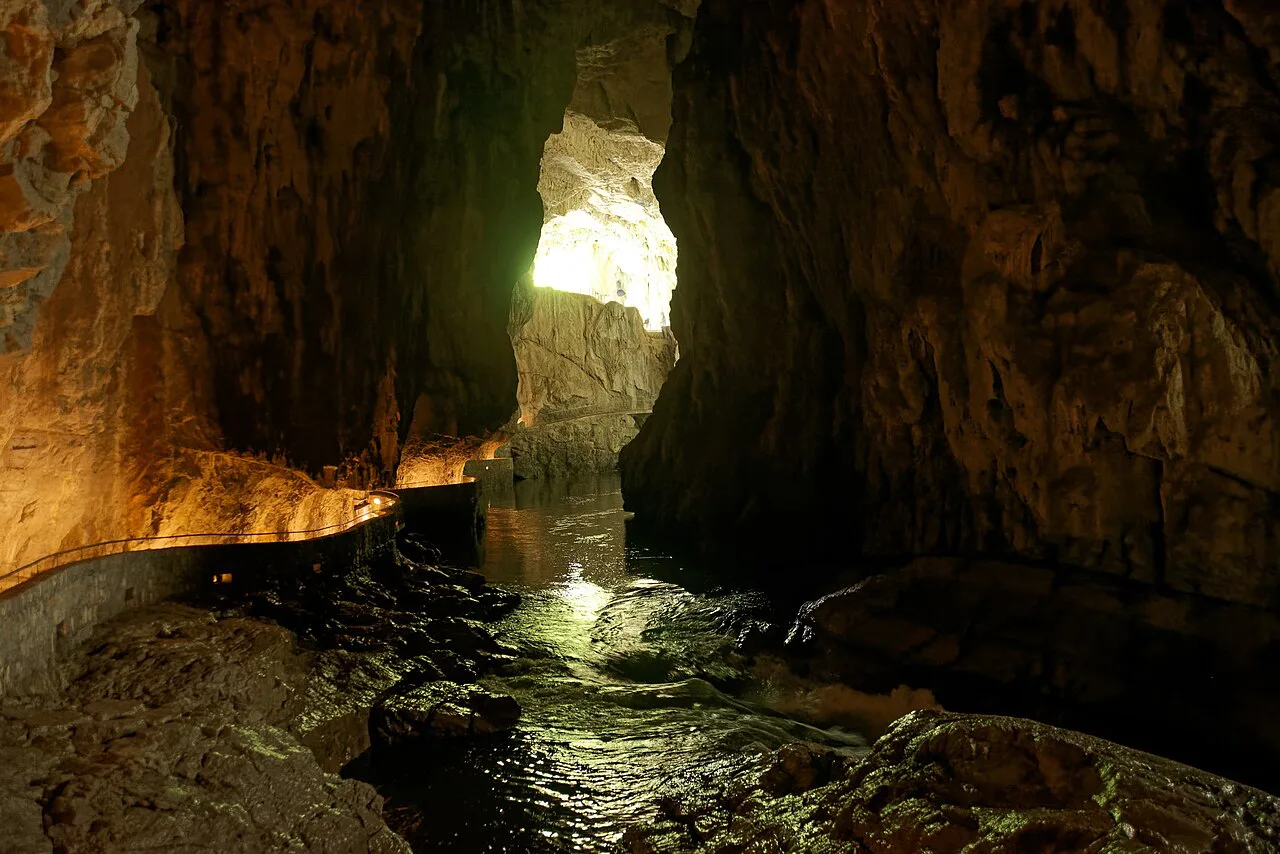
Škocjan Caves: the underground canyon in the Karst
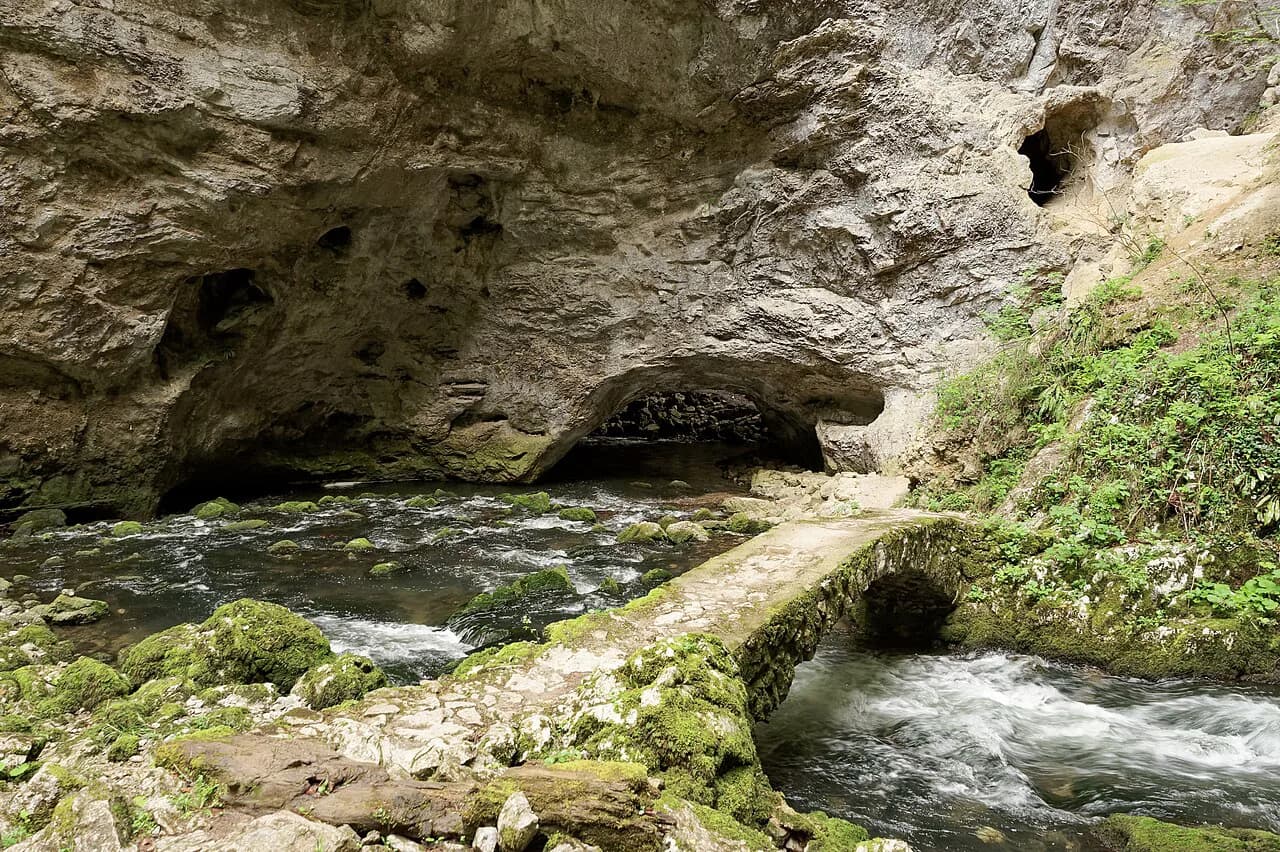
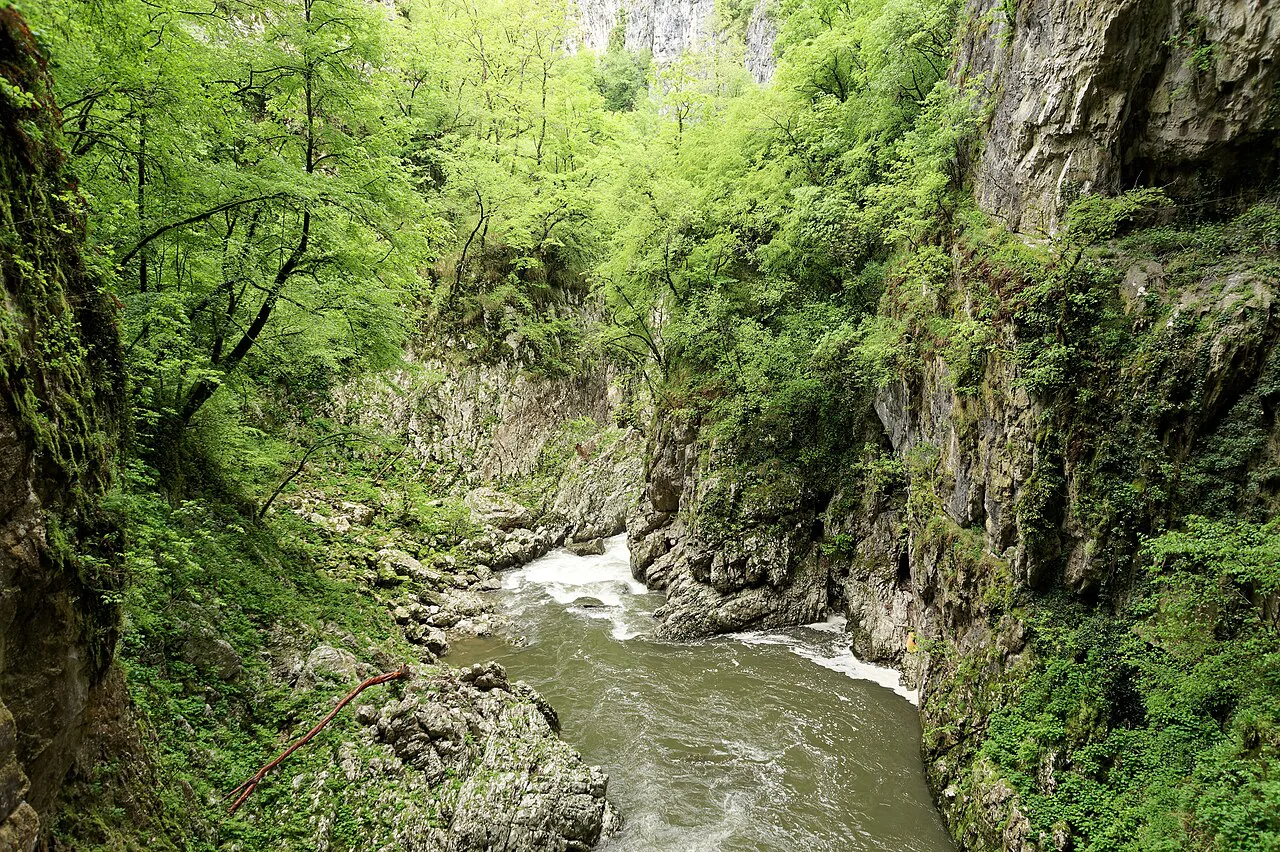
The Škocjan Caves are the entry most travelers can reach from the coast or Ljubljana in a single day, sitting in the Classical Karst region of southwestern Slovenia. Visits run as guided cave tours along a fixed route rather than as a self-guided walk, so build your day around a tour slot and leave slack for the drive and the walk from the parking area to the cave entrance.
Book the cave visit before you fix the rest of the day. Tour capacity is limited and the schedule changes with the season, so confirm the slot times and the ticket price in euros with the cave operator rather than relying on a tour reseller. The cave pairs naturally with the Karst villages and the coast, but the underground route itself is the reason to come, and it deserves a clear half-day rather than an hour squeezed between other stops.
Idrija: mercury heritage in the Soča hills
Idrija’s inscription covers the heritage of mercury, a transnational listing shared with the Almadén mining landscape in Spain, reflecting the mining and processing history that shaped the town in the hills of western Slovenia. The town’s museums and mine-related sites carry the story, and Idrija works as a stop on a route between Ljubljana and the Soča valley rather than a destination on its own.
Give Idrija a few hours: enough for the town center and one museum, not enough to justify a dedicated day from Lake Bled or Piran. If your route already runs toward Bovec, Kobarid or Tolmin, Idrija sits on the way and costs you little extra driving. Check opening days and admission at the individual museums before you commit, since small town museums often keep shorter hours than the bigger state institutions.
Prehistoric pile dwellings around the Alps: the Ljubljana Marshes and Ig
The pile dwellings around the Alps are a transnational Alpine listing, and Slovenia’s component is part of a shared archaeological story rather than a reconstructed village you walk through. Expect protected sites and museum exhibits, and set your expectations accordingly.
Because the pile dwelling sites sit close to Ljubljana, this entry fits a half-day around the capital rather than a separate trip. Travelers moving on to Lake Bled can see the marsh area on the way out of the city and keep the rest of the day for the lake.
The Carpathian beech forests: Krokar and Snežnik-Ždrocle
The Carpathian beech forest entry is another transnational listing, and Slovenia’s components include the Krokar and Snežnik-Ždrocle forest reserves in the southern part of the country. These are protected forest reserves, not visitor attractions with gates and tickets, so there is no tour to book and no entrance to queue for. The point of the listing is the forest itself, and access is on foot through the surrounding terrain.
Most travelers will treat this entry as background rather than a stop: the reserves sit far from the main Karst, coast, Bled and Soča circuits, and reaching them adds serious driving to a short trip. If your route passes through southern Slovenia, note the reserve names so you can match them on a map, and check local access and guidance on the ground before setting out. Otherwise, leave the beech forests to a longer trip.
Plečnik's Ljubljana: what is inscribed and what is not
Jože Plečnik’s Ljubljana landmarks joined the World Heritage list in 2021, following a decision adopted by the World Heritage Committee on 28 July 2021. The inscribed selection includes the Triple Bridge, Congress Square and Žale Cemetery, while Bežigrad Stadium falls outside the listing. If you are ticking off the entry, those three names are the ones to plan around, and all of them sit in the capital rather than in the countryside.
This is the one entry that belongs to a city break, so it fits awkwardly into a lake-and-Karst itinerary. Travelers who base themselves outside Ljubljana can still see the inscribed works on a transit stop, and the riverside setting around the Triple Bridge makes the walk between them straightforward. Plečnik’s Ljubljana is the only World Heritage entry on this list that you can cover on foot in a city center.
Which sites work as a day trip from Bled, Piran or Maribor
From Lake Bled, no World Heritage entry sits close by, so plan a full day with a car for the Škocjan Caves or Idrija and accept the drive. From Piran and the coast, the Škocjan Caves are the natural choice, with the Karst villages on the same loop. From Maribor, the eastern entries are the awkward ones: the beech forest reserves and the Ljubljana works both sit far to the south and west.
For travelers who would rather not drive, guided day trips from Ljubljana combine the Škocjan Caves with other Karst stops, and tour operators publish their own pickup points and inclusions. Compare what each tour actually covers before booking, because a listing that advertises UNESCO sites may only stop at one of them.
Match each entry to the time and transport you have: the Škocjan Caves and Idrija are the most straightforward from the roads most travelers use, while the pile dwellings need a marsh-side stop out of Ljubljana and the beech reserves reward a dedicated southern trip rather than a detour. Add Plečnik’s Ljubljana if you pass through the capital.
What the UNESCO listing does not include
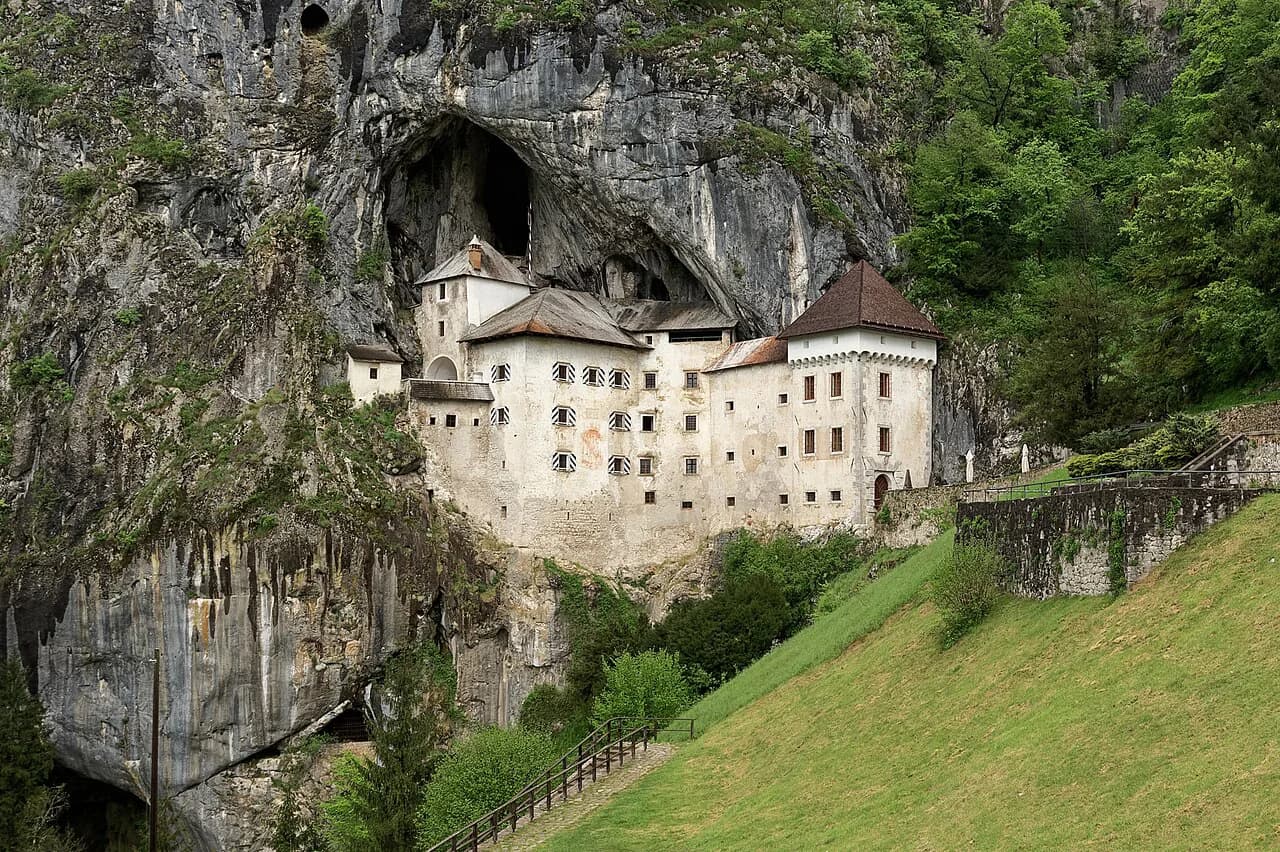
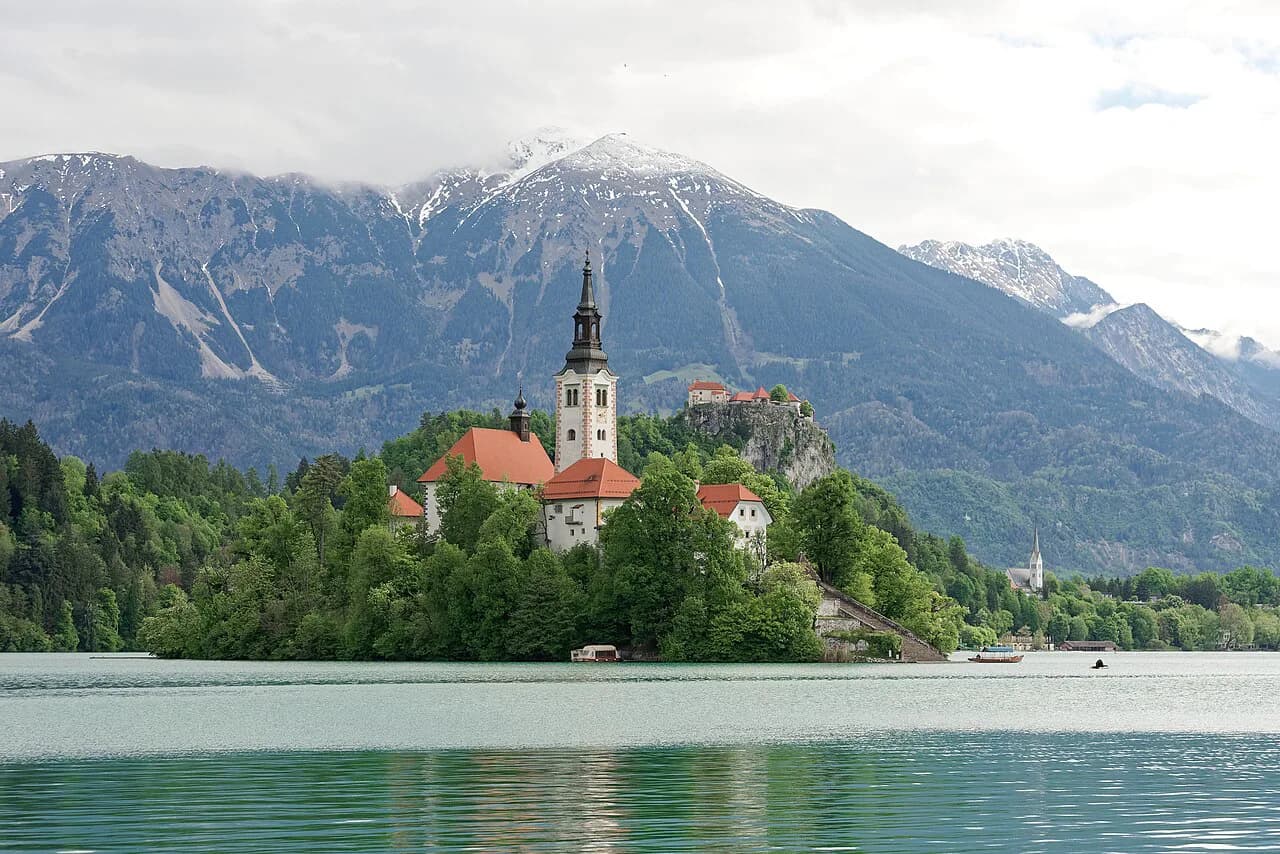
The list is short, and several places travelers associate with Slovenia do not appear on it: Predjama Castle, Lake Bled, Lake Bohinj, the Soča valley and the coastal towns are not World Heritage entries, however central they are to a Slovenian itinerary. Slovenia’s World Heritage tally is five entries, and a list that counts more is counting something else.
That distinction does not make the unlisted places less worth visiting, and a trip built only around inscribed sites would miss much of what draws people to the country. Treat the World Heritage list as a layer on top of a normal itinerary through the lakes, the Karst and the coast rather than as the itinerary itself.
Slovenia also keeps a separate list of sites proposed for future inscription, and those candidates are not World Heritage sites yet. Check the official country page for the current position before you plan a stop around a place you have read about as a candidate.
Timed entry, tours and how much time each site needs
Only some entries involve booking at all. The Škocjan Caves run guided tours on a fixed schedule, Plečnik’s Ljubljana works are city landmarks you approach on foot, and the pile dwelling sites and forest reserves have no single ticket desk. Budget half a day for the cave tour with travel, a few hours for Idrija, and an afternoon for the Ljubljana works if you want to see all three inscribed spots.
Prices, opening hours and tour slots change with the season, and the cave operator publishes them for each year. Confirm the figures on the official booking pages before you set a budget in euros, and keep a flexible half-day in the plan rather than stacking two bookings back to back.
Which entry should you build your route around?
Build the route around the Škocjan Caves if you have one day and a car, since the guided cave tour fits naturally with the Karst and the coast. Add Idrija if your route runs toward the Soča valley, and keep Plečnik's Ljubljana for a transit stop in the capital.
Leave the beech forest reserves and the pile dwelling sites for a longer trip or a second visit, and treat the World Heritage list as one layer of a Slovenian itinerary rather than its outline. For context on the towns and history behind these sites, the wider guides to Slovenian towns and Slovenian history fill in the background.
Explore more Slovenia guides
Frequently Asked Questions
How many UNESCO World Heritage sites does Slovenia have?
Slovenia has five World Heritage entries. Two are transnational: the pile dwellings around the Alps and the Carpathian beech forests, where Slovenia contributes specific components. The other three are the Škocjan Caves, the mercury heritage of Idrija and Plečnik’s Ljubljana landmarks.
Are the Škocjan Caves a walk-in viewpoint?
No. The caves are visited as a guided underground tour on a fixed route, so plan around a tour slot rather than arriving and wandering in. Confirm the current slot times and ticket prices in euros with the cave operator before you travel.
Which entry is closest to Lake Bled?
None of the five entries sits beside Lake Bled. The Škocjan Caves and Idrija both require a substantial drive, so treat either as a full day with a car rather than a quick side trip from the lake.
Sources
Notes for your Slovenia trip
Optional updates to our Slovenia place guides.
You might also like
Continue reading
More guides you'll find useful