Things to Do in Slovenia: Lakes, Caves, Coast and Old Towns
Plan what to see in Slovenia outside Ljubljana: Lake Bled and Bohinj, the Soča valley, Postojna and Škocjan caves, Predjama Castle, Piran and Maribor.
On this page
The shortlist for a Slovenia trip outside Ljubljana is Lake Bled and its island church, Lake Bohinj, the Soča valley around Bovec, Kobarid and Tolmin, Postojna Cave paired with Predjama Castle, the Škocjan Caves, the coast towns of Piran, Koper and Izola, and Maribor with Ptuj. Slovenia covers 20,273 square kilometers and holds just over two million people, so these stops sit close together even though they feel like different countries.
This guide is organized by region and by access rather than as a ranked list, because the drive between stops shapes what you can fit into a day. Each section covers what the place is, how it is laid out, roughly how long it needs and the constraint most likely to trip you up, from timed cave tours to mountain roads that close with the weather. Ljubljana appears only as a reference point for orientation.
How Slovenia's Regions Fit Together
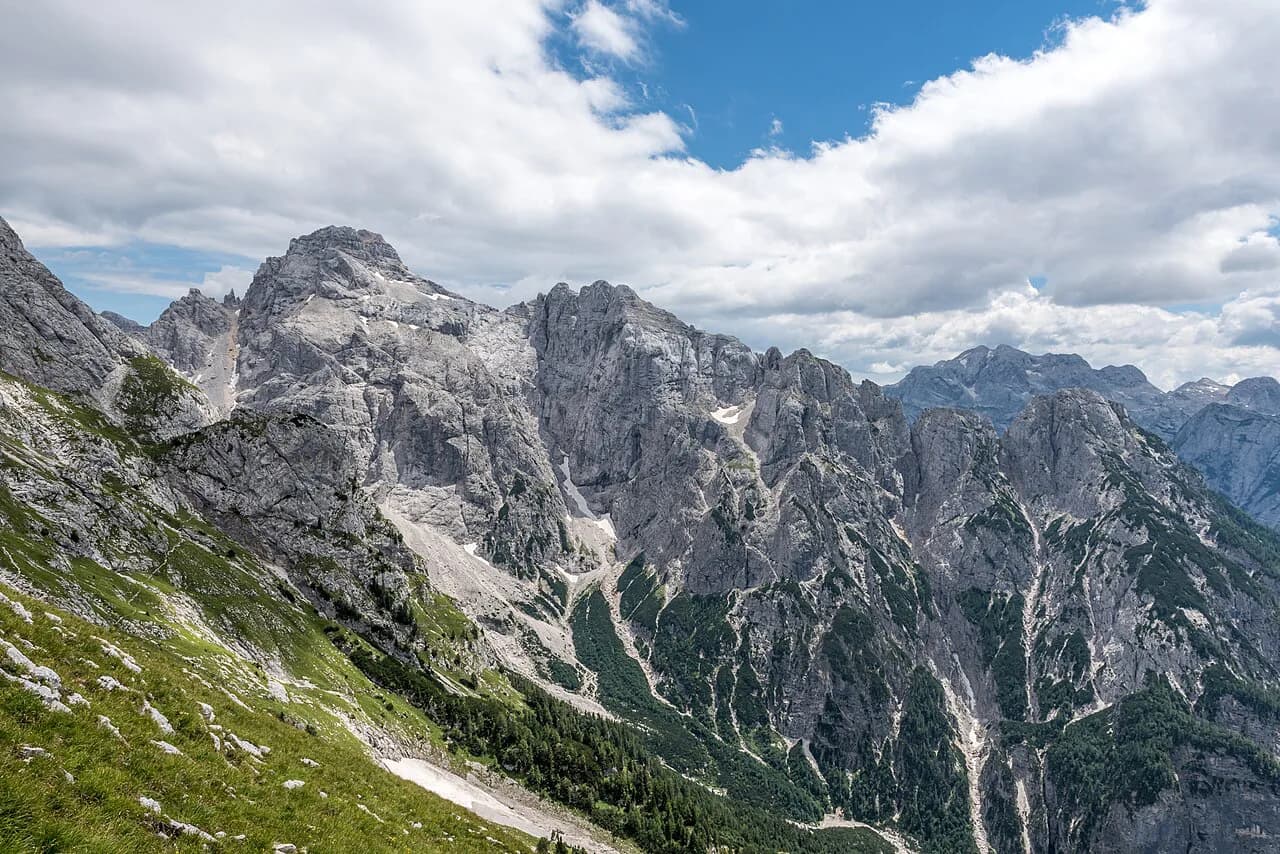
Alpine Slovenia runs along the northern and western edges: Bled and Bohinj sit in the Julian Alps near Kranjska Gora, and the Soča valley continues west toward the Italian border. Karst Slovenia lies southwest of Ljubljana, where Postojna, Predjama and the Škocjan Caves cluster within a short drive of each other.
The Adriatic coast is a thin 47-kilometer strip of Slovenian shoreline built around three main towns, Koper, Piran and Izola, so all three can be visited from one base in a single day. Maribor and Ptuj sit in the northeast along the Drava, far from the coast but close to each other.
Grouping stops this way means a lake day and a cave day are usually separate outings rather than one loop, and the coast works best as its own leg instead of a detour from the Alps. A road trip suits Slovenia because the distances are short, which makes a car the most flexible way to link these clusters.
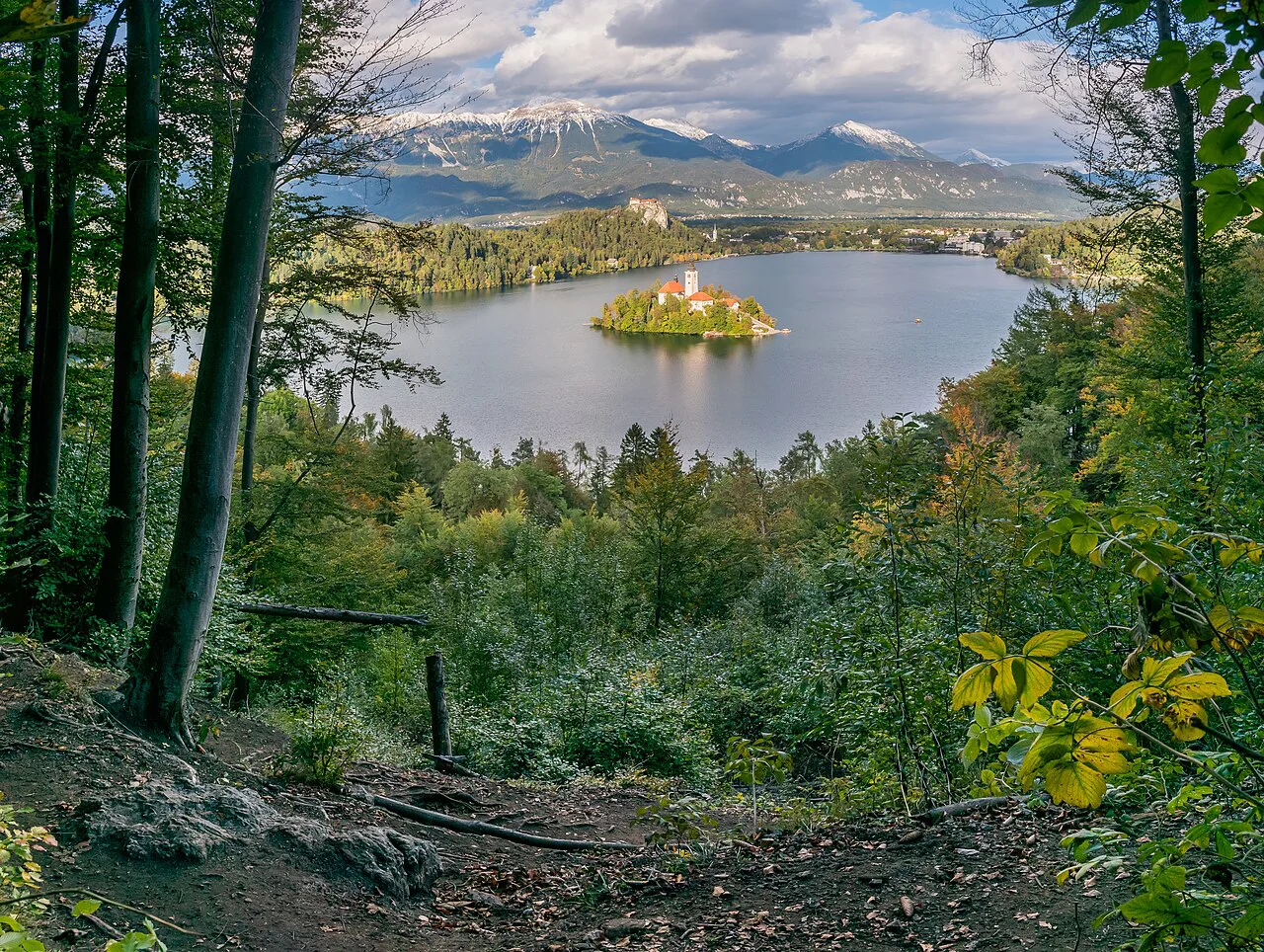
Lake Bled: The Island, the Castle and the Shore
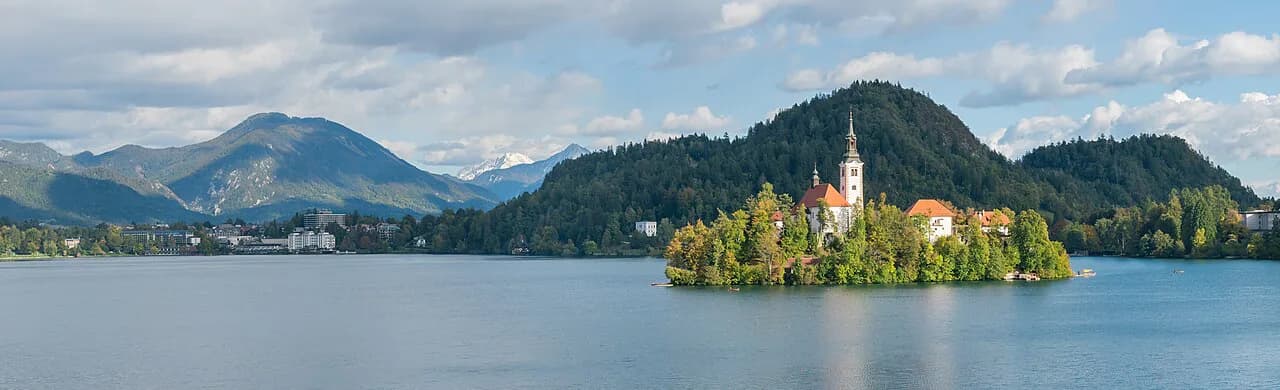
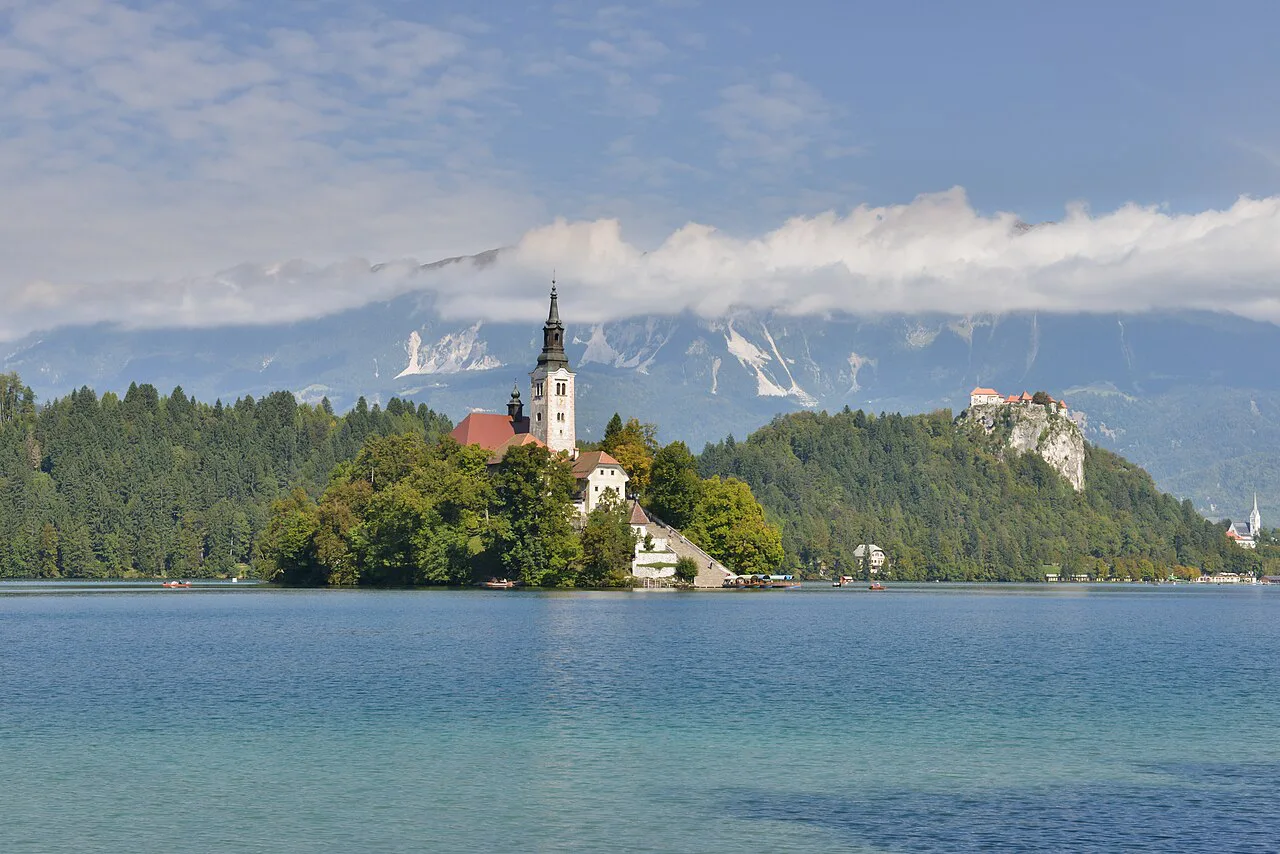
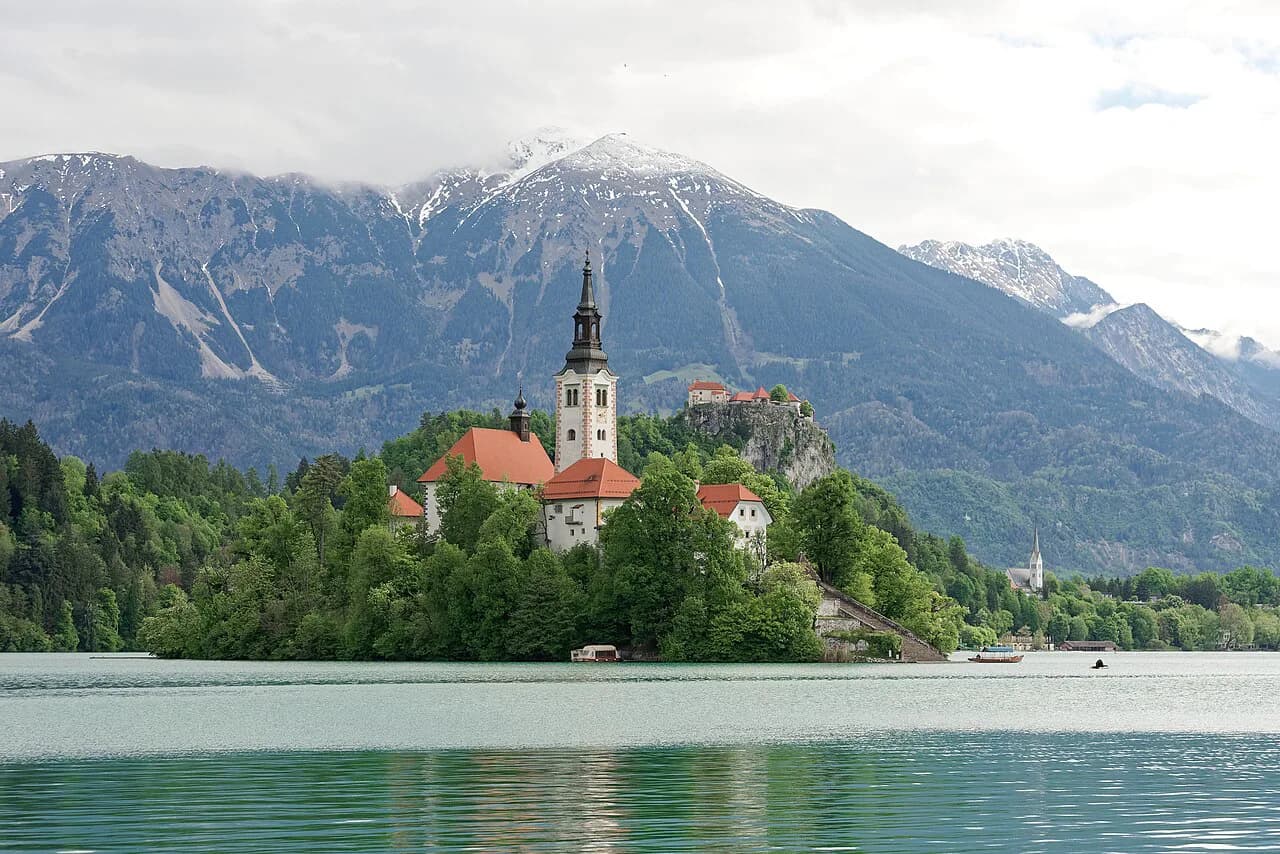
Lake Bled is a turquoise glacial lake with a small island in the middle holding a church, and the spa town of Bled sits on its shore. The classic visit splits into three pieces: the lakeside path, the island church reached by boat, and Bled Castle on its cliff above the water with a view down over the lake.
Bled Castle also holds a printing press where a demonstration on hand-made paper uses historical blocks and lead letters, which gives the castle stop more substance than the viewpoint alone. Budget roughly half a day for the lake, island and castle combined, and add time if you want to swim, since the lake can warm to around 25°C in summer.
The island church is the reason most people rent a wooden boat, and rowing out yourself is the common approach rather than joining an organized crossing. Summer is the pinch point here: the lake and the roads around it fill up, and parking near the shore becomes the practical limit on your day.
If you would rather have a guide handle the logistics, packaged options include Lake Bled excursions that combine the lake with other stops. Boats and lakeside services run seasonally, so confirm what is operating for your dates before you build the day around the water.
Lake Bohinj and Ribčev Laz
Lake Bohinj lies south of Bled inside Triglav National Park, with the village of Ribčev Laz at its eastern end and Stara Fužina nearby. It is the quieter counterpart to Bled: a long, narrow lake backed by steep slopes, with a shoreline path and far less development around the water.
The Vogel cable car above the lake is the standard way to gain height quickly, and the Zelenci Nature Reserve near Kranjska Gora makes a good add-on if you are driving that way. A half day covers the lakeshore and Ribčev Laz comfortably; a full day lets you ride up and walk part of the shore without hurrying.
Cable car operations follow a season, so treat the ride as a plan to verify rather than a fixed fixture. Parking in Ribčev Laz and around the lake is limited in summer, and arriving early is the simplest defense.
The Soča Valley: Bovec, Kobarid and Tolmin
The Soča valley runs west from the Julian Alps through Bovec, Kobarid and Tolmin, following a river known for its color and for the adventure sports based around Bovec. Rafting, kayaking and biking all operate from the valley, and the river itself is the anchor for most visits.
Tolmin Gorge is a short, contained stop and pairs easily with the town of Tolmin, while Kobarid is a small town where the streets have changed little. Give the valley a full day at minimum, and two if you want time on the water plus a gorge.
The Vršič Pass is the high road linking this valley with Kranjska Gora, and it is a mountain pass whose access depends on the season and conditions. Check the road status before you commit to crossing it, and have the lower valley route as a fallback.
Postojna Cave: The Train and the Timed Tour
Postojna Cave is a 24,120-meter cave system entered by a train ride of about two kilometers that carries visitors into the chambers before the walking portion begins. That train is the defining part of the visit, so plan your arrival around a tour slot rather than treating the cave as a drop-in sight.
Tours run on a schedule, which means the cave sets your day's timing and everything else fits around it. Inside, temperatures stay low year-round, so a layer matters more here than on the coast.
Because the cave is the fixed point, book or confirm your slot before arranging the rest of the Karst day, and leave slack either side for the drive and for parking. That single decision prevents the most common Postojna mistake, which is arriving without a place on a tour.
Predjama Castle, Paired With Postojna
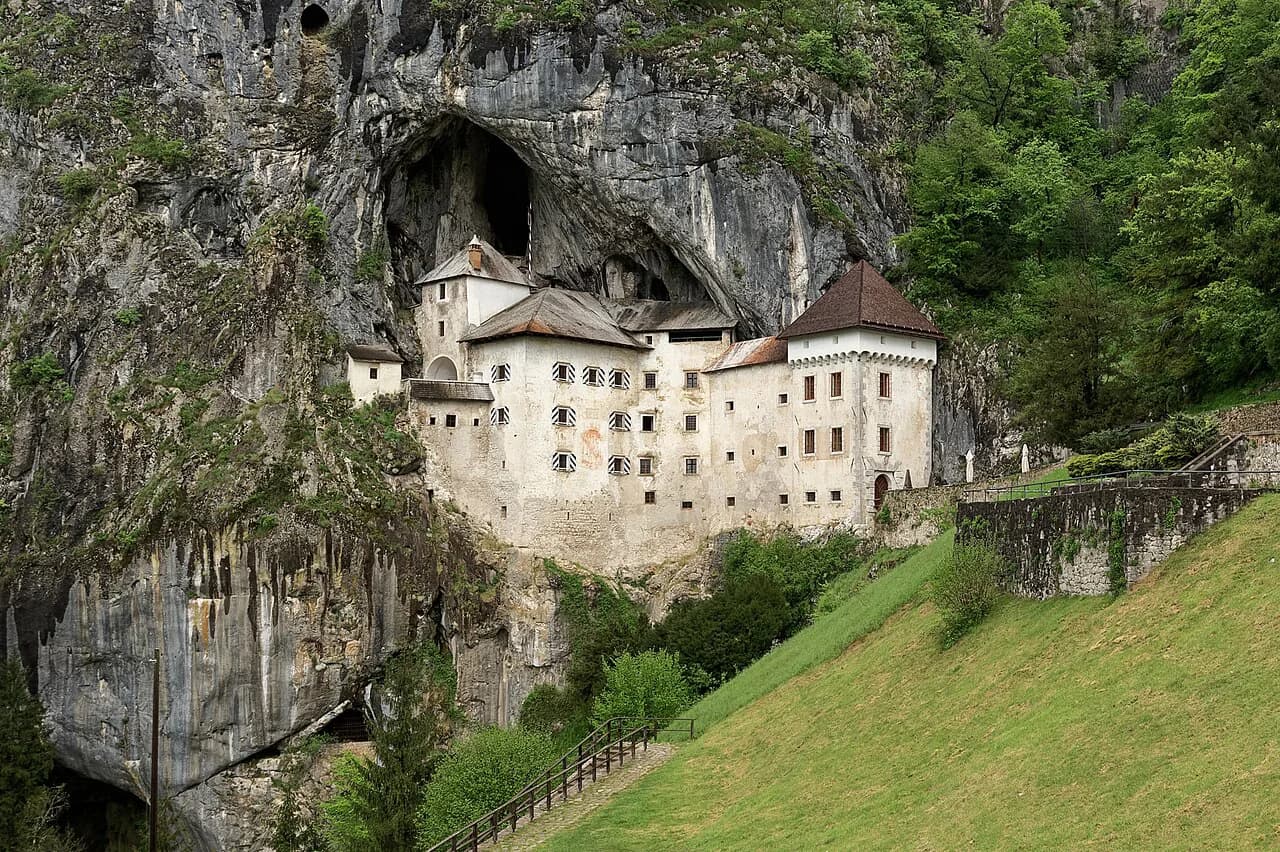
Predjama Castle is built into a cave mouth in a cliff face, and it sits close enough to Postojna Cave that the two are usually visited together. The castle is a cave castle rather than a lakeside or hilltop ruin, and the setting is the reason to go.
Treat the pair as one Karst day: cave tour first if your slot is fixed, castle after, or the reverse if that fits the schedule better. Each stop takes a couple of hours including the approach, so the combination fills a day without feeling rushed.
Predjama is a castle interior with its own visitor arrangements, so confirm its opening for your date when you lock in the cave tour. Building both around a single confirmed slot keeps the day simple.
The Škocjan Caves and the Karst Villages
The Škocjan Caves are a separate cave system in the Karst region, with a vast collapsed doline and a walk that follows the river through the gorge. They suit a different kind of day than Postojna: fewer people treat it as a quick stop, and the visit is more about walking through the landscape than riding through it.
Plan Škocjan as its own outing rather than an add-on to Postojna, because the two are formatted differently and cramming both into one afternoon shortchanges each. If you want the heritage context behind the caves, see the guide to Slovenia's UNESCO Sites.
The surrounding Karst villages reward a slow drive between cave visits, with stone hamlets and a landscape that looks nothing like the alpine north. Allow a full day if you want the cave walk plus time in the villages.
The Coast: Piran, Koper and Izola
Piran is the coast's old-town showpiece, built densely around a small harbor with narrow lanes climbing to a church and a wall with sea views. Koper has the larger working town feel around its old center, and Izola sits between the two with a fishing-town character.
The three towns differ in layout and pace: Piran is compact and best on foot, Koper spreads out from its old core, and Izola is small enough for a short wander. One day covers all three if you move between them by car or bus, but Piran alone can absorb a half day.
Parking is the constraint on this coast, since the old towns have limited space and summer traffic concentrates on the same short stretch of road. Park once at the edge of a town and walk in rather than circling the center.
Maribor and Ptuj: The Drava and Old-Town Streets
Maribor is the main city of the northeast, with an old town along the Drava and streets that make for an easy half-day walk. Ptuj sits a short drive away and is the smaller, older-feeling town of the pair, with a compact center that suits a couple of hours.
The two work as a single leg of a trip, with Maribor as the base for the old town and riverfront and Ptuj as the slower counterpoint. Set aside a full day for both, or a day and a half if you want time in Maribor's museums.
This region sits well away from the Alps and the coast, so it fits a route that runs east rather than a day trip from Bled. Pair it with Slovenia towns such as Ptuj and the smaller centers when you plan that leg.
Smaller Old Towns Worth a Stop
Škofja Loka, west of Ljubljana, has a preserved old center around its square and Capuchin Bridge, and it takes only a couple of hours to see on foot. Idrija to the west is a mining town with a lacemaking tradition and a technical heritage that ties into the country's industrial past, and its history is worth reading before you arrive.
Kranjska Gora is a mountain town near the Vršič Pass and the Zelenci Nature Reserve, useful as a base for the northwestern lakes and passes. Nova Gorica sits on the Italian border in the west, close to the Gorizia side and within reach of the Soča valley.
These towns work as half-day stops threaded between bigger sights rather than destinations of their own, and each rewards an hour or two of walking. Check what is open in each before making one the fixed point of a day, since small-town sights keep limited hours outside summer.
Getting Between These Places
A car is the most practical way to connect the lakes, the caves, the valley and the coast, because the stops are short distances apart but poorly served by direct public transport between them. The country is easy to drive across, which is why a road trip is the usual approach.
Bus and train cover the main towns, but they make the cave and valley days slower and less flexible. If you rely on them, build each day around one cluster and accept that you will not combine, say, Bohinj and the coast in a single day.
Parking rules and local access shape more plans than distance does, especially at Bled, Bohinj and the coastal old towns. Decide where you will leave the car before you decide what you will see, and the day falls into place.
Where Crowds and Seasons Change the Plan
Summer concentrates everyone at Bled, Bohinj and the coast at once, and the result is full parking areas and slow roads rather than closed attractions. The obvious fix is to start early and to keep the most crowded lake for a weekday.
Cave tours, mountain passes, boats and cable cars each run to their own calendar, and none of them can be assumed to be operating on a given date. The Vršič Pass, the Vogel cable car and Bled's boats all fall into this category, so verify each before you build an itinerary around it.
For country-level orientation on transport and costs when you plan the wider trip, a general Slovenia destination page can point you toward the main practical topics. It is a starting point, not a substitute for confirming a specific cave slot, cable car or pass crossing for your dates.
Which Stops Go Into Your Route
Build the trip around three or four stops rather than the full list: one lake, one cave day, one valley or coast leg, and one old town. A three-day trip realistically holds Bled with Bohinj, a Karst day of Postojna and Predjama, and either the Soča valley or Piran, but not both.
Whatever you choose, anchor each day on the one thing with a schedule, whether that is a cave tour slot, a cable car or a pass crossing, and let the lakes and towns fill in around it. Confirm the operating details for your dates before you book anything that depends on them.
Explore more Slovenia guides
Frequently Asked Questions
How long does it take to drive through Slovenia?
Slovenia is small enough that the main clusters of Bled and Bohinj, the Karst caves and the coast sit within a few hours of each other, so driving across the country is a matter of hours rather than a full day. The time that actually matters is the drive between individual stops on your list, which is short but not always on fast roads.
Is Bled or Ljubljana a better base for these sights?
If your priorities are the lakes, the Soča valley, the caves and the coast, a base at Bled or Bohinj cuts driving time to the Alps, while a Karst base near Postojna suits the cave days better. Ljubljana is central and works as an orientation point, but this guide treats the country outside it as the destination.
Can I see Postojna Cave and the Škocjan Caves on the same day?
They are close enough geographically, but they are formatted differently and both involve timed visits. Treating them as two separate days gives each one proper time, and pairing Postojna with Predjama Castle is the more natural single-day combination.
Sources
Notes for your Slovenia trip
Optional updates to our Slovenia place guides.
You might also like
Continue reading
More guides you'll find useful