Gorizia and Nova Gorica: Two Towns, One Shared Square
Nova Gorica and Gorizia meet at Trg Evrope, the square split by the Italian-Slovenian border. Here is what each side holds and how to walk between them.
On this page
Gorizia and Nova Gorica are best treated as one stop, not two. Their squares meet at Trg Evrope (Europe Square), a square shared by both towns, and the historic centers sit about five minutes apart on foot. This guide covers where the border runs across that square, what each side looks like, and how to split a half day between them.
Plan for two different streetscapes within a few minutes of each other. Gorizia keeps a medieval castle, narrow old-town streets and 19th-century villas, while Nova Gorica shows the concrete residential blocks of its planned construction. Crossing between them means walking, or taking the cross-border bus if your legs or luggage argue otherwise.
Why the two towns read as one place
Until the 20th century this was a single urban area, and the postwar border cut through it. The frontier split one of Gorizia's principal squares in half, and the division was marked by the so-called Wall of Gorizia. Families who had shared streets, shops and bars suddenly needed a passport to meet. That shared past is why the two towns behave like one place for a visitor: cross a few yards of pavement and the language, the architecture and the street signs change.
The contrast is the reason to come. Gorizia reads as an old Austrian-Italian town with a castle and villas; Nova Gorica reads as a mid-century planned town with wide squares and concrete blocks. Set aside one half day and you get both landscapes without a train ride between them.
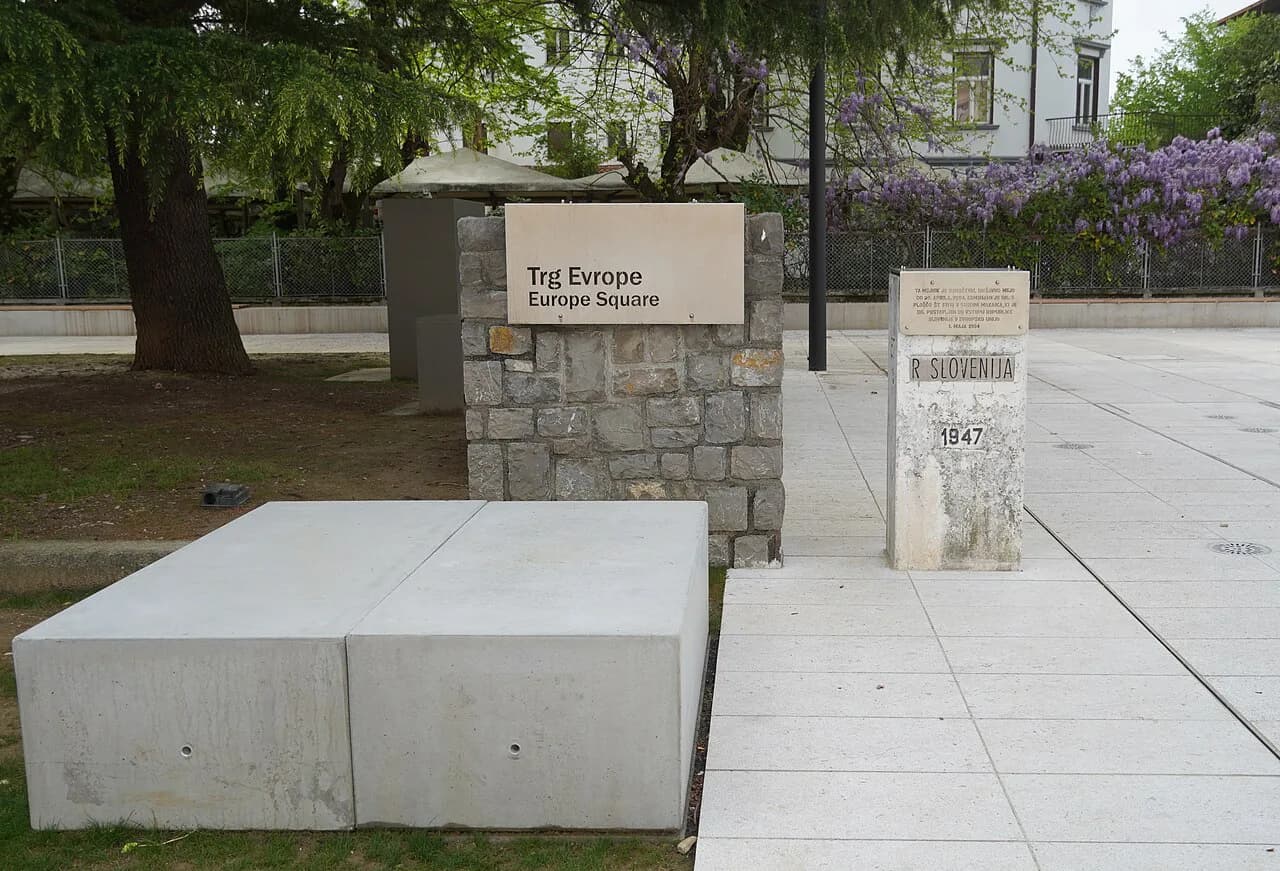
Trg Evrope (Europe Square): where the border runs
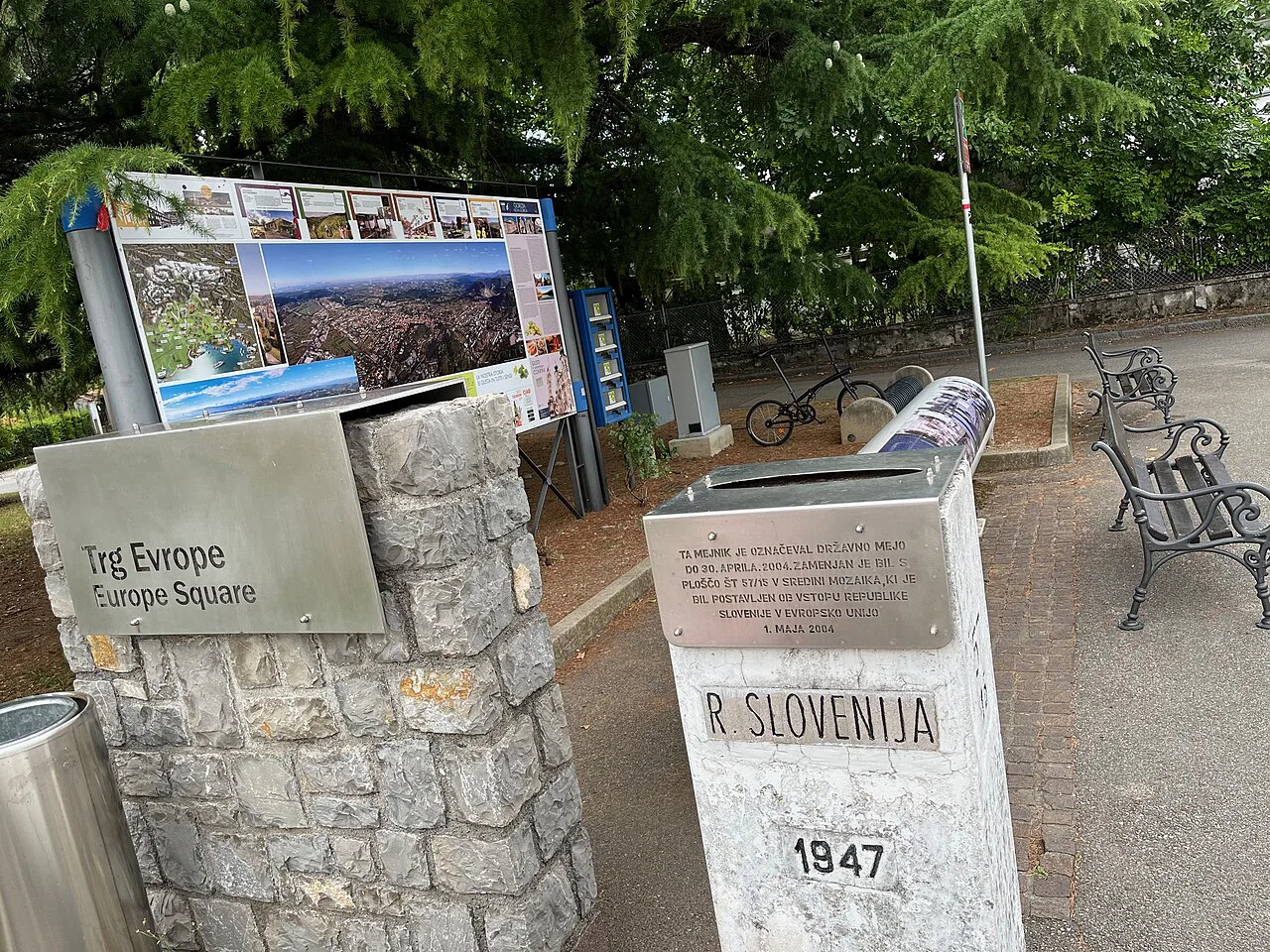
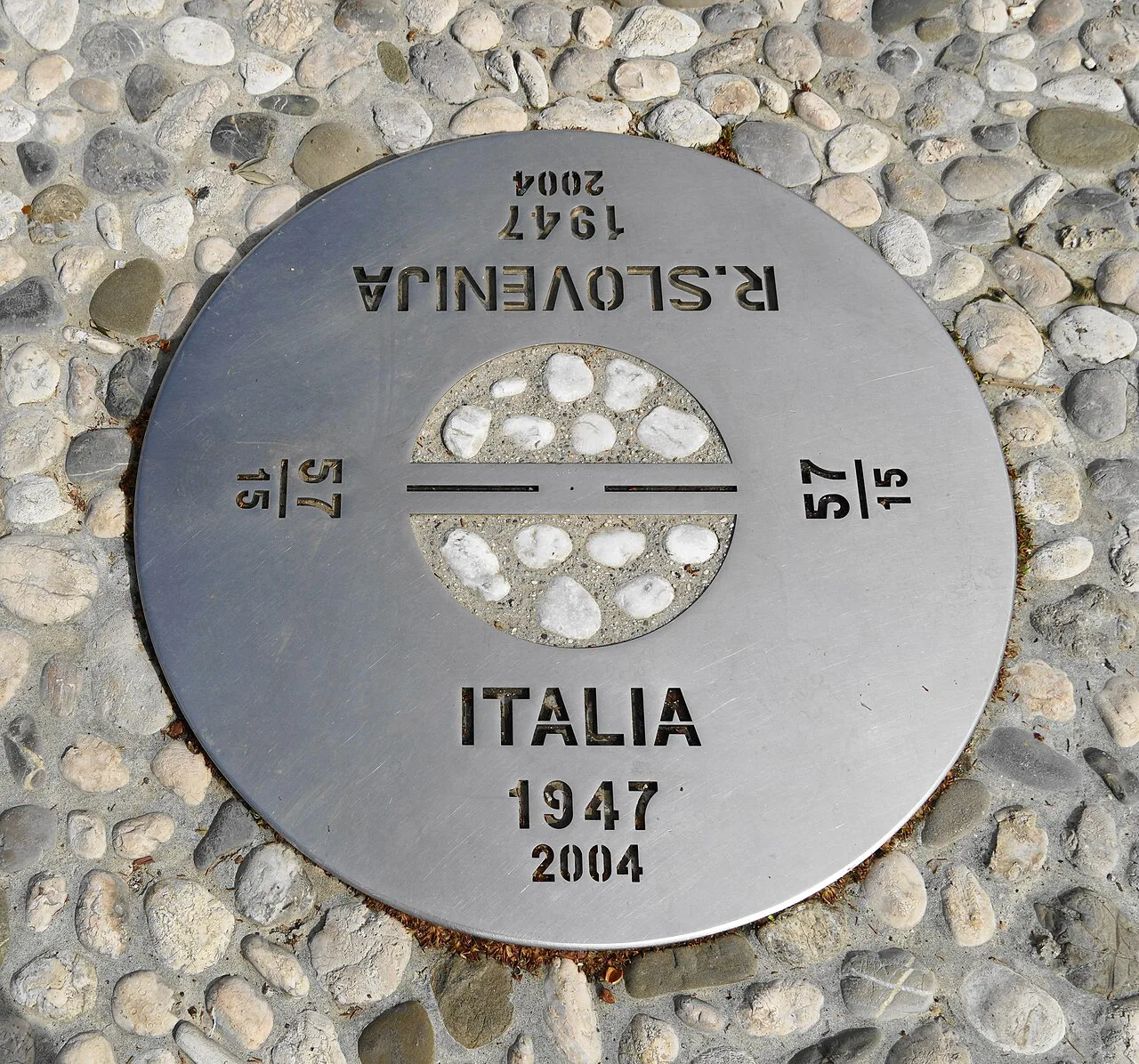
Trg Evrope is the hinge of the visit. The square marks the contemporary Italian-Slovenian border, and an inscription carved on the ground reminds passersby of its historical role. Under the 2025 European Capital of Culture, Trg Evrope served as the center of the action for cross-border events, and the square remains the shared point where both towns' streets meet. Walk to the middle, look down, and you are standing on the line itself.
Come early in the day if you want the paving to yourself for photos, and use the square as your orientation point, because the Slovenian train station sits a short walk away on the Nova Gorica side.
What you see on the Slovenian side
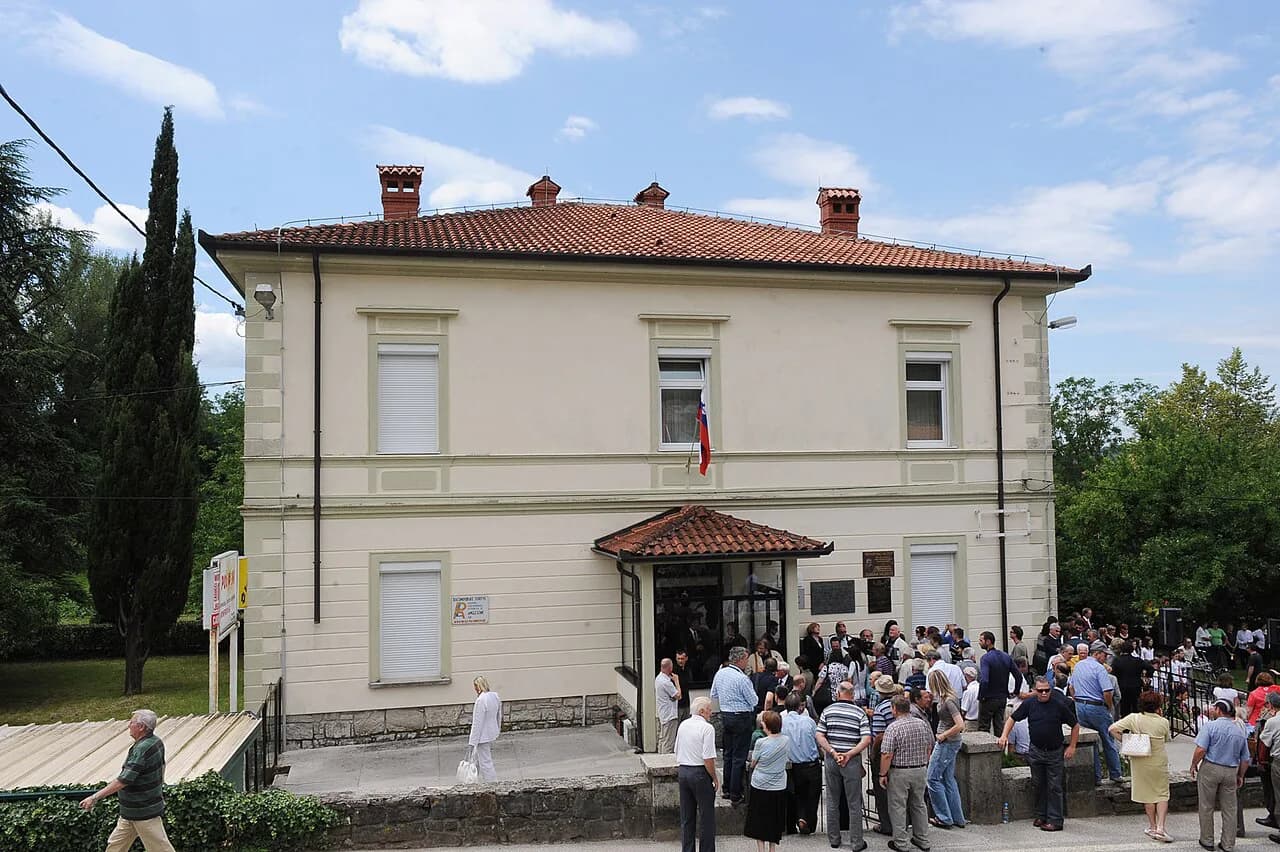
Nova Gorica was built as a new town after the war, and its center shows that origin plainly: concrete residential blocks in a socialist utilitarian style around open squares. The center is compact and easy to read on foot, and the buildings reward a slow walk rather than a checklist. The railway station carries its own marker of the period, a red star on the roof.
The wider guide to Nova Gorica covers the sights around the center and the surrounding area, useful for readers who want to linger on the Slovenian side.
One project from the culture year dug into what the town might have been. The Shining Invisible City project, organized by MoTA, the Museum of Transitional Art, revisited the original design by the architect Ravnikar and the ways political changes altered it, presented through an exhibition and an on-site intervention. The 2025 program is over, so treat this as context for reading the streets rather than a fixture of your visit.
What you see on the Italian side
Gorizia gives you the older town. A medieval castle, narrow little streets in the center and 19th-century villas testify to the region's layered history, and the scale is small enough to wander without a map. This is where you linger over a coffee and a slow lunch rather than tick off sights.
The Italian side also holds the approach to the shared square and the older street grid around it, so come here first if you like to start a cross-border walk in the old town and finish among the concrete blocks. Buses toward Nova Gorica leave from Corso Italia in Gorizia, which puts you close to the historic center before you cross.
Walking between the two centers
The two centers sit about five minutes apart on foot, with Nova Gorica just a short walk from the middle of Gorizia. That single fact should shape your day: you do not need a vehicle, a timetable or a plan for two separate trips. Wear shoes you can walk in and let the square be the midpoint of a loop that starts on one side and ends on the other.
Walking also lets you notice the shift in buildings and paving that a bus ride skips. If you are based on the Slovenian side, cross on foot to Gorizia for lunch and walk back through Trg Evrope, keeping to the square where the two towns meet.
The cross-border bus from Gorizia
When walking does not suit, APT Gorizia runs a bus from Gorizia Corso Italia to Nova Gorica station, with a journey time of around 6 minutes. The same route is listed at roughly every two hours, with tickets quoted at €2–3, and Nomago also services the corridor. These figures come from a transport aggregator rather than the operators' own timetables, so confirm departure times on the day, as schedules and fares change.
A two-hourly frequency is fine for a planned crossing but poor for spontaneous hopping, so decide which mode suits your day. If you want to move between the two sides more than once, walking is the more flexible choice. Keep the bus in mind mainly for arrival and departure with bags.
The 2025 European Capital of Culture year
Nova Gorica and Gorizia held the European Capital of Culture title jointly in 2025 under the slogan GO! BORDERLESS, after being selected together with a joint bid in December 2020. The program was built around cross-border cooperation, with Europe, Share and Green as its keywords. Trg Evrope served as the center of the happening, and the year brought more than 600 cultural events and over 60 projects to the border region.
The year is finished, so do not build an itinerary around it. The lasting value for a visitor is the way the title reframed the border square and the two towns as a single destination, which is exactly how they work on the ground. Read the square and the streets with that in mind, then spend your hours on the places that are there year-round.
A realistic half day across the border
Start in Gorizia with the castle and the old lanes, then walk down to Trg Evrope and read the ground inscription before crossing. Give the Nova Gorica side the middle of the day: the planned center, the residential blocks, and a look at the station with the red star. Finish with a slow coffee on whichever side matches your onward route. That sequence runs with the geography and keeps the walking short.
If you have a full day, linger longer in Gorizia's center or walk back through Trg Evrope for a slower look at Nova Gorica's squares. Resist scheduling both towns as separate half days; the five-minute walk means the overhead of switching is almost nil, and you will see more by treating them as one.
Where Nova Gorica sits for onward trips
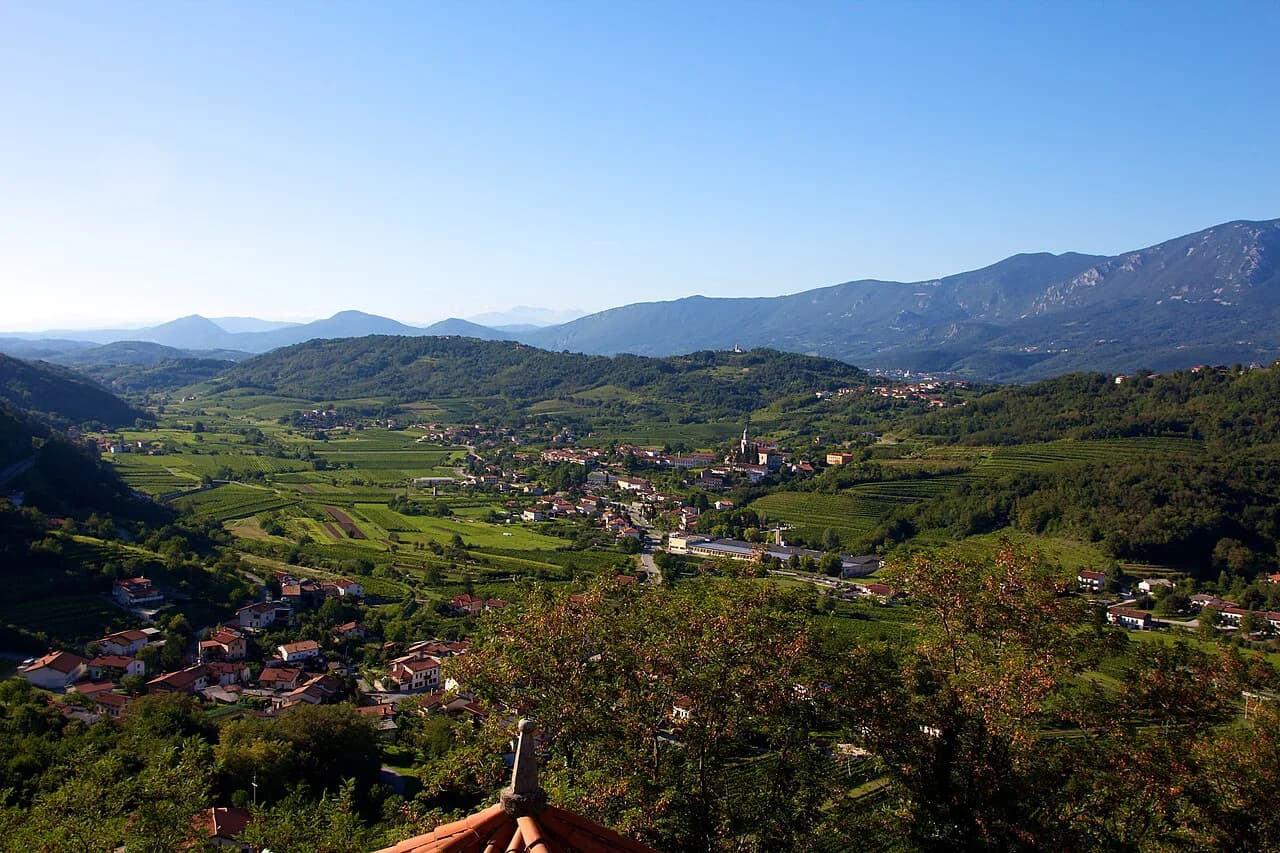
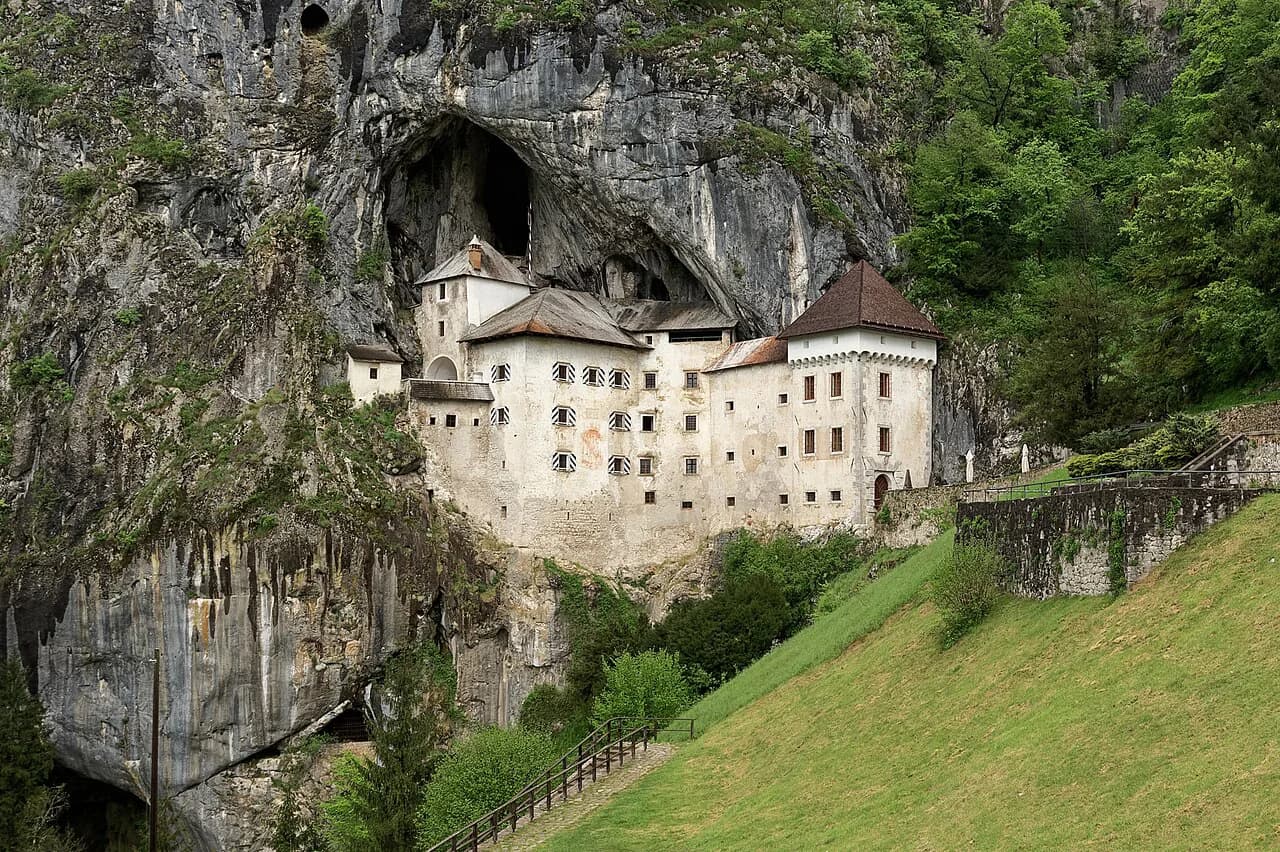
Nova Gorica makes a practical base for the Goriška region, with the Vipava valley and its villages within reach for a day out. Vipavski Križ and Rihemberk Castle are the kinds of stops that pair with a slow drive through the valley, and the towns are close enough to combine. Plan the driving yourself and check the roads on the day.
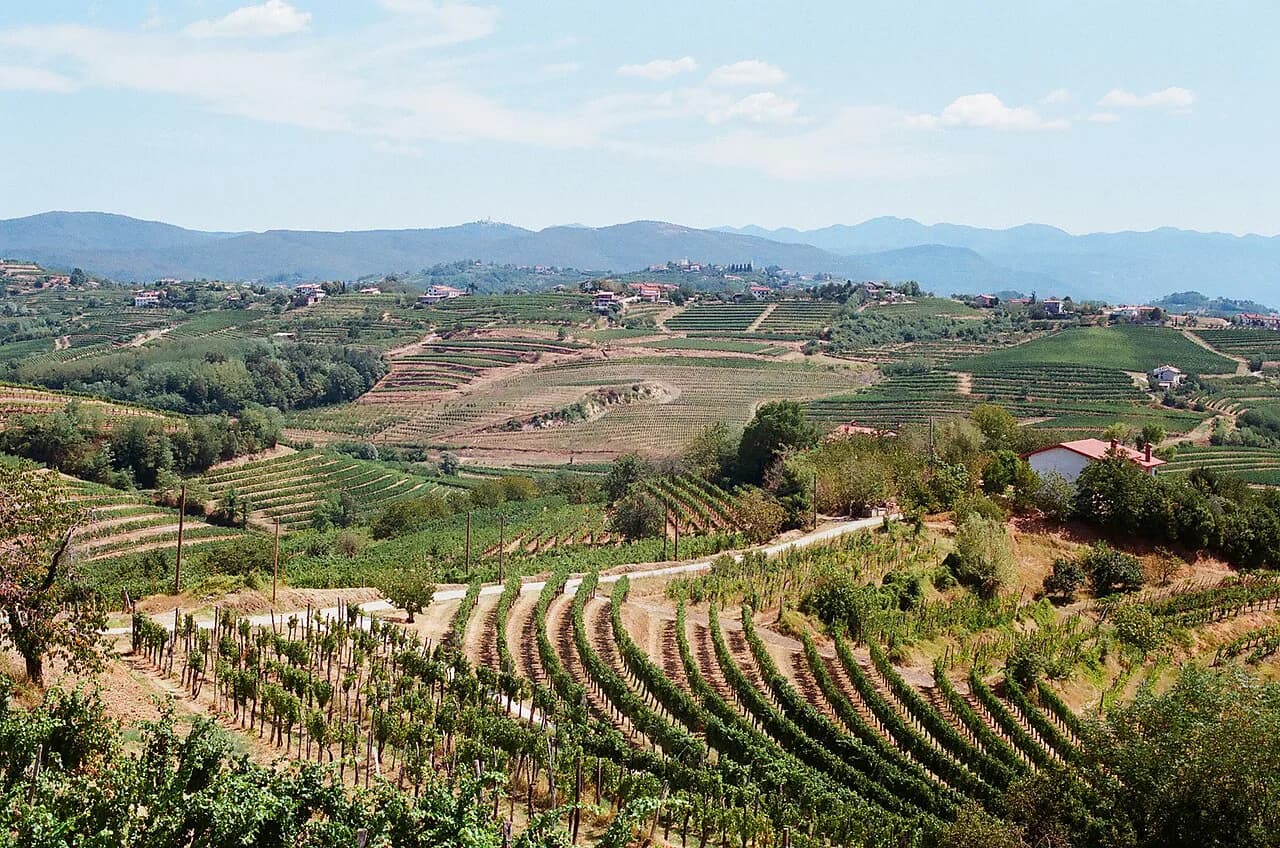
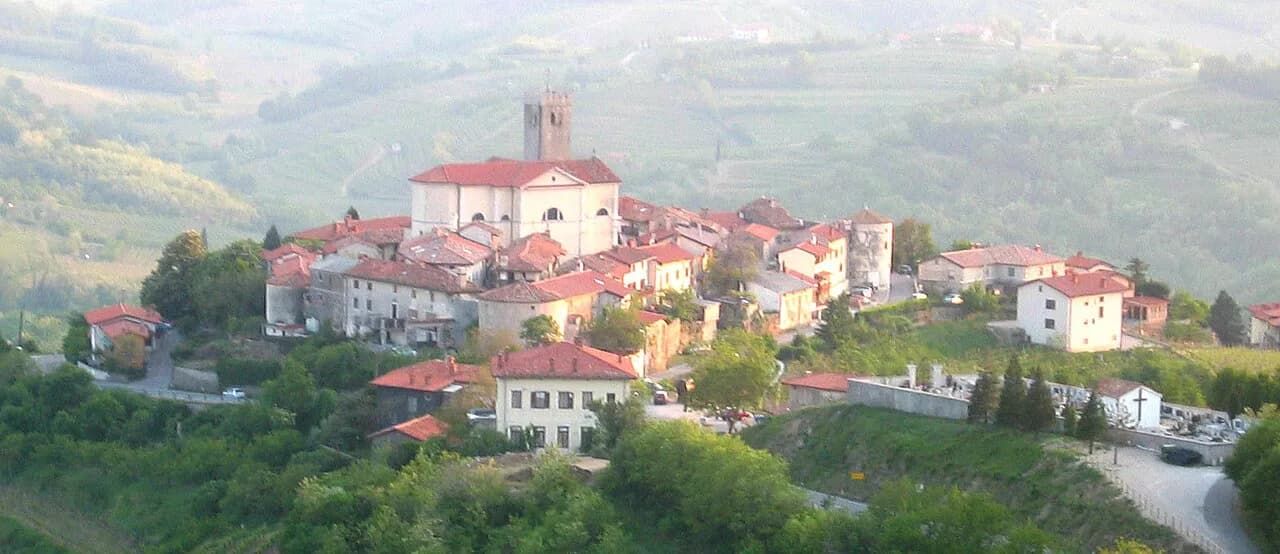
North of the border towns, the wine hills of Goriška Brda climb toward the Italian line, with Dobrovo Castle and the clustered village of Šmartno as anchors for a half day. Both reward a car and a relaxed pace rather than a strict schedule.
One half day, two countries, one square
Build the half day around Trg Evrope rather than around either town alone. Walk the old lanes and castle in Gorizia, cross the shared square, and finish among Nova Gorica's concrete blocks and wide squares; the whole loop fits comfortably into a morning or afternoon. The bus from Corso Italia covers the same ground in around 6 minutes if you would rather ride.
Check the current bus timetable with the operator before you rely on a departure, since the aggregator's figures are a snapshot. Otherwise, the plan needs little preparation: comfortable shoes, a rough sense of which side you want for lunch, and time to stand on the line itself.
Explore more Nova Gorica guides
Sources
Notes for your Slovenia trip
Optional updates to our Slovenia place guides.
You might also like
Continue reading
More guides you'll find useful