Krofi: What Slovenian Carnival Doughnuts Are and How They're Made
Krofi are Slovenian yeast doughnuts fried in oil and filled with apricot jam, chocolate or vanilla cream. Here is what goes into them and how they are made.
On this page
Krofi are Slovenian doughnuts made from a yeast dough, fried in oil, then filled and dusted with powdered sugar. They belong to the Carnival season, known in Slovenia as pust, and they turn up on tables alongside other fried pastries. This guide covers what goes into a krof, how the dough is handled, how the frying works and where krofi sit among the wider range of Slovenian desserts.
The details below follow published recipes rather than a home test, so treat the kneading, rising and frying times as the recipe's own instructions. Where it matters, the sequence is spelled out: how long the dough rests, how the balls are shaped and which side goes into the oil first.
What krofi are: yeast dough, fried in oil, filled and dusted
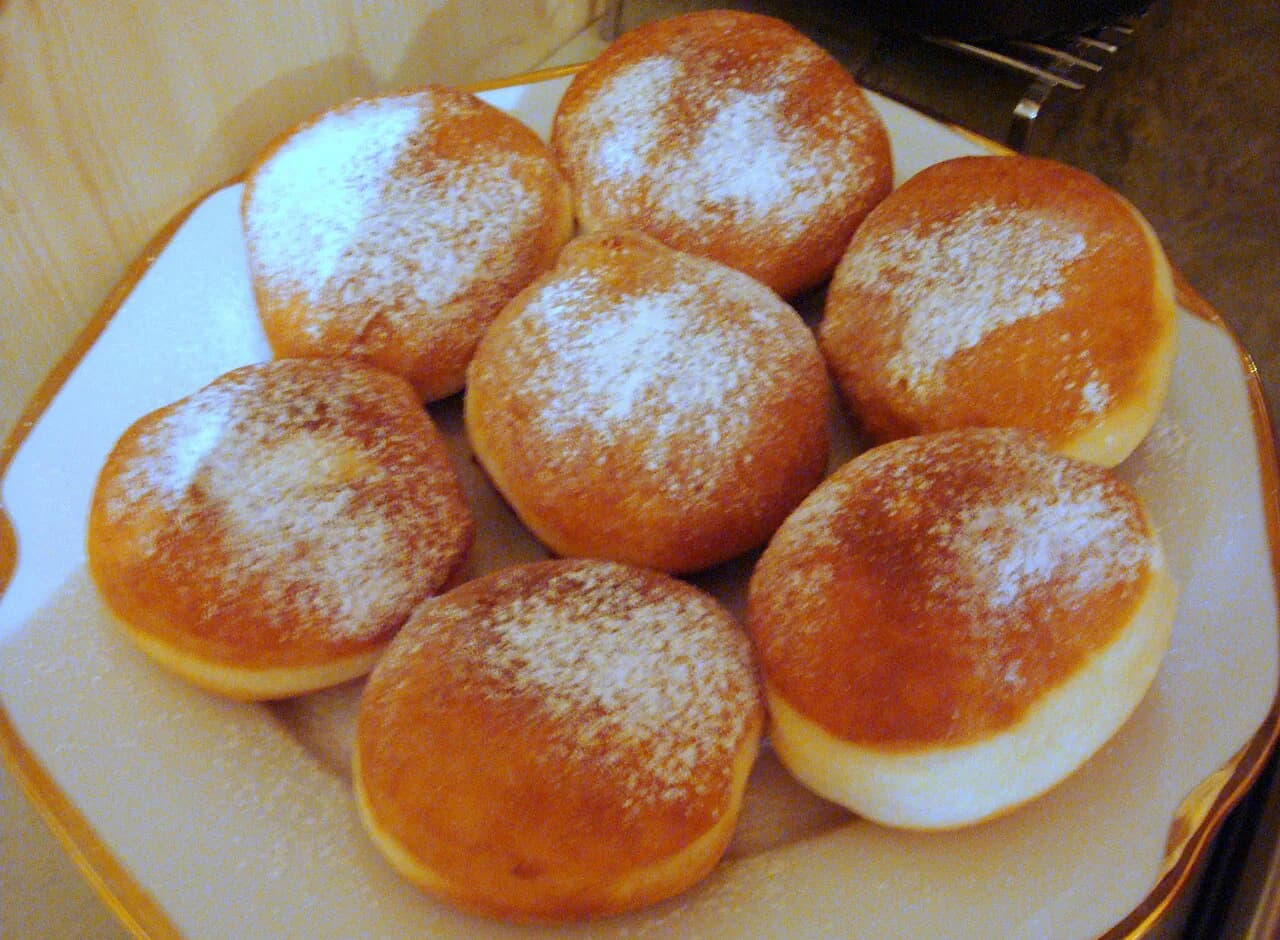
A krof is a piece of leavened dough cooked in hot oil, then filled and finished with sugar. The dough is built on yeast, flour and egg yolks with butter and milk, so the crumb is soft rather than crisp like a cake. Slovenian sources describe krofi as coming into their own at Carnival, when fried pastries are made in quantity.
The shape is a smooth round ball, not a ring, and the filling goes in after frying. That means the dough has to hold together through a long fry without splitting, which is why shaping and temperature get so much attention in the recipes. If you are comparing them to American doughnuts, the closest match is a filled, sugar-dusted jelly doughnut.
What goes inside: apricot marmalade, chocolate or vanilla cream
Apricot marmalade is the usual filling, with chocolate and vanilla cream as the other common options. The recipe writer behind one popular home version prefers apricot for its balance, and rates raspberry and blueberry highly as well.
Jam that is too stiff can be loosened with a spoonful of rum before it goes into the pastry, which makes it easier to pipe and smoother on the tongue. Sweet fillings are a matter of taste, and the choice changes the character of the finished krof more than the dough does.
The dough: flour, egg yolks, butter, milk, a little rum and lemon zest
The dough mixes two flours, a little baking powder, salt, powdered sugar and vanilla, then brings them together with warm milk, egg yolks, melted butter, rum, sour cream and grated lemon zest. A yeast starter of milk, sugar and fresh yeast goes in last. The recipe yields roughly fourteen krofi and gives a preparation time of about three hours, most of it waiting rather than working.
The rum and lemon zest are small quantities, but they are what separates a krof from a plain fried bun. The recipe also allows plain white flour in place of the sharp flour if that is what you have.
Why the dough is kneaded and risen twice before shaping
The dough is kneaded for 15 to 20 minutes until it is soft and smooth, then covered and left about an hour to double. After that it is divided into even pieces of 50 to 80 grams, each rolled into a completely smooth ball, and left covered for another 45 to 60 minutes until they double again.
The shaping matters as much as the rising. Each ball is pulled together on the underside so the top surface is smooth and tight, because a smooth surface fries into an even, unbroken crust. If the dough is still sticky after kneading, one or two extra spoons of flour will bring it back.
Frying: 160–170 °C oil, lid on for the first side, then turned
The oil should sit 2 to 3 cm deep and hold a temperature between 160 and 170 °C, measured with a kitchen thermometer. The risen balls are lowered smooth side down, because that is the side that was facing up as they proved. Without a thermometer, a wooden spoon in the oil shows fine bubbles around the handle when the heat is right.
The first side fries covered for about four minutes, then the krof is turned and finishes uncovered for around three minutes. Fry them in a pan deep enough that they float clear of the bottom, and drain them on paper towels once they come out.
Filling and finishing: jam loosened with rum, then fine powdered sugar
Fill the krofi while they are still warm, when the crumb is at its softest and most airy. A piping bag with a narrow tip pushed into the side does the job without cutting the pastry open. Finish with finely ground powdered sugar, which is what the recipe specifies.
Krofi and Carnival: when they show up on Slovenian tables
Krofi are tied to pust, the Carnival period before Lent, when fried dough of several kinds is made at home. The national tourist board treats Carnival doughnuts and fried dough balls as a seasonal tradition worth cooking at home, and publishes both recipes under that heading.
Carnival itself moves with the church calendar each year, so the weeks when krofi appear shift from one winter to the next. If you are planning a trip around the season, check the year's Carnival dates rather than assuming a fixed week.
Trojane and the doughnut stop on the road
Trojane, on the old road between Ljubljana and Celje, is associated with doughnuts in Slovenian food writing. The tourist board's piece on Carnival pastries carries a section headed "To Trojane for doughnuts," which places the village on the map for anyone driving that route.
Whether any particular counter is open, what it charges and what it stocks on a given day are not things to take on trust from an article. Check before you detour, especially outside the Carnival weeks when the demand for krofi is highest.
Krofi, flancati and miške: how the Carnival pastries differ
Krofi are the filled, round member of the Carnival pastry family, and they are not the only one. Flancati are thin, crisp fried pastries, and miške are small fried shapes, both of which appear in the same seasonal repertoire. Recipes for the Carnival table list them together with the krofi.
The difference in practice is texture and keeping quality: krofi are soft, filled and best eaten within a day, while the crisp pastries hold their snap longer.
Making them at home: what takes the time and where it goes wrong
Almost all of the three hours goes into two rises and the fry, so the dough is not demanding of attention once it is mixed. The common failures are under-kneaded dough that stays sticky, oil that is too cool and leaves the krofi greasy, and oil that is too hot and browns the outside before the middle sets.
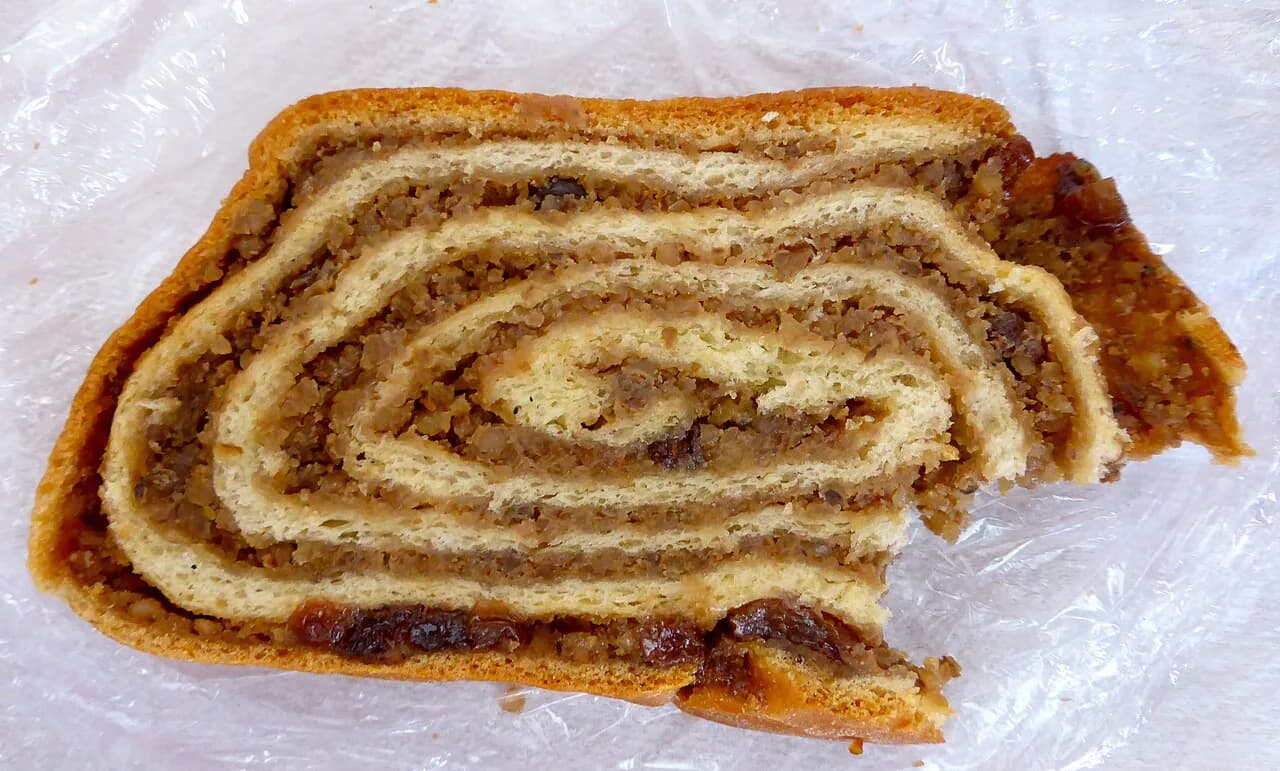
If you only bake Slovenian sweets occasionally, krofi are the one to attempt when you have an afternoon at home, and you can pair the project with a simpler bake from the wider Slovenian desserts repertoire. A sliced roll such as potica keeps far better and needs no frying at all.
Make the krofi, then plan the bakery stop
Krofi reward patience more than skill: get the dough smooth, let it double twice, hold the oil near 160–170 °C and turn the pastry once. Apricot marmalade is the classic filling, with chocolate and vanilla cream as the alternatives.
If a road trip takes you toward Trojane, look up the current opening and stock of the doughnut stop before you build the drive around it. Between Carnival seasons, the home recipe is the more reliable route to a warm krof.
Sources
Notes for your Slovenia trip
Optional updates to our Slovenia place guides.
You might also like
Continue reading
More guides you'll find useful