Štruklji: Slovenia's Rolled Dumplings, Sweet and Savory
Štruklji are Slovenian rolled dumplings of thin pastry, boiled or baked, filled with cheese, walnuts, tarragon or apple, and served sweet or savory.
On this page
Štruklji are rolls of thin pastry wrapped around a filling and then boiled or baked, served either as a savory side or as a dessert. Ordering them in Slovenia means choosing a filling and a serving style as much as choosing a dish, and the cheese version called sirovi štruklji is the one most travelers picture. This guide covers the wrapper, the fillings you will meet, the cloth-wrapped simmering method, and where to try them.
Treat štruklji as part of the wider picture of Slovenian sweets rather than a standalone curiosity. A plate of them can end a meal the way a slice of rolled cake does, and the country's dessert table rewards a little curiosity. For more ideas, see our guide to Slovenian Desserts.
What štruklji are: thin pastry rolled around a filling
A štrukelj starts as a sheet of pastry, spread with filling and rolled into a cylinder before cooking. Ljubljana's tourism board describes them plainly as boiled or baked rolls of filo pastry that can hold various fillings, which is the most useful definition to carry into a restaurant. The plural is štruklji and a single one is a štrukelj, a distinction worth knowing when you ask what is on the plate.
One recipe writer traces the dish to a 16th-century monastic recipe for cooked štruklji with tarragon filling, which later moved into middle-class households and then into everyday cooking across Slovenia. That account explains why the same name covers so many versions today. It also explains why tarragon, an herb that surprises many visitors, keeps turning up in fillings.
The wrapper: hand-stretched dough or store-bought filo
The wrapper is the first real decision, because it shapes everything that follows. A home cook stretches dough by hand until it is thin enough to read a newspaper through, then trims the thick edges before filling. Store-bought filo sheets are the practical shortcut, and recipe writers who offer both are clear that homemade takes longer but handles differently.
Recipes built on ready-rolled filo promise a faster route, with one version timing the whole job at 15 minutes of preparation and 30 minutes of cooking. The hand-stretched dough recipes are slower: one rests the dough an hour before rolling, and another rests it overnight in the fridge. Pick based on how much of your day the kitchen gets.
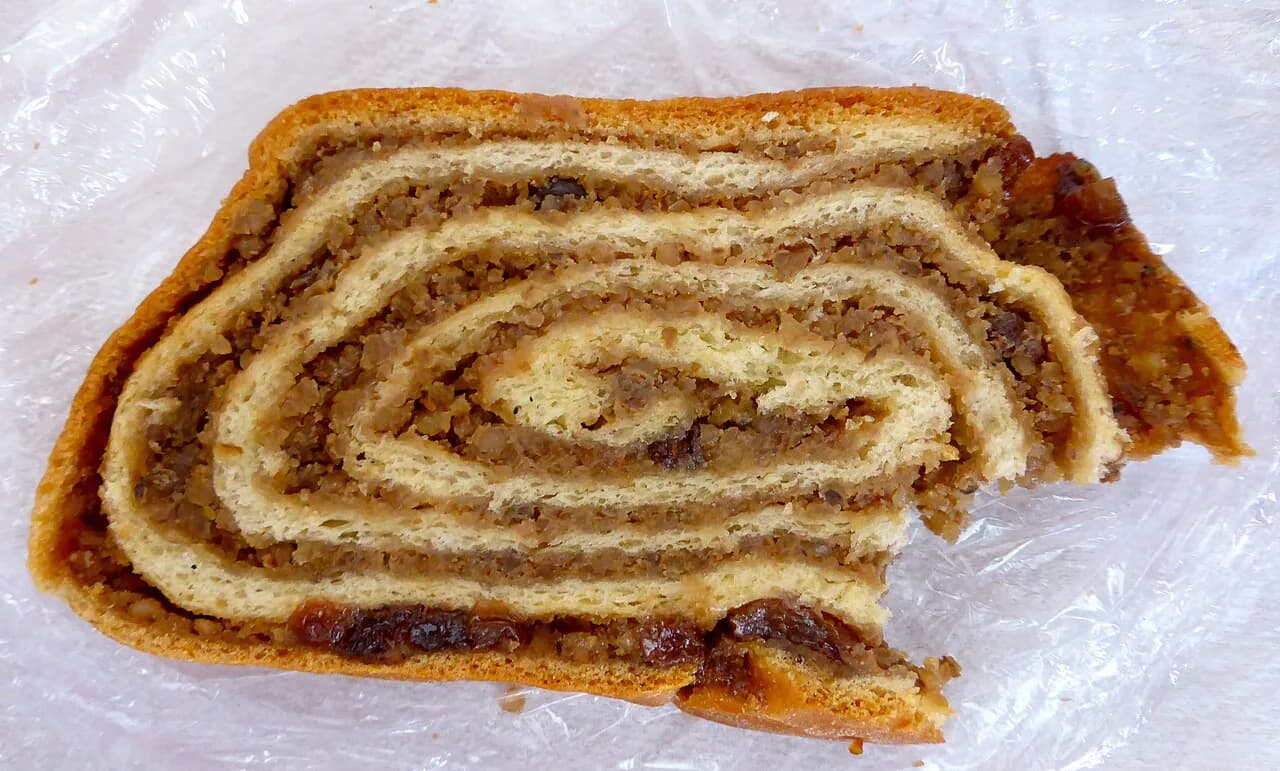
If you want a rolled Slovenian bake that is closer to a cake, potica uses a similar principle of dough spread with filling and rolled. It is a useful comparison for anyone who has already met one and is deciding whether to try the other; our Slovenian Desserts guide covers more of the country's sweet baking.
Sweet or savory: one roll, two serving modes
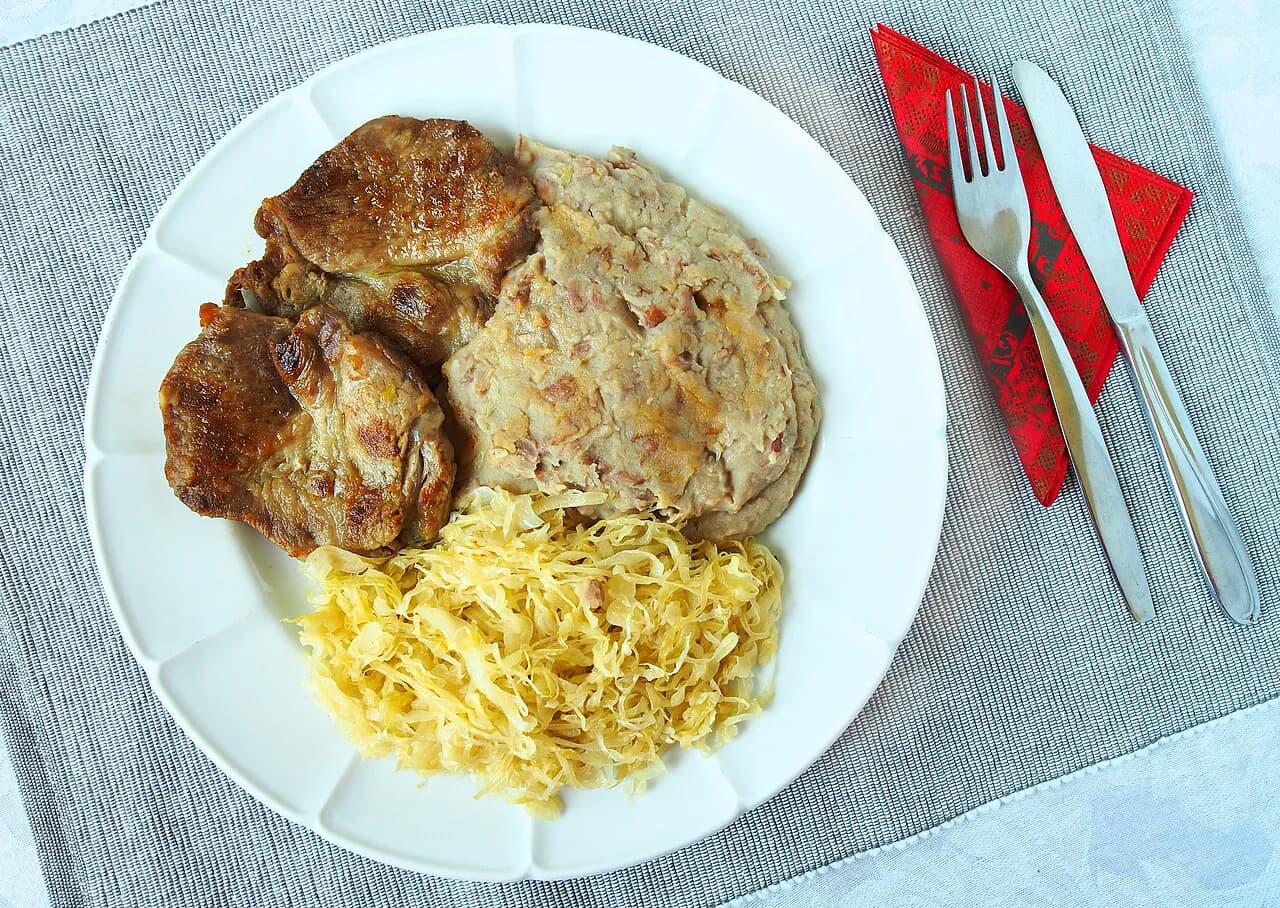
The same štruklji can arrive as a side dish next to meat, especially venison, or as a dessert finished with breadcrumbs. That flexibility is why the dish confuses first-timers scanning an English menu: nothing about the name tells you which direction the kitchen took it. The filling and the topping usually settle the question.
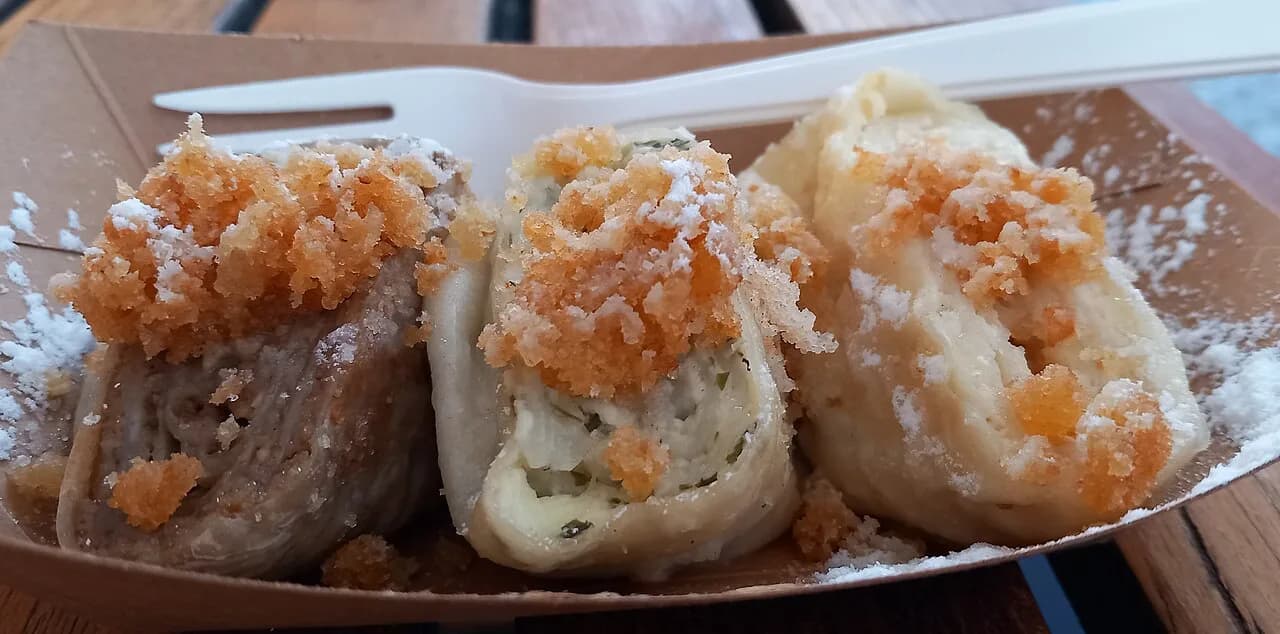
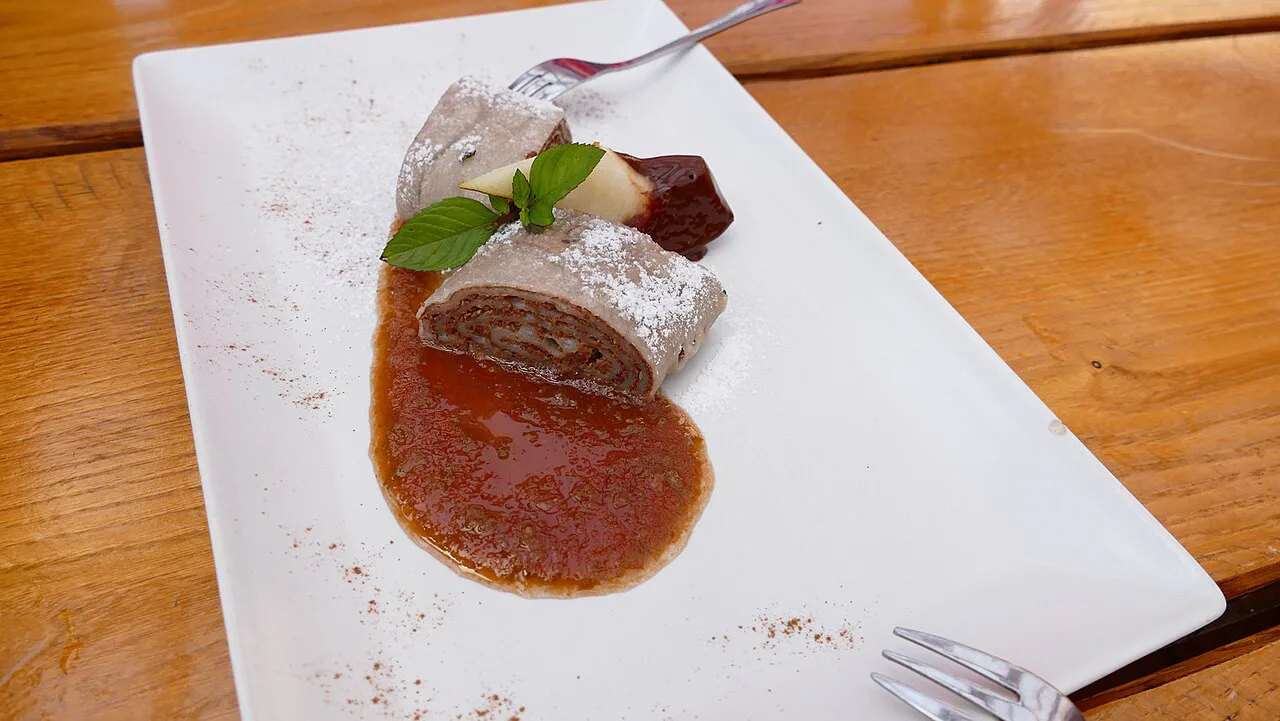
On the sweet side, the classic finish is melted butter and breadcrumbs, sometimes with cinnamon and a spoon of jam. Some cooks add cranberry jam on top, which cuts the richness of the cheese filling. A savory plate skips that and lets the sauce from the main dish do the work.
The fillings you'll see most
Cottage cheese dominates, with buckwheat and walnut close behind and tarragon widely used as a seasoning in Slovenia. Boiled apple, baked apple and chocolate versions have also become common. If you only try one, the cheese roll tells you what the dish is about; the buckwheat and walnut version shows how far it can go.
Fillings vary well beyond that short list, from salty beans to sweet walnuts with raisins to chocolate. The wrapper stays the same, so a kitchen that makes one kind well usually makes several. Asking what came out of the pot that day is a reasonable way to choose.
Sirovi štruklji, the cheese version most people mean
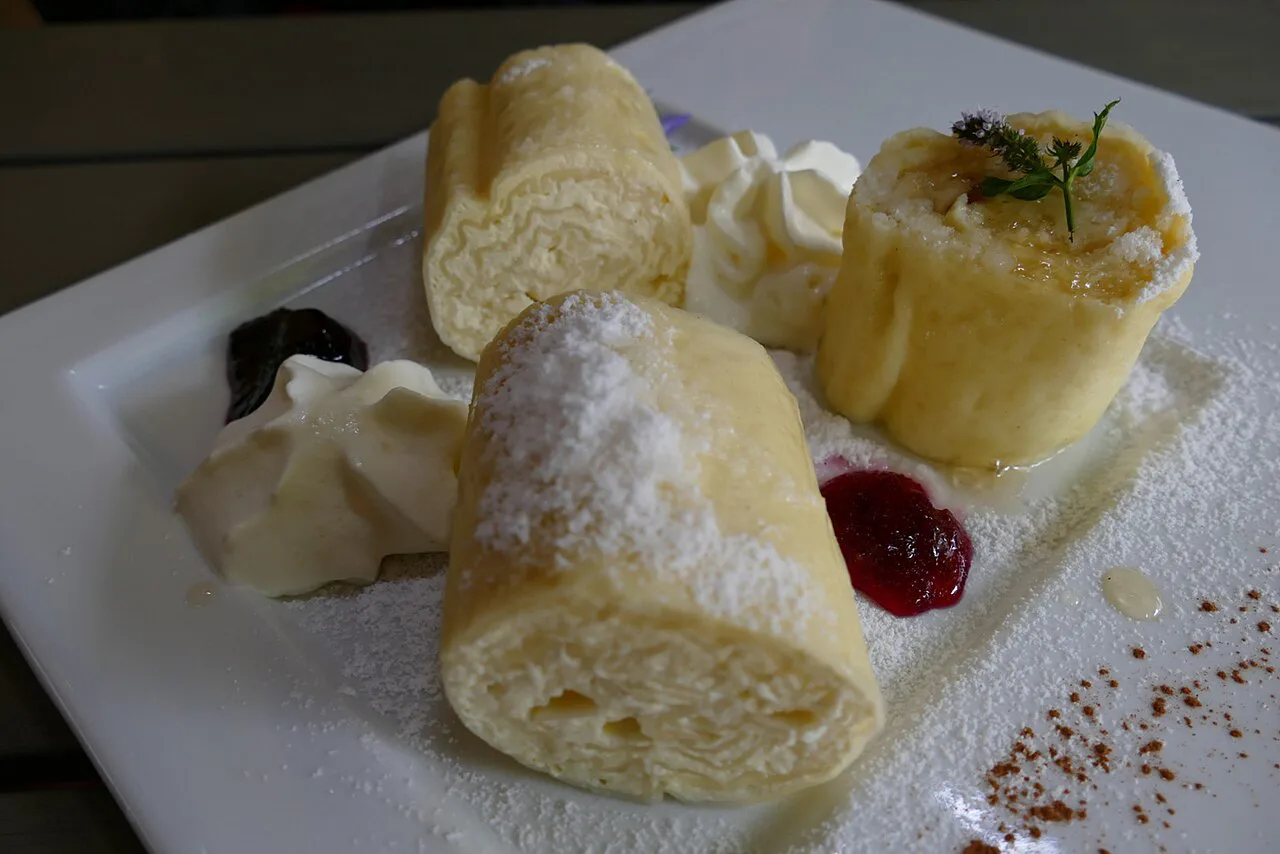
Sirovi štruklji are the cheese rolls, and they are what most people have in mind when they say štruklji without a qualifier. The filling is fresh cheese loosened with sour cream and bound with egg; one home recipe uses farmer's cheese with sour cream, eggs and a little sugar. Cottage cheese or ricotta both work in the same role, with ricotta giving a creamier result.
A New York Times adaptation of a Slovenian home cook's recipe uses dry cottage cheese, sour cream, eggs, parsley and a browned-breadcrumb mixture folded into the filling itself. That breadcrumb layer inside the roll is a variation worth noticing, because it makes the filling nutty rather than purely dairy.
How a štrukelj is made: stretch, fill, roll, wrap, simmer
The cooking step surprises anyone expecting a pierogi-style dumpling. The filled roll is wrapped tightly in a floured kitchen cloth or double cheesecloth, tied at both ends like a sausage, and lowered into salted boiling water. It simmers covered for roughly 30 minutes, then rests before the cloth comes off.
Timings differ by recipe and by size of roll: one cloth-wrapped version simmers about 30 minutes and then stands 10 minutes before unwrapping, while the New York Times version simmers for 40 minutes. Neither number is universal, so follow the recipe you are actually cooking. The cloth, not the water, is what holds the shape.
Kitchens without a large pot can use a steam oven instead, at 120 °C or 250 °F with full steam for 30 to 40 minutes. That route avoids tying cloths but needs a dish deep enough for the rolls and a cup of water in the bottom.
Where to try štruklji in Slovenia
Ljubljana has a štrukljarnica, an eatery serving only štruklji, at the central market, with close to 20 flavors including herbs, chives, meat, mushrooms, carrot, chocolate and a choco-banana version. A portion means two rolls, which is the practical way to compare a savory one against a sweet one. Several city restaurants also serve them, among them Druga violina, Kratochwill, Klobasarna and Slovenian house.
Outside the city, mountain huts on Slovenian pastures make a strong case for the cheese version, using fresh cottage cheese from the milk of cows grazing nearby. Two named examples are Domžalski dom on Velika planina and Planšarija Dolga njiva. Gostilna Ledinek at the top of Šmarna Gora serves boiled štruklji with different fillings.
Mountain huts keep their own seasonal rhythm, so confirm details directly before building a day around one. If you are traveling on toward the Julian Alps, towns such as Kranjska Gora put you within reach of pasture huts where the cheese version is made close to the source.
What to order with them
If štruklji come as a main, the traditional pairing is buttered breadcrumbs on top and something tart on the side. One home cook serves them with an apple and rhubarb compote, which balances the dairy filling. As a side dish, they sit comfortably next to a meat main with sauce.
Drinks and dessert orders are best decided in the room rather than planned in advance, since menus change. Keep an eye out for other Slovenian sweets if you want to compare rolled pastry styles: a slice of kremsnita is a very different construction from a boiled roll. Our Slovenian Desserts guide covers the wider sweet table.
Making štruklji at home
Two things go wrong most often: the dough and the filling's moisture. The pastry should be thin and translucent without tearing, and the filling should be neither dry nor wet, with neither too little nor too much spread over the sheet. Work slowly from the center outward when stretching, and flour your cloth generously so the roll releases cleanly.
The cloth matters more than it looks. Use a kitchen towel that has not been washed with fabric softener, since the residue can leave a taste in the dumplings, and reserve heat-proof clingfilm if you go that route, pricking it to let steam escape. A serrated bread knife gives cleaner slices than a straight blade.
To finish, melt butter in a pan and toast breadcrumbs until golden, then spoon them over the sliced rolls. Some cooks add cinnamon and sugar; others stop at butter and crumbs. Serve warm, either as a side or as dessert.
Leftovers: slicing, reheating, and freezing
Cooked štruklji keep in the fridge for up to three days, and they freeze well for up to three months. Defrost at room temperature or overnight in the fridge before reheating. Slice only what you plan to serve, since the uncut roll holds moisture better.
Reheat gently by steaming: set the slices in a pot with an inch of water, cover, and warm through, or place a bowl over a pan of boiling water. A damp paper towel and a few minutes in the microwave also work for a quick portion. Both methods avoid the dry edges you get from a hot oven.
Order the cheese roll first
Start with sirovi štruklji as a side or a dessert, and let the sweet-or-savory choice follow what else is on the table. If you meet them at a štrukljarnica, take two different flavors, since a portion is two rolls. In the mountains, the pasture-hut version made with fresh cheese is the one to seek out.
For cooks, choose your wrapper before anything else: store-bought filo if you want the job done in under an hour, hand-stretched dough if you have an afternoon. Either way, the filling should be smooth and the cloth tightly tied. Then slice, top with buttered crumbs, and eat while warm.
Frequently Asked Questions
What are Slovenian dumplings called?
They are called štruklji, with a single one known as a štrukelj. Unlike a pierogi, the filled roll is wrapped in cloth and simmered whole, then sliced to serve. The cheese version is sirovi štruklji.
Do you eat štruklji as a dessert or a main?
Both. The same roll can come as a savory side with meat and sauce, or as a dessert topped with buttered breadcrumbs and sometimes jam. The filling and topping tell you which way the kitchen has taken it.
Sources
Notes for your Slovenia trip
Optional updates to our Slovenia place guides.
You might also like


Continue reading
More guides you'll find useful