Prekmurska Gibanica: Slovenia's Layered Pastry, Explained
Prekmurska gibanica is a Slovenian layered pastry from Prekmurje with poppy seed, cottage cheese, walnut and apple fillings and thin stretched dough.
On this page
Prekmurska gibanica is a layered pastry from Prekmurje, the region of northeastern Slovenia across the Mura River, and it is built from thin stretched dough wrapped around four fillings: poppy seed, cottage cheese, walnut and apple. The name comes from Prekmurje itself, and the dessert belongs to the wider family of Slovenian desserts that includes rolled and strudel-style pastries. This guide lays out the four fillings in the order they stack, explains the difference between stretched dough and filo sheets, and flags the steps where a home baker loses the most time.
What Prekmurska gibanica is
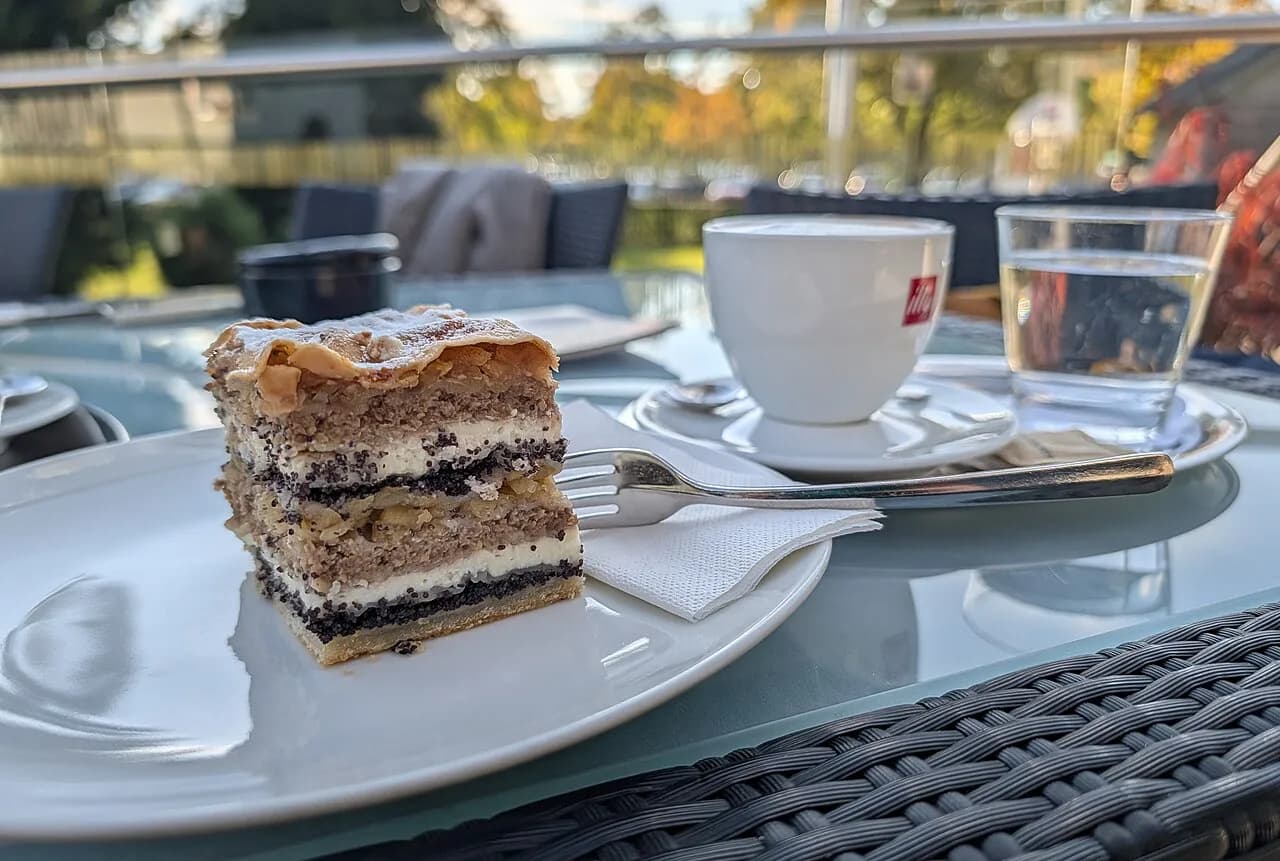
Prekmurska gibanica is a sweet layered cake of Slovenian home cooking, named for the Prekmurje region in the northeast of the country beyond the Mura River. The dish is a stack of very thin dough sheets alternated with four distinct fillings, then topped with cream and baked until the top turns golden and crisp. It is a celebration pastry rather than an everyday one: the work is spread across four separate fillings before assembly even starts.
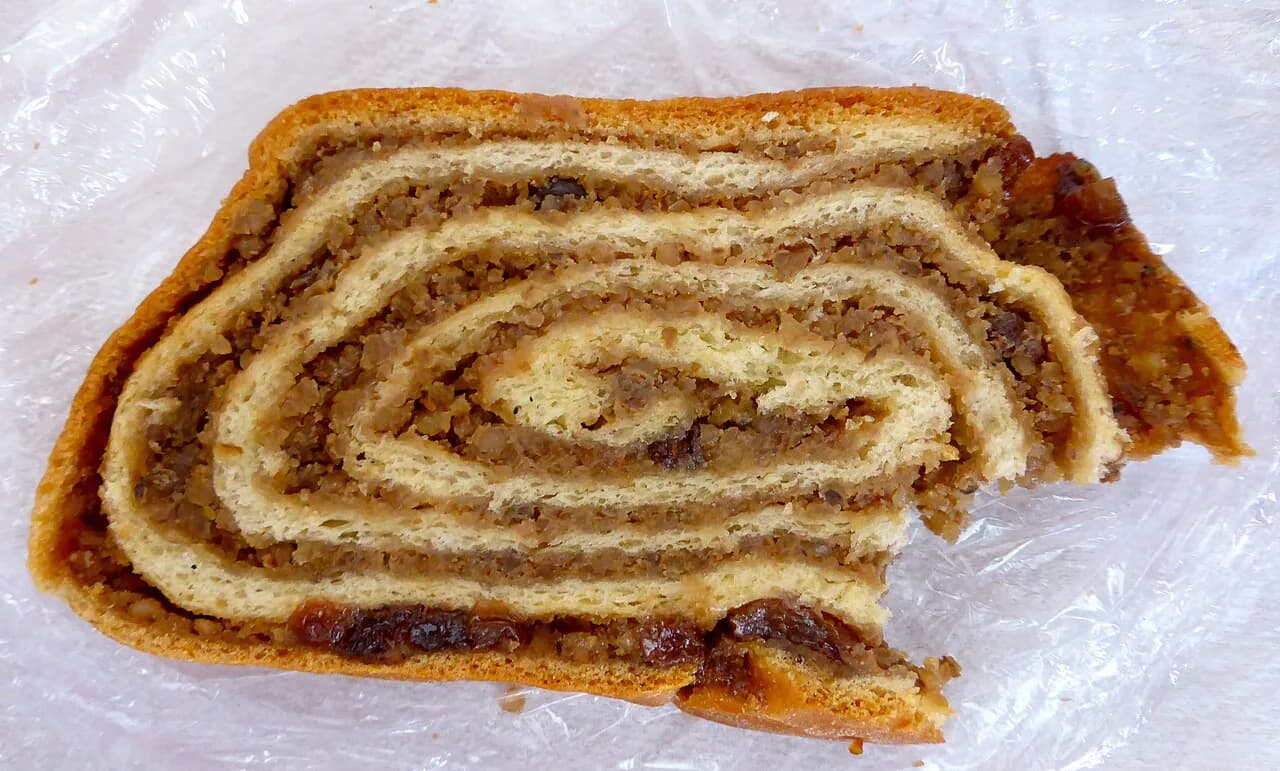
The dessert sits alongside other Slovenian desserts built on thin dough and generous fillings, including rolled potica and the strudel-style štruklji. Where potica rolls its filling inside a single sheet, gibanica stacks flat layers and shows its cross-section when sliced, which is why the filling order matters so much. Readers who want the wider picture of Slovenian sweets can start with the site's collection of Slovenian desserts and work backward to the individual pastries.
The four fillings, in stacking order
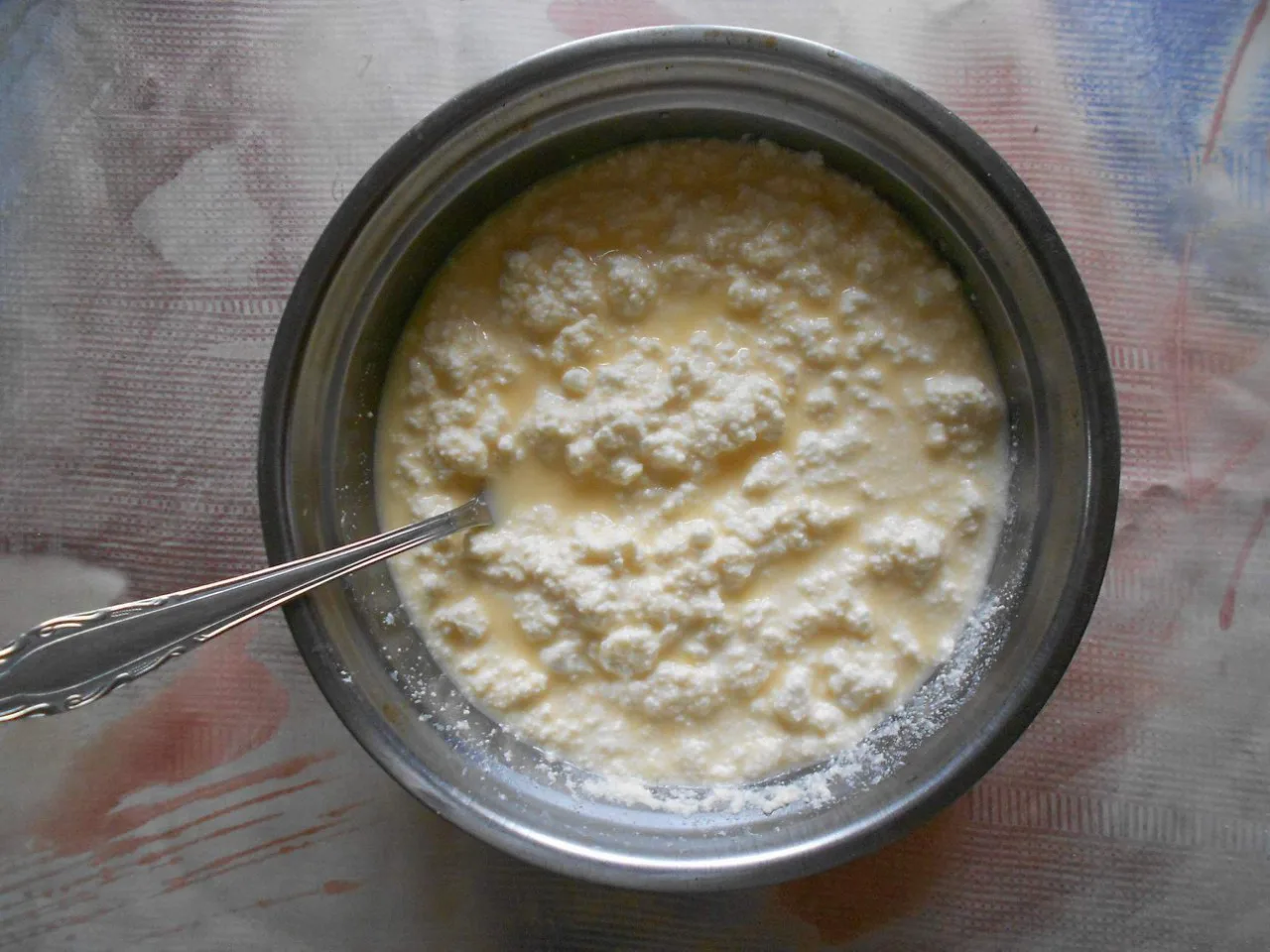
The fillings go down in a fixed sequence: poppy seed first, then cottage cheese, then walnut, then apple. Working from the bottom, the poppy seed layer is mixed with sugar and warm milk and spread directly on the first buttered sheets. The cottage cheese layer combines fresh cheese with egg, sugar and vanilla, sometimes with raisins soaked in rum.
The walnut layer is ground walnuts stirred with sugar, often loosened with hot milk and a little cinnamon so it spreads rather than crumbles. The apple layer uses peeled, grated apples cooked briefly with sugar, cinnamon and grated lemon zest, then drained so the released liquid does not soak the dough. A version that adds raisins to the cheese and rum to the soaking liquid appears in a home-cook write-up of the pastry.
One quirk worth knowing before you shop: at least one home recipe folds a grated apple and cinnamon into the walnut mixture instead of keeping the two apart. Others treat the walnut layer as nuts and sugar only. Neither approach is wrong for a home kitchen, but it changes how many bowls you dirty and how sweet the middle of the cake tastes.
Stretched dough versus filo pastry
Traditional gibanica uses vlečeno testo, a thin stretched dough pulled until it is thin enough to see through, then cut into sheets sized to the baking pan. Making it means kneading, resting the dough under a cloth for about half an hour, and stretching it across a floured surface, which is the single most demanding step in the recipe. The payoff is a tender, slightly chewy layer that holds up under wet fillings.
The shortcut is filo pastry, sold in packets of about a dozen sheets, thawed and brushed with melted butter as you build. A filo version browns faster and shatters more cleanly at the cut, and it removes both the kneading and the stretching from the schedule. Bought vlečeno testo is also sold in Slovenian supermarkets, which keeps the texture closer to the traditional result without the stretch.
How the layers stack
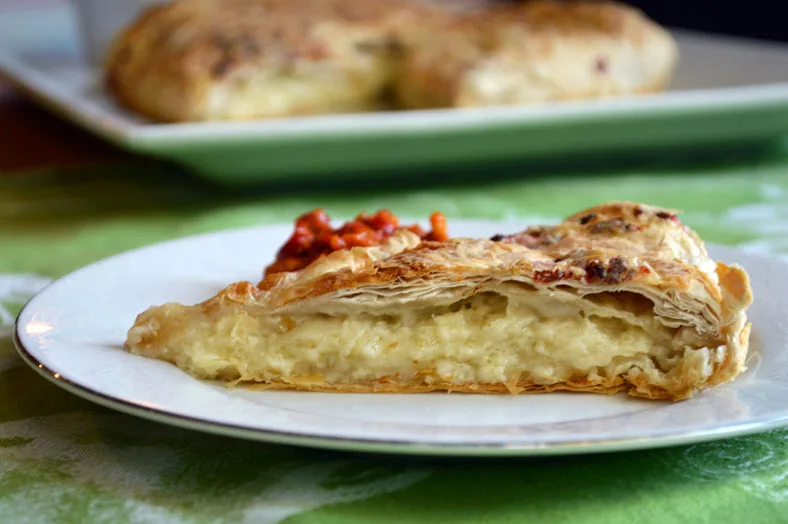
Assembly starts with two or three buttered sheets on the bottom of a greased pan, then a filling, then more buttered sheets, and so on through the sequence. When all four fillings have gone down once, the whole cycle repeats, so the finished cake carries each filling twice. Plan on roughly a dozen sheets if you are working with filo, and keep the stack even at the edges so the slices hold together.
The top gets two or three buttered sheets, and then a cream mixture of sour cream and double cream is poured evenly over the surface. Let the assembled cake sit for about ten minutes so the cream soaks into the top sheets before it goes into the oven. Skipping that rest leaves a wet cap that browns unevenly.
Baking and resting
Most home versions bake at 180°C (350°F), though one recipe pushes the oven to 200°C and pulls the time back to about 40 to 45 minutes. At the lower temperature the cake needs roughly an hour, until the top is golden and crisp. Follow whichever temperature your chosen recipe specifies rather than splitting the difference, because the fillings are wet and a hot oven can set the top before the center firms up.
Cool the cake completely before slicing, or the layers will slide and the cut edges will smear. This is the step most likely to be rushed: the pastry comes out soft and the fillings need time to set as it cools. A long rest also makes the next day's slices cleaner, which matters if you are serving it to guests.
Serving and storing
Serve gibanica dusted with powdered sugar, at room temperature or slightly warmed. It also works cold, and one home baker serves it warm with ice cream alongside. Cut generous squares, since the layers are dense and a thin slice falls apart on the plate.
Leftovers keep in the refrigerator for up to four days, covered or in a sealed container, and the flavor settles rather than fading. Bring slices back to room temperature before serving so the dough softens again. If you want a second Slovenian pastry on the same table, a nut roll such as potica covers the rolled side of the tradition and keeps equally well.
Where the recipe gets fiddly
The time goes into four separate fillings, each mixed in its own bowl, before any dough is touched. Poppy seeds need hot milk and a few minutes to soften, the cheese mixture needs mashing smooth, and the apples must be cooked and drained so they do not weep into the layers. Prepping all four first, then assembling, is far calmer than building as you go.
The second time sink is the dough: stretching vlečeno testo thin without tearing takes practice, and trimming the thick edges wastes a little of the sheet. Bought filo or bought stretched dough removes most of that risk and cuts the total time to something closer to two hours including baking. The trade-off is texture, and only you can decide whether the traditional pull is worth an afternoon.
Which version should you bake first?
Bake the filo version first. It teaches you the stacking order and the cream soak without the stretch, and it bakes in about an hour at 180°C. Once the assembly feels routine, move to vlečeno testo for the texture the pastry is known for.
If you would rather not bake at all, look for gibanica in Prekmurje itself, where it is a regional specialty, and compare it with the rolled pastries in the site's guide to potica. The two share a pantry of poppy seeds, walnuts and cottage cheese but almost nothing in technique.
Frequently Asked Questions
What is gibanica in English?
There is no settled English name. Gibanica means a layered pastry, and prekmurska gibanica is the version from Prekmurje, usually described in English as a layered poppy seed, cottage cheese, walnut and apple cake.
What is the difference between burek and gibanica?
Burek is a rolled or coiled pastry, while gibanica is built flat, with separate fillings stacked between sheets of dough and a cream topping poured over the top before baking. The two are assembled differently even when they share a similar dough.
Sources
Notes for your Slovenia trip
Optional updates to our Slovenia place guides.
You might also like
Continue reading
More guides you'll find useful