Slovenia History: A Visitor's Timeline From Roman Towns to 1991
Slovenia's history in brief for travelers: Roman towns, the Habsburg centuries, Yugoslavia and the 1991 independence vote, with the places where you see it.
On this page
Slovenia's history condenses into four periods you can actually walk through: Roman towns at Celje and Ptuj, the Habsburg centuries that shaped the old town centers, the Yugoslav era, and independence on June 25, 1991. Knowing which period built which square makes the towns on your route read differently. This guide pairs each stretch of the timeline with the places where it is still visible, and leaves out anything that depends on today's prices, hours or tour schedules.
The sequence runs from Celtic settlement around 400 BC, through the Roman conquest in 10 BC, Slavic arrival in the 6th century, the Habsburg inheritance of Carinthia and Carniola in 1335, and the end of Austria-Hungary in 1918, to the 1991 declaration and the US and EU recognition that followed in 1992. Before you build an itinerary around towns, it helps to sort them by which layer sits on top.
Slovenia history at a glance: the periods that shaped the towns you will visit
Four layers cover most of what a visitor sees. The Roman layer left Emona under Ljubljana, Celeia at Celje and Poetovio at Ptuj; the medieval and Habsburg layer built the market squares and parish churches of the smaller towns; the 20th century added the Yugoslav and independence story.
A quick frame: Celts settled the area around 400 BC and formed the state of Noricum, Rome conquered the region in 10 BC, the Slavs arrived in the 6th century AD, and the Franks dominated from the 8th century before Slovenia was absorbed into the Holy Roman Empire in the 9th. Those four dates do most of the work of explaining why a Slovene town looks Roman at the foundations and Central European at street level.
For a trip, treat the timeline as a sorting tool rather than a reading list. If you have one day in a town, the period that built its main square is the one worth understanding before you arrive.
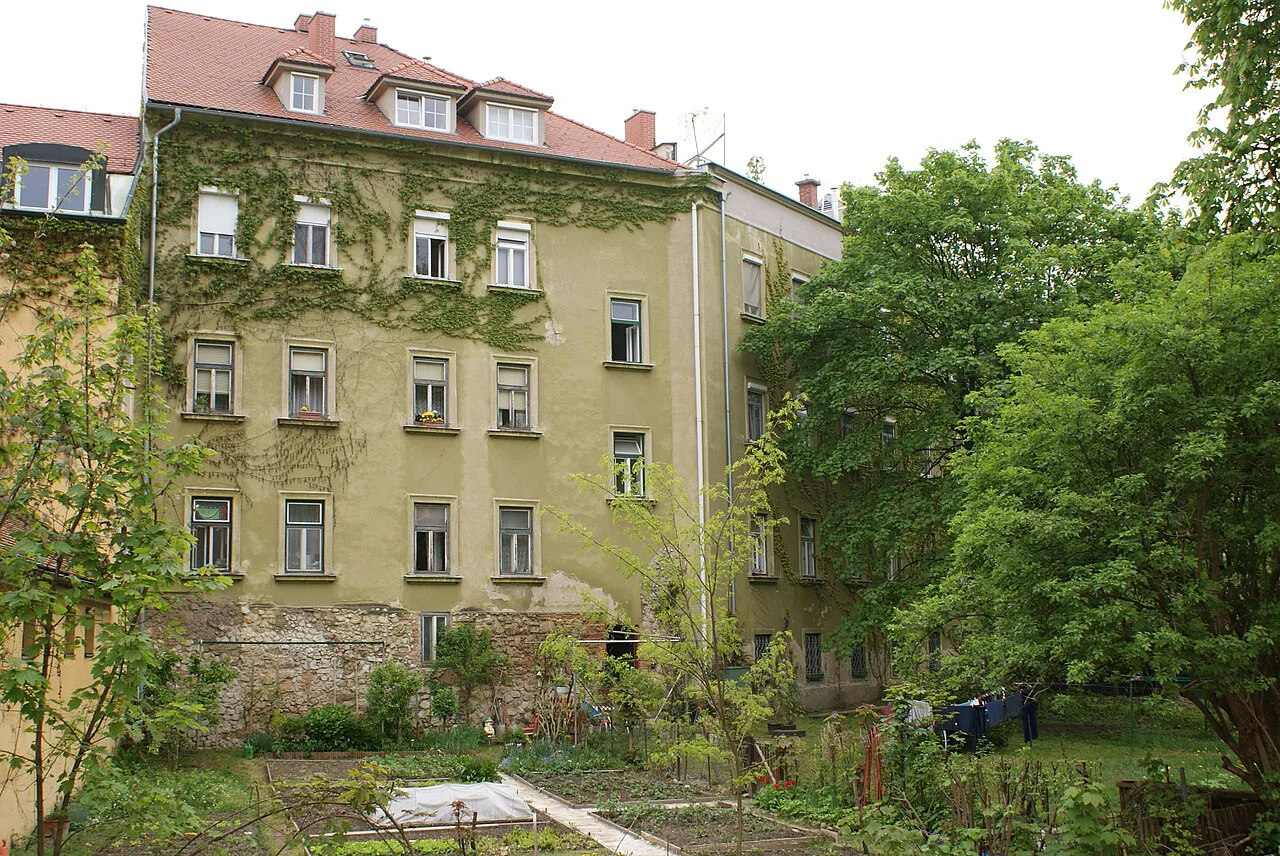
Celts, Romans and the Roman towns of Emona, Celeia and Poetovio
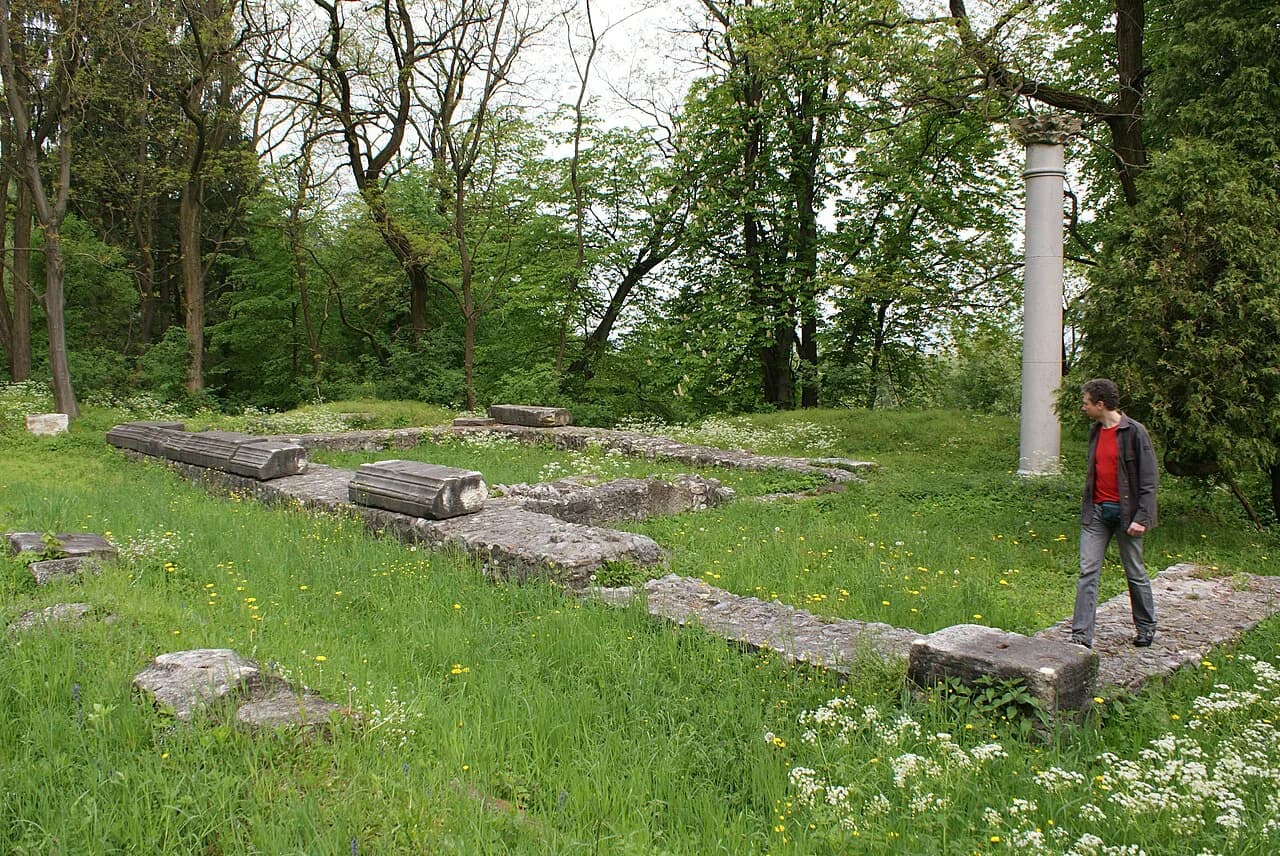
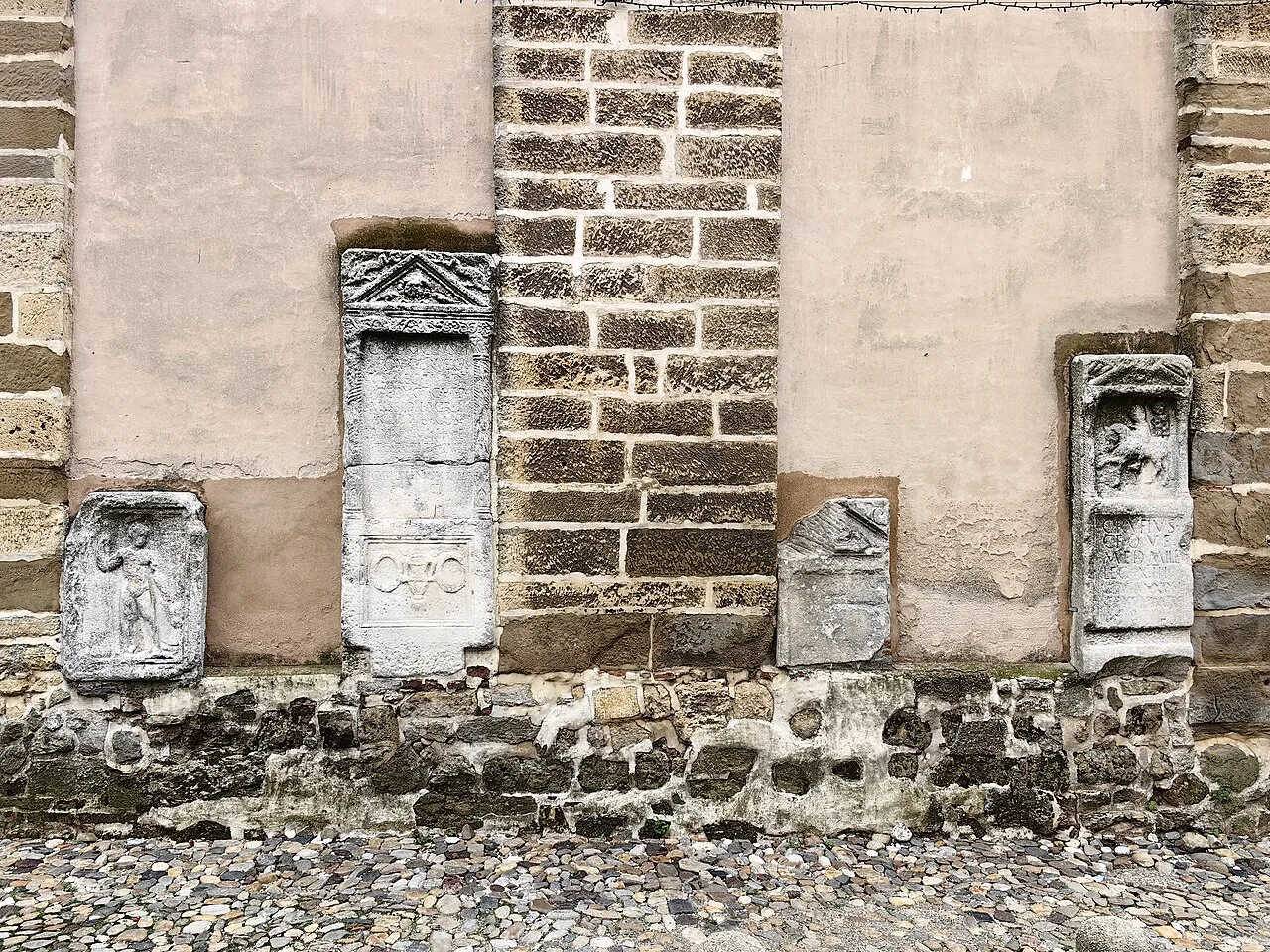
Rome's mark is the easiest layer to point to. The source record names three Roman towns on what is now Slovenian ground: Emona, which underlies present-day Ljubljana; Celeia, at Celje; and Poetovio, at Ptuj.
Celje and Ptuj repay a stop precisely because their Roman identity is tied to a specific ancient name you can hold in mind while walking the center. Ljubljana's Roman layer sits beneath a later city, so it reads differently: Emona appears as fragments within a later street plan rather than as a stand-alone Roman site.
The Celtic prologue matters for context: Celtic settlement around 400 BC produced the state of Noricum before Rome moved in. Pairing the two in your head explains why the oldest layers in this part of Europe are Celtic-then-Roman rather than one or the other.
Slavic settlement and the Frankish and Holy Roman Empire centuries
The Slavic ancestors of today's Slovenes arrived in the 6th century AD. In the 8th century they came under Frankish domination, and in the 9th century the region was absorbed into the Holy Roman Empire, which was centered on Germany.
This is also the period in which missionaries converted the population to Christianity, which is why the oldest surviving buildings in most Slovene towns tend to be churches rather than palaces. When you stand in a parish church in a smaller town, you are looking at the institution that carried local life through these centuries.
Older accounts sometimes name the medieval provinces behind later Slovenia as Carinthia and Carantania, a reminder that the political units you read about do not map neatly onto the modern border. Expect regional names, not a single early "Slovenia."
The Habsburg centuries: Carinthia, Carniola and Istria
The Habsburg dynasty gained Carinthia and Carniola in 1335, Istria in 1374 and Trieste in 1382. That single family's reach explains the shared look of old town centers from the interior to the coast.
This is the layer most travelers admire without naming: the compact squares, the painted facades, the churches on the rise above the market street. When a Slovene town feels Central European rather than Mediterranean, you are looking at the Habsburg centuries.
The Habsburg period also set up the linguistic mix on the coast, where Italian and Slovene life overlapped around Trieste and Istria. That overlap is why coastal place names often come in two versions on signs and maps.
Reformation, Counter-Reformation and the Slovenian language
In the early 16th century Protestantism made headway in the region, but by the end of that century the Catholic Counter-Reformation had reconverted the population. That reversal explains why the visible religious architecture of the period is overwhelmingly Catholic.
The same centuries produced the literary figure most travelers encounter by name: France Prešeren, who lived from 1800 to 1849 and led early 19th-century Slovenian literature. His dates fall after the Counter-Reformation and the Habsburg consolidation, in the era when Slovene was being written rather than just spoken.
Language is the thread that ties the whole story together for a visitor. In 1809 Napoleon carved out the Illyrian Provinces and Slovene was used in schools and in government; in 1814, after his defeat, the area was absorbed back into the Austro-Hungarian Empire. In 1848 Slovenians demanded autonomy and the use of Slovenian in schools and government, and the emperor refused.
1918: the end of Austria-Hungary and the Kingdom of Serbs, Croats and Slovenes
With the end of the First World War in 1918 the Austro-Hungarian Empire disintegrated and Slovenia joined with Serbs and Croats in a new state led by Serbian King Peter I, the Kingdom of Serbs, Croats and Slovenes. In 1929 King Alexander renamed the kingdom Yugoslavia.
For travelers, 1918 is the dividing line between the Habsburg towns and the Yugoslav 20th century. Buildings of the interwar years, including the civic institutions of the new state, sit on the far side of that line.
The break was abrupt rather than gradual. In 1918 the empire ended and the new kingdom began in the same year, which is why older accounts of a Slovene town often switch vocabulary from "Austrian" to "Yugoslav" between two paragraphs.
1941 to 1945: occupation, Partisans and the Domobranci
In March 1941 the regent signed a treaty with Germany and was overthrown in a coup; Germany bombed Belgrade on 6 April 1941 and invaded Yugoslavia, conquering the country within days. Slovenia was occupied and divided during the war.
Slovene Partisans fought the Germans, while from 1943 some anti-Communists known as the Slovenian Domobranci supported the Germans in order to prevent the spread of Communism. Slovenia was fully liberated in May 1945, and the Domobranci retreated into Austria, where the British disarmed them.
The war's end was also a moment of internal violence. According to the historical summary, the anti-Communists who were sent back to Yugoslavia were killed by the Partisans, with about 12,000 killed. That split is part of why Slovenian memory of the war is more complicated than a simple occupation-and-liberation story.
Yugoslavia after 1945 and the road to June 25, 1991
After 1945 Slovenia was part of a Communist Yugoslavia, and modern Slovenia's independence came in stages: the Republic of Slovenia declared independence from Yugoslavia on June 25, 1991, and the United States and the European Union recognized Slovenia in 1992.
For a traveler, the Yugoslav decades are visible in the planned edges of towns, the concrete housing districts and the sports and cultural buildings of the period. The old centers tend to stop at 1918 and the newer rings start after 1945.
Independence in 1991 and recognition in 1992 are recent enough that many Slovenes you meet will have their own family memory of those years. Treat the dates as the anchor and the personal accounts as something you may hear, not something to ask for.
What Slovenia's history means for a trip: which towns carry which period
Sort your route by period: Celje and Ptuj for the Roman layer under their modern centers, Ljubljana for Emona beneath a Habsburg city, and the smaller market towns for the Habsburg centuries in their squares and churches. Coastal towns add the Italian-Slovene overlap around Trieste and Istria.
If you prefer context delivered by a guide rather than read in advance, guided walks and tours in the towns are the practical route. Choose the town whose period you care about most and build the day around that square rather than trying to cover the whole timeline.
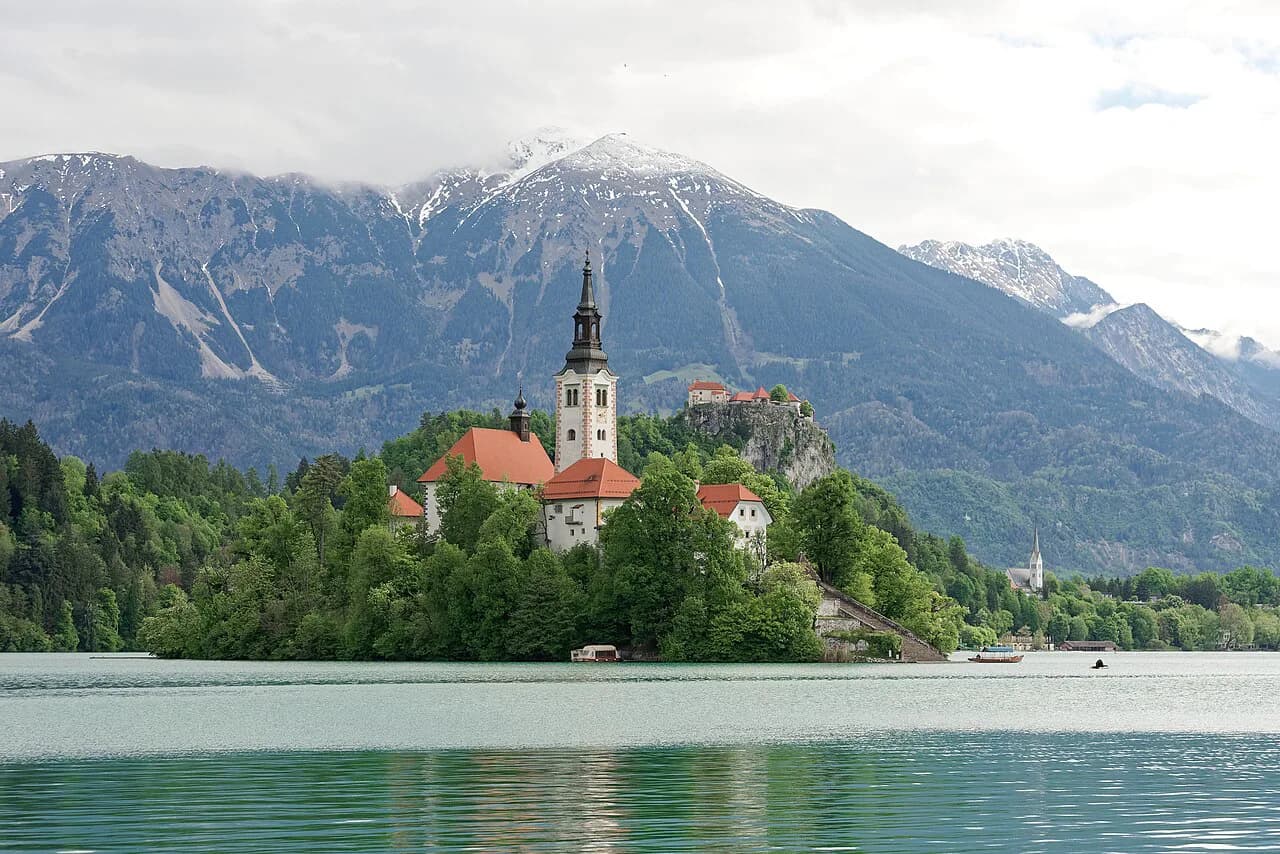
Pair the towns with a lake day if you want a break from the timeline: Lake Bled sits within reach of the Habsburg-era towns on a loop through the region. Browse the wider list in the Things to Do in Slovenia guide and pick the places whose period matches your interest.
Which towns should you build your history day around?
Build the day around one layer rather than all four. Celje or Ptuj for the Roman names, a Habsburg market town for the old squares, Ljubljana if you want the whole sequence stacked in one place.
Check the opening times, tour slots and ticket prices of any museum or guided walk on the day you plan to go, before you commit the day to it. The historical dates in this article are firm; the practical details change.
Explore more Slovenia guides
Sources
Notes for your Slovenia trip
Optional updates to our Slovenia place guides.
You might also like
Continue reading
More guides you'll find useful