Museums in Slovenia: What to See Outside Ljubljana
Slovenia's museums range from the National Museum's Neanderthal flute to regional collections. Here is what each holds, what tickets cost, and when to go.
On this page
Pick the National Museum of Slovenia in Ljubljana if you want one museum that explains the country, and treat everything else as a regional stop tied to a lake, the coast or a cave day. This guide explains what the national collection holds, what tickets and hours the museum publishes, and how the smaller town and castle museums fit around the rest of a Slovenia trip. The practical focus is on matching a museum to the time you actually have.
Most travelers get this wrong by treating every museum as interchangeable. A national collection with a 60,000-year-old bone flute asks for two hours; a small regional museum in a castle or town center is a 45-minute stop you build into a driving day. Decide which category you are in before you look at opening times.
What Slovenia's museums cover, and how to pick one
Slovenia's museum landscape splits into national collections, regional and town museums, and castle museums that sit inside historic buildings. The national collections hold the headline archaeological objects, while regional museums explain a valley, a coast or a town, and castle museums combine a building with a display. Choose by what you want explained rather than by size.
A workable rule: give Ljubljana's National Museum a half day, and give any other museum a single slot on the way to something else. On a route that runs Bled to Bohinj or the coast to the Karst, a town museum is an hour out of the day. Pairing a museum with a cave or castle visit keeps the driving efficient.
The towns that anchor these regional collections reward a walk as much as the museum itself, and several are compact enough to park once. If your itinerary is built around small centers rather than lakes, plan around the towns first and let the museum slot in.
The National Museum of Slovenia in Ljubljana: the Neanderthal flute, the Vače situla, and the Roman lapidarium
The National Museum of Slovenia is the oldest museum in Slovenia, and it celebrated its 200th anniversary in 2021. Its main building on Muzejska ulica in central Ljubljana was built in 1888 as the Provincial Museum for Carniola, and it holds archaeological, numismatic and graphic collections along with a museum library and a conservation unit. That combination makes it the one museum that gives a first-time visitor a chronological spine for the country.
Three objects justify the ticket on their own: the roughly 60,000-year-old Neanderthal flute from Divje Babe, the Vače situla, and a gilded bronze statue of a citizen of Emona. The permanent Roman display, Stories from the Crossroads, was set up for the 2000th anniversary of Emona and includes an imperial building inscription dated to 14 or 15 AD.
The Roman Lapidarium holds more than 200 stone monuments with Latin inscriptions from the 1st to 4th centuries AD, displayed on the ground floor and in a glass pavilion in the museum courtyard, most of them found on the site of Roman Ljubljana. The museum also holds the only ancient Egyptian mummy in Slovenia and finds from the Ljubljana Marsh and the Ljubljanica River. Budget roughly two hours if you read labels, less if you go straight to the flute.
An audio guide is available through your own phone or tablet, and group tours can be booked in several foreign languages. Photography without flash or tripod is allowed for personal use, but publication needs written permission from the museum administration. The building sits beside the national Parliament and the Opera & Ballet Theatre, so it folds easily into a walking loop.
National Museum of Slovenia tickets and opening hours
Listed admission is €8 for adults, €4 for seniors and for secondary school and university students, €4 for school groups, €5 per person for groups of more than 10, and €15 for families. Pre-school children, people with disabilities and their escorts, unemployed visitors, tourist guides, journalists and ICOM members enter free. Admission is also free on the first Sunday of each month, which is the cheapest way in if your dates are flexible and you can accept the crowds that come with it.
The museum publishes year-round hours of 10:00 to 18:00 Monday through Wednesday and on Friday and Saturday, a late Thursday until 20:00, and 10:00 to 18:00 on Sunday. It lists closures on 1 January, 1 May, 1 November and 25 December, and shorter hours of 10:00 to 15:00 on 24 and 31 December. The Thursday evening is the obvious slot if you want the lapidarium without competing with morning school groups.
Wheelchair users enter from Prešernova cesta 20 and should call the museum on arrival so a staff member can escort them in. Public parking is available at the Šubičeva and Kongresni trg car parks and in street spaces nearby, so driving into the center and parking once is realistic. Check the museum's site before a holiday visit, since published hours change around public holidays.
The National Museum of Slovenia at Metelkova, and why the combined ticket matters
The National Museum also runs a second Ljubljana location at Metelkova on Maistrova ulica, separate from the Muzejska building. A combined ticket covers both departments: €10 for adults, €6 for seniors and students, and €17 for families. If you plan to see both in one trip, buying the combined ticket is cheaper than two separate adult admissions.
The museum's other named locations are outside the capital entirely: Snežnik Castle, Bled Castle Museum and Ad Pirum. That matters for planning, because a single museum brand covers a city collection, a castle interior and an archaeological site. Check which location your ticket or interest actually refers to before you set out, and see our broader Things to Do in Slovenia for how these stops fit a driving route.
Regional and town museums outside Ljubljana: what a Slovenian regional museum actually shows
A regional museum in Slovenia explains one place: a valley's wartime history, a coastal town's maritime trade, a mining town's industry, or a castle's aristocratic rooms. It is not a smaller version of the national collection. Expect one strong subject told in depth, labels often in Slovenian with English summaries, and a visit of under an hour unless you read everything.
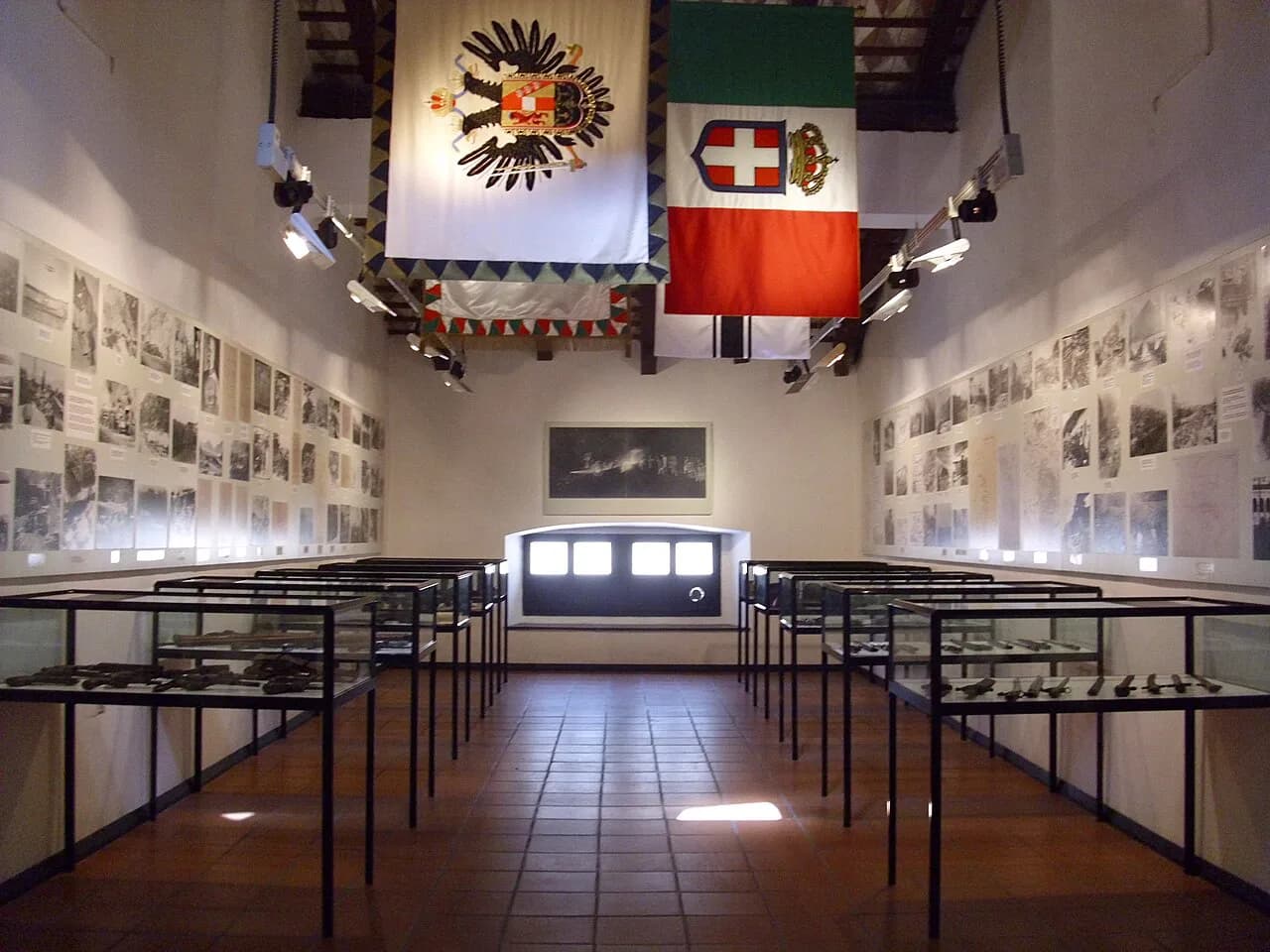
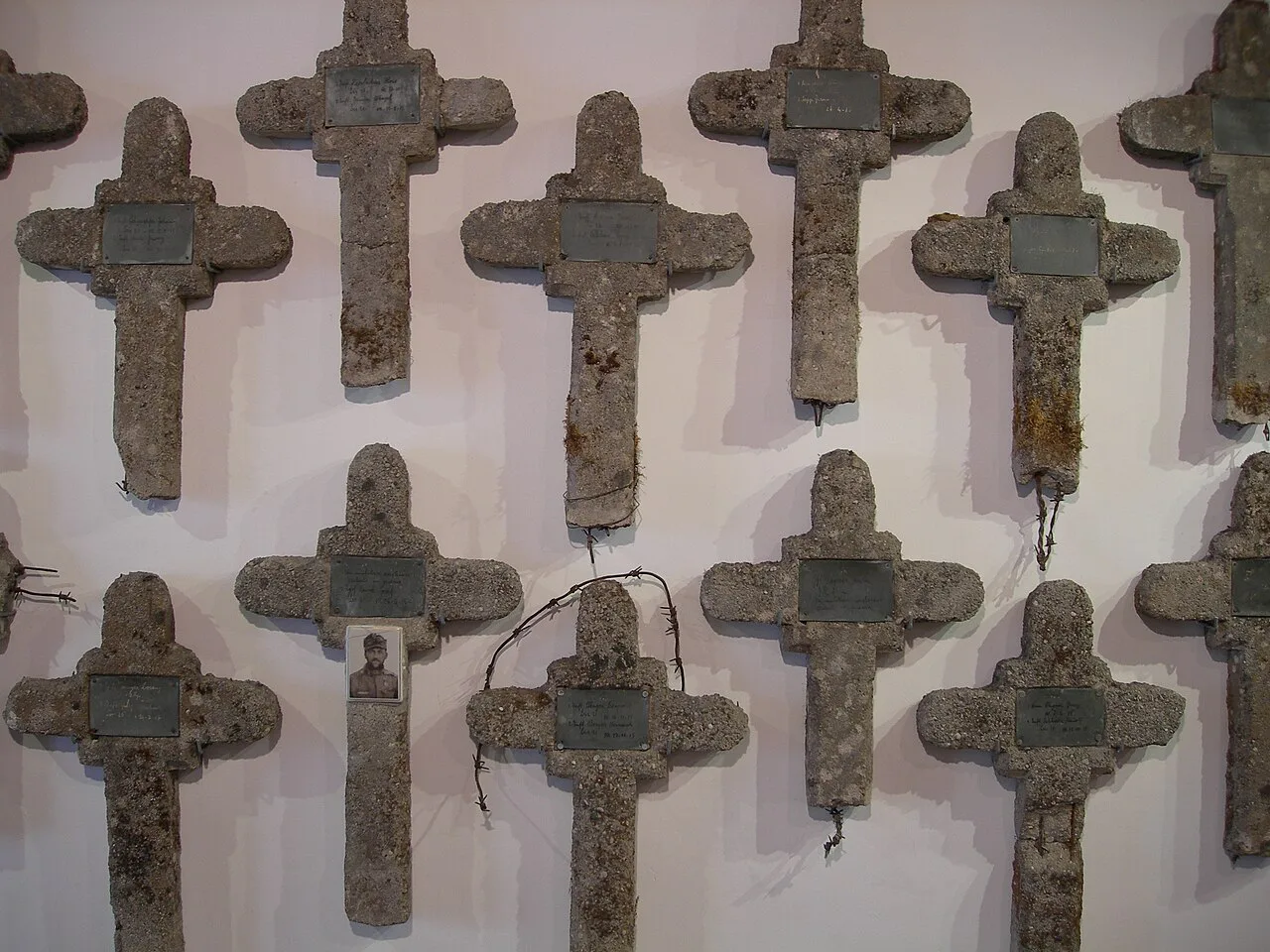
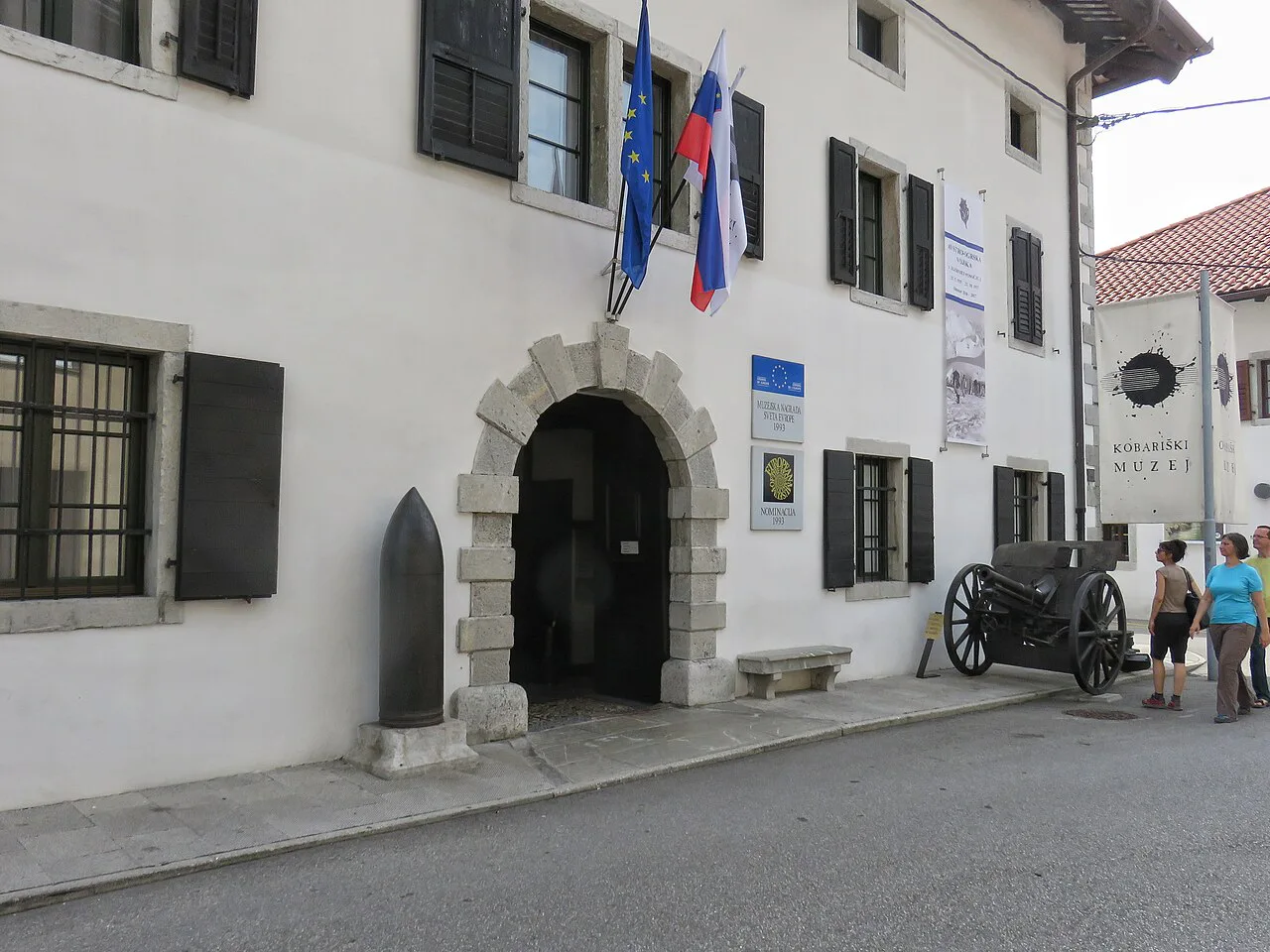
Kobarid is the clearest example of a town museum built around a single subject, the Soča valley's First World War front. If that period interests you, the museum and the surrounding landscape belong in the same day.
The trade-off with regional museums is time against scenery: an hour indoors in Kobarid or Idrija is an hour not spent on the Soča or in the mine. Decide before you park whether the museum is the reason for the stop or the rainy-day backup. Small centers such as Škofja Loka are walkable enough that a museum visit and a town wander fit the same afternoon.
These collections also work as a fallback when weather cancels an outdoor plan, since a town museum needs no timed slot and no clear sky. Keep one in reserve on any day built around a cave, a gorge or a viewpoint, and swap it in without rewriting the route.
Museum castles: Bled Castle Museum and Snežnik Castle as National Museum locations
Bled Castle Museum and Snežnik Castle appear among the National Museum's locations, which makes them castle visits with a curated collection inside rather than empty ruins. Both sit outside Ljubljana, so they work as stops on a driving day rather than a city add-on. Treat the building and the display as one ticket's worth of time.
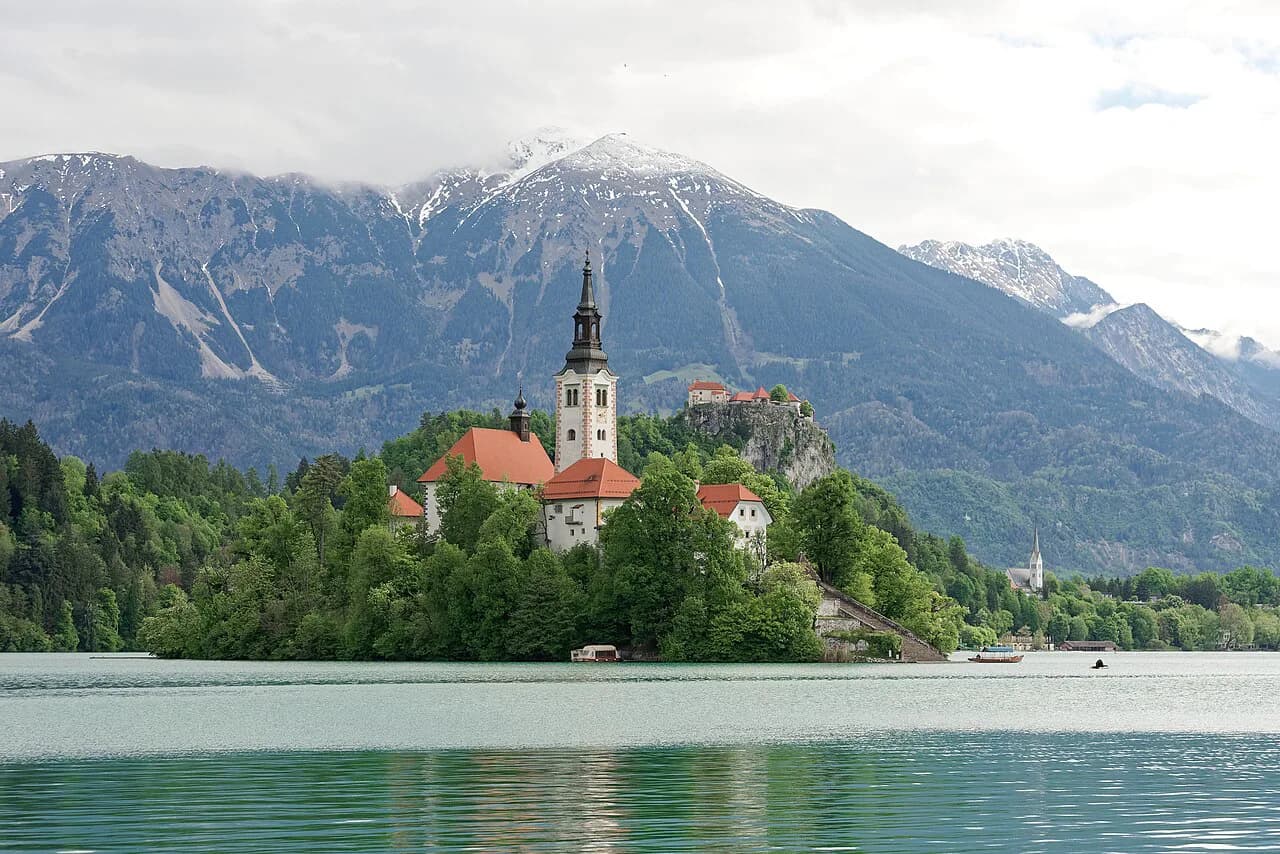
Bled is the obvious pairing, since the castle overlooks the lake and the town is already on most itineraries. Arrive early in summer, when parking around the lake fills and the castle terrace gets crowded, and do the museum before the viewpoint. Snežnik suits a quieter loop through the southern forests and is a different kind of day entirely.
Castle museums are usually reached by road, and the drive is part of the plan. If you are linking a castle to a cable car or a high viewpoint, check the seasonal operation of both before committing to a single day.
Planning a museum stop around timed cave tours and seasonal roads
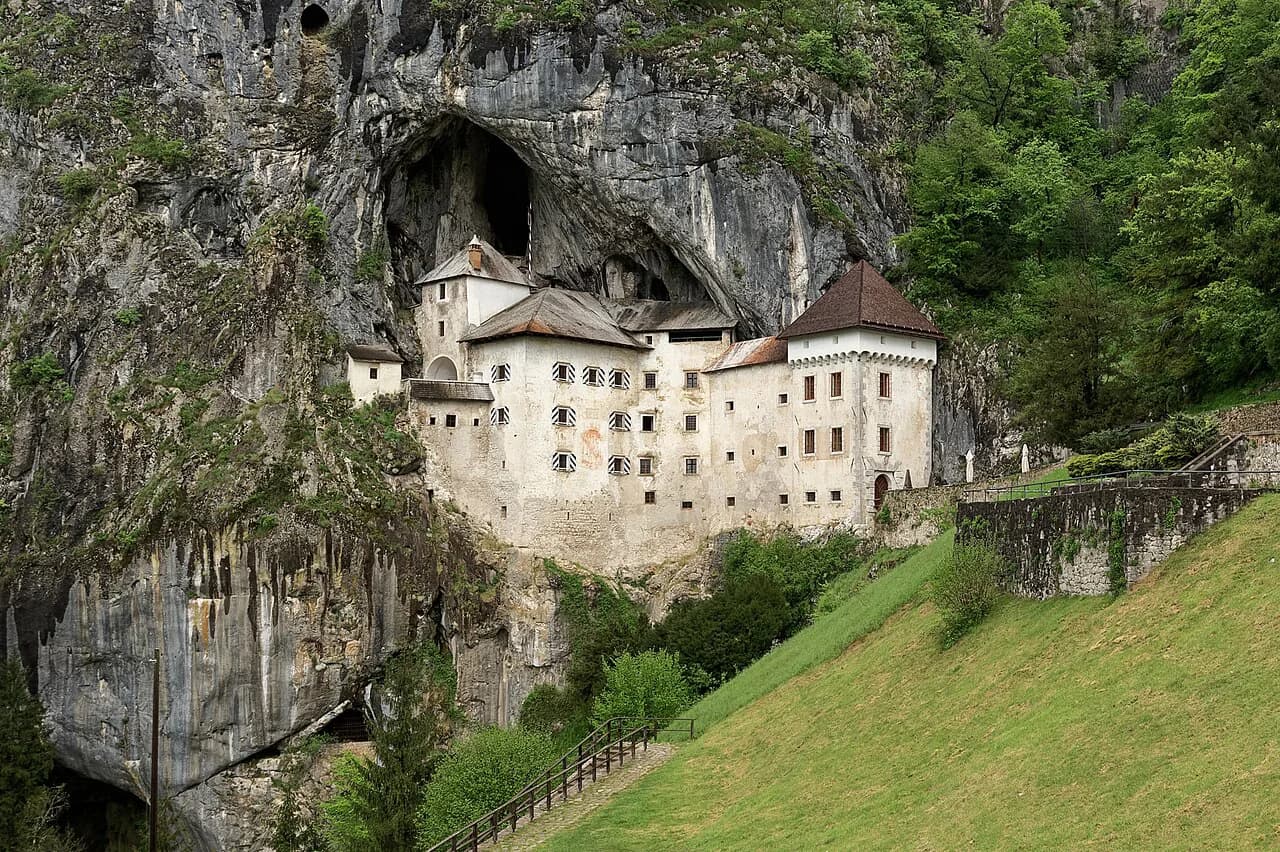
Cave visits in Slovenia run on fixed entry slots, and a museum stop before or after one is the most reliable way to fill the gap without wasting a drive. Book the cave slot first, then place the museum around it, rather than the other way round. That sequencing matters most in summer, when the popular slots sell out.
Some of Slovenia's best-known sites carry UNESCO status, and a museum visit can explain what you are about to see underground or inside a castle. Reading up first turns a cave from a spectacle into a story.
Mountain roads such as the Vršič pass close seasonally, which changes how a museum fits a Julian Alps day. If a road is shut, the indoor stop becomes the anchor and the drive shortens. Build one museum into each driving day as insurance against weather and closures.
Which museum fits a short stop and which needs half a day
Give the National Museum of Slovenia in Ljubljana a half day if you want the flute, the situla and the lapidarium without rushing; the Thursday evening until 20:00 buys you the extra time. Give any regional or castle museum a single hour and keep the rest of the day outdoors. That split is the practical answer to the whole question.
If your trip is mostly lakes and coast, one national museum plus one regional museum is enough indoor time. Adding a third rarely pays off unless the subject genuinely interests you. Guided options can bundle a museum with transport if you would rather not drive.
Should the museum or the landscape win the day?
Choose the National Museum in Ljubljana for the one collection that explains the country, and pick a regional or castle museum only when its subject matches the landscape you are already driving through. Buy the combined ticket if you will see both Ljubljana buildings, and use the free first Sunday only if you can handle the crowds it draws.
Everything else follows from the cave slot or the road closure, not from the museum. Confirm hours and prices on the museum's own site before a holiday visit, then build the day around the fixed appointment.
Explore more Slovenia guides
Sources
Notes for your Slovenia trip
Optional updates to our Slovenia place guides.
You might also like
Continue reading
More guides you'll find useful