Slovenian Breakfast: What's on the Table and How to Order It
A Slovenian breakfast is bread, butter, cheese, cured meat, honey, milk and apples, often with potica or štrukelj on the sweet side of the table.
On this page
A Slovenian breakfast is a spread of bread or rolls, butter, local cheese, cured ham or salami, simply cooked eggs, and something sweet such as potica or štrukelj, with coffee and milk to drink. It is assembled from good ingredients at the table rather than cooked to order, so knowing which version you are ordering matters more than knowing a single national dish. This guide separates the everyday bread-and-coffee morning from the fuller farmhouse table, then covers the bakery counter, the sweet corner, the drinks and the ordering words that get you what you want.
What a Slovenian breakfast actually looks like
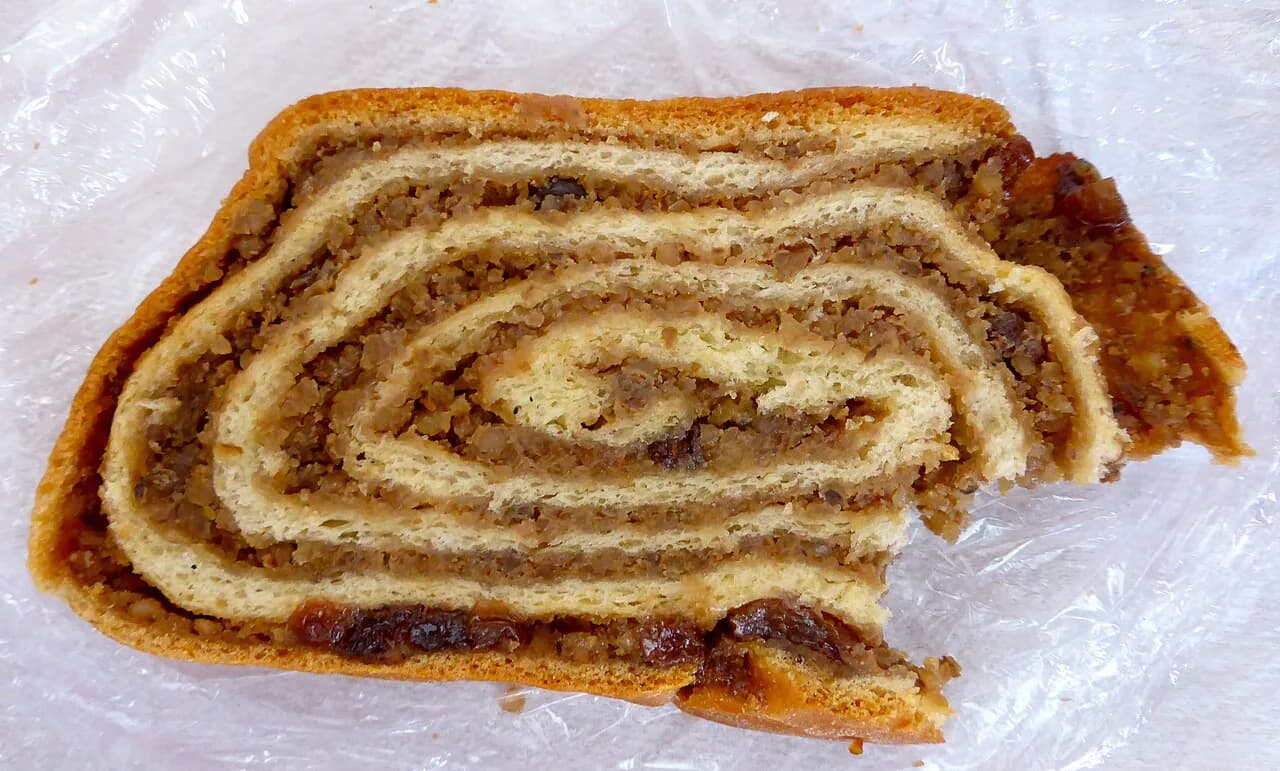
Picture a sliced loaf or fresh rolls, a pot of butter, a wedge of soft or semi-hard local cheese, a few slices of air-dried ham or salami, and a boiled or fried egg if it is a weekend. Next to that sits a sweet slice, most often potica, the rolled yeasted bread with a walnut, tarragon, poppy seed or honey filling, or štrukelj, its filled pastry relative served warm. Seasonal fruit, honey and yoghurt appear when they are around, and coffee with a generous splash of milk is the standard morning drink.
The cured meat on the plate is usually kraški pršut, the Karst air-dried ham, with dry sausage alongside it, and the cheese is a fresh or semi-soft local style rather than a branded import. Bread can be white, rye or a dense mixed loaf, which is why the bakery you pass on the way to the table matters as much as the café itself. Slovenian cheese styles such as Bohinjski sir and Bovški sir are worth recognizing by name when you see them on a breakfast board, and the wider Slovenian cheese landscape is worth a look before you order.
The breakfast is a larder turned into a table, so the quality of the ingredients does the work and there is very little cooking involved. That also means you can build a credible version yourself from a market hall or a bakery, which is often the cheapest and most interesting morning in a Slovenian town.
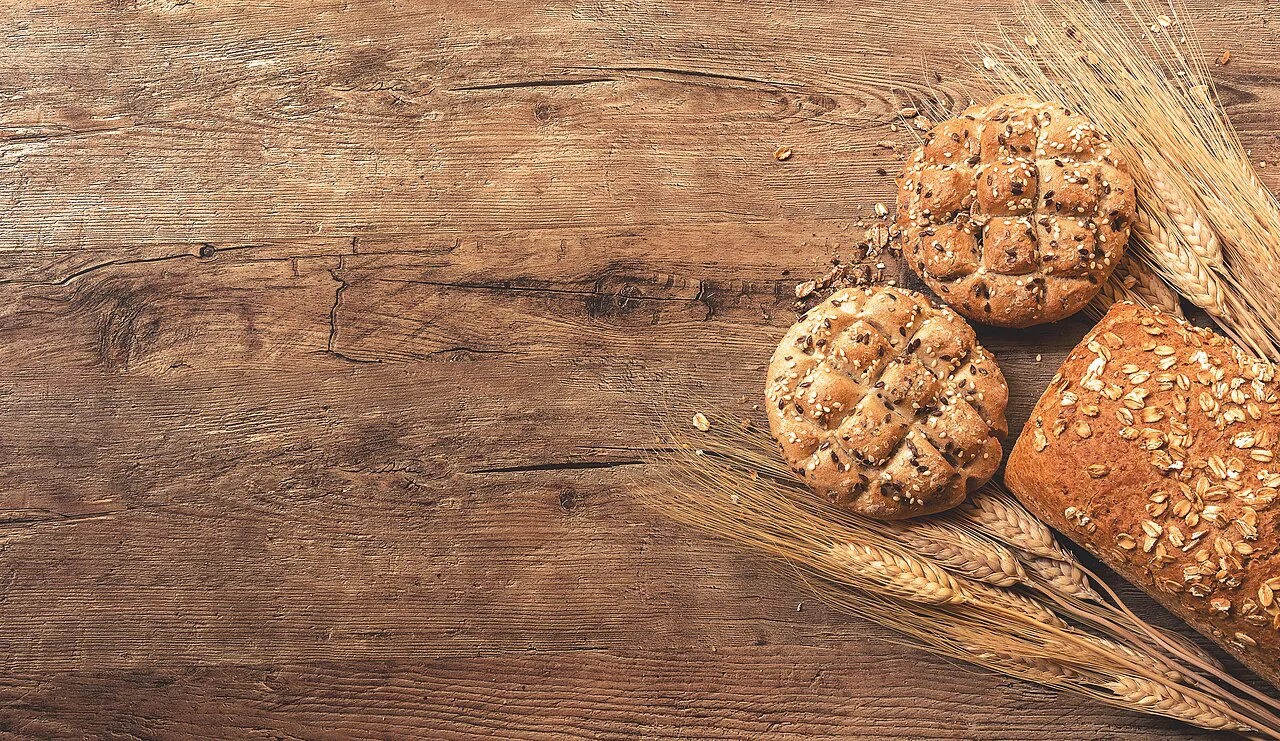
The traditional breakfast plate: milk, honey, butter, bread and apples
The checked version of the Slovenian breakfast is simple: milk, honey, butter, bread and apples or other fresh and dried fruit, all sourced from Slovenian producers. Schools and nurseries have served exactly that combination through the Traditional Slovenian Breakfast project, which has run every third Friday in November since 2011. In 2024 the project marked its 13th year, with the theme milk and dairy products under the slogan “Breakfast with milk – a great day,” and it reached around 86,000 children in nurseries and 200,000 primary school pupils that year.
For a traveler, that plate is the clearest shortlist of what to put on your own morning table: pour honey over buttered bread, add a glass of milk or a spoon of yoghurt, and finish with an apple. It is a light start by design, and it explains why a Slovenian breakfast can look sparse to someone expecting a cooked plate.
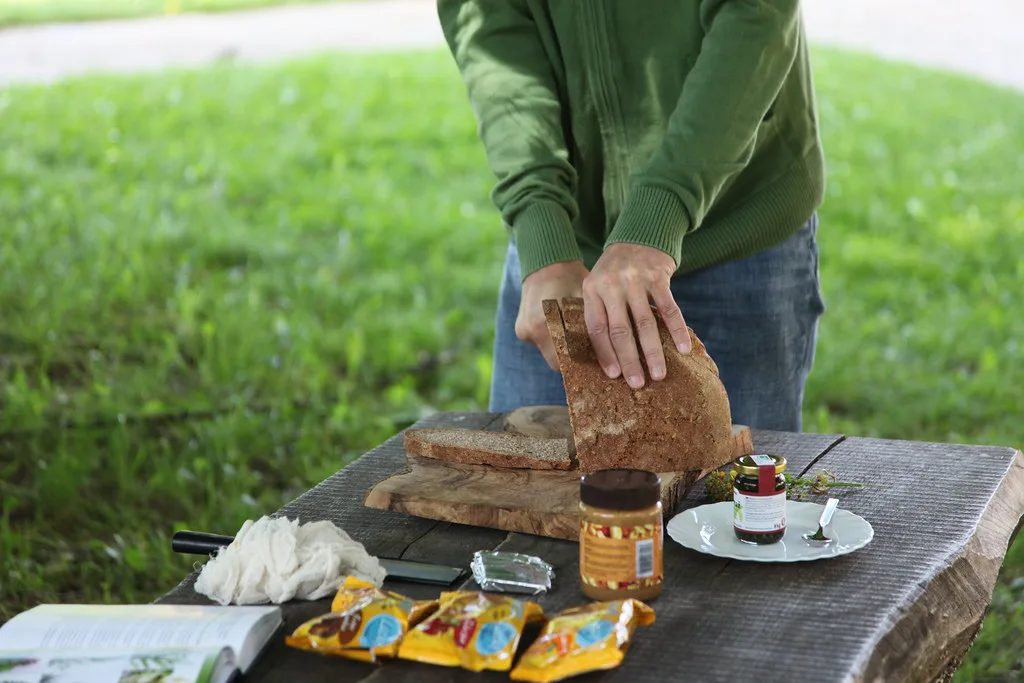
The bakery counter: burek, zavitek and what to pick
A pekarna, the neighborhood bakery, is its own breakfast option, and the counter usually holds both savory and sweet choices. Burek is a layered phyllo pastry baked in a round pan in Slovenia and sold by the slice, with savory quark cheese (sirov burek) and stewed minced pork (mesni burek) as the two standard fillings, plus variations with cheese, spinach, mushroom or even apple and sour cherry. It is a heavy start: a slice is roughly a quarter of a pan-sized pie, thick and rich, and many people eat it with coffee or a yoghurt and nothing else until lunch.
If burek sounds like too much, look for zavitek, the rolled strudel-style pastry that comes with apple, sour cherry, quark cheese, ground walnut, poppy seed or apricot jam, and sometimes in savory versions with spinach and cheese or chicken. A sweet zavitek and a coffee is a lighter, more manageable bakery breakfast and a good way to try the same pastry tradition without committing to a dense slice.
For a bakery breakfast on the coast, Pekarna Center near the Portorož Marina is one named stop whose counter has carried burek and a range of zavitek, including fruit and savory fillings. Treat it as a marker of what a coastal bakery counter can look like rather than a fixed plan.
Sweet corner: potica and štrukelj at the morning table
The sweet slice is the part visitors remember, and it is the detail that marks a table as Slovenian rather than generic Central European. Potica is a yeasted rolled dough wrapped around a filling, classically walnut but also tarragon, poppy seed, honey or crackling in regional versions, and it appears at breakfast, at holidays and at family occasions in between. Štrukelj, the same family of rolled pastry, is served savory or sweet and turns up warm in the more tourist-facing cafés.
Order it plain with coffee, or ask for it toasted with butter if the café offers it, which softens the dough and brings out the filling. If you only meet potica as a festival cake later in the day, you have missed the version that matters at nine in the morning.
Coffee with milk and other morning drinks
Coffee with a good splash of milk is close to universal at the Slovenian morning table, and in older households tea plays the same role. The standard café order is coffee with milk plus something sweet, which is a genuinely Slovenian habit rather than an imported brunch formula. If you want a lighter drink alongside bread and honey, ask for milk or a cultured milk drink such as kislo mleko, which appears on breakfast tables when available.
Judge a café by the pastry rather than the espresso: a good version serves a fresh slice of potica or a warm štrukelj, and that is the signal that the morning table is taken seriously. In pedestrian centers you can compare two or three venues in a single morning without needing transport between them.
How breakfast fits the Slovenian day: a light start, lunch as the main meal
Breakfast is the quietest meal of the Slovenian day. Lunch has historically been the main cooked meal, so many people take only bread and coffee in the morning, sometimes with yoghurt or cereal, especially on working days. The full spread described above is the weekend, holiday and farmhouse version, and that is the one visitors tend to meet in the countryside and in the better cafés and market halls.
Plan your morning accordingly: eat lightly if you have a long lunch ahead, or treat the full spread as the main event on a day built around a market and a walk. Either way, the bakery stop is worth scheduling before the day's other plans rather than squeezed in after them. For the cooked dishes that fill the rest of the day, from Idrijski žlikrofi to Ajdovi žganci, the wider picture of Slovenian food is the place to start planning.
What to order if you want the full spread rather than bread and coffee
Say plainly that you want the full breakfast spread, then ask for bread, butter, cheese, pršut or salami, honey and a slice of potica, with coffee and milk. If eggs are on offer, they are the weekend and farmhouse addition rather than the default, so ask rather than assume. Naming the items individually works better than asking for a “Slovenian breakfast,” which many cafés do not list as a set.
In a market hall, assemble it yourself: bread and rolls from a bakery stall, a piece of local cheese, a few slices of cured ham and a jar of honey cover the core of the table, and an apple finishes it. Covered halls and outdoor stalls carrying exactly those ingredients make an early market breakfast practical, and it also lets you taste before you commit to a larger portion.
If you want the sweet and savory corners explained side by side before you order, the run-through of Slovenian dishes to try covers potica, štrukelj and the cooked plates that follow later in the day. The Kranjska klobasa is a lunch and market-stall story rather than a breakfast one, so save it for after the morning coffee.
Which morning table to choose
Choose the everyday bread-and-coffee morning if you have a cooked lunch planned, and the full spread of bread, butter, cheese, cured meat, honey, milk and apples if breakfast is the main meal of your day. Add a bakery stop for burek or zavitek once, and treat potica or štrukelj as the sweet element that makes the table recognizably Slovenian.
If you want to build the table yourself, shop a market hall or bakery early and eat outside; if you want to be served, ask for the items by name instead of a set menu. Either route gives you the same ingredients and the same light-start logic.
Explore more Slovenia guides
Frequently Asked Questions
Is potica eaten for breakfast in Slovenia?
Yes, potica is a standard sweet slice at the Slovenian morning table, alongside bread, butter, cheese and cured meat. It is a rolled yeasted bread with a walnut, tarragon, poppy seed or honey filling, and it also appears at holidays and family occasions. Cafés may serve it plain or toasted with butter.
What is the difference between potica and štrukelj?
Both are rolled, filled pastries from the same family. Potica is a yeasted rolled dough, classically with a walnut filling, while štrukelj is served savory or sweet and often arrives warm at breakfast in tourist-facing cafés. Ordering one of each is the fastest way to taste the difference.
Do Slovenian cafés serve a set breakfast menu?
No source confirms that cafés list a Slovenian breakfast as a set plate, so ordering the components by name is the safer approach. Ask for bread, butter, cheese, pršut or salami, honey and a slice of potica with coffee and milk, and ask separately whether eggs are available that day.
Sources
Notes for your Slovenia trip
Optional updates to our Slovenia place guides.
You might also like
Continue reading
More guides you'll find useful