Jota Soup: The Sauerkraut and Bean Stew of Trieste and Slovenia
Jota soup is a hearty stew of beans, sauerkraut, potatoes, and pork cooked across Trieste and Slovenia. Here is what goes into it and how families vary it.
On this page
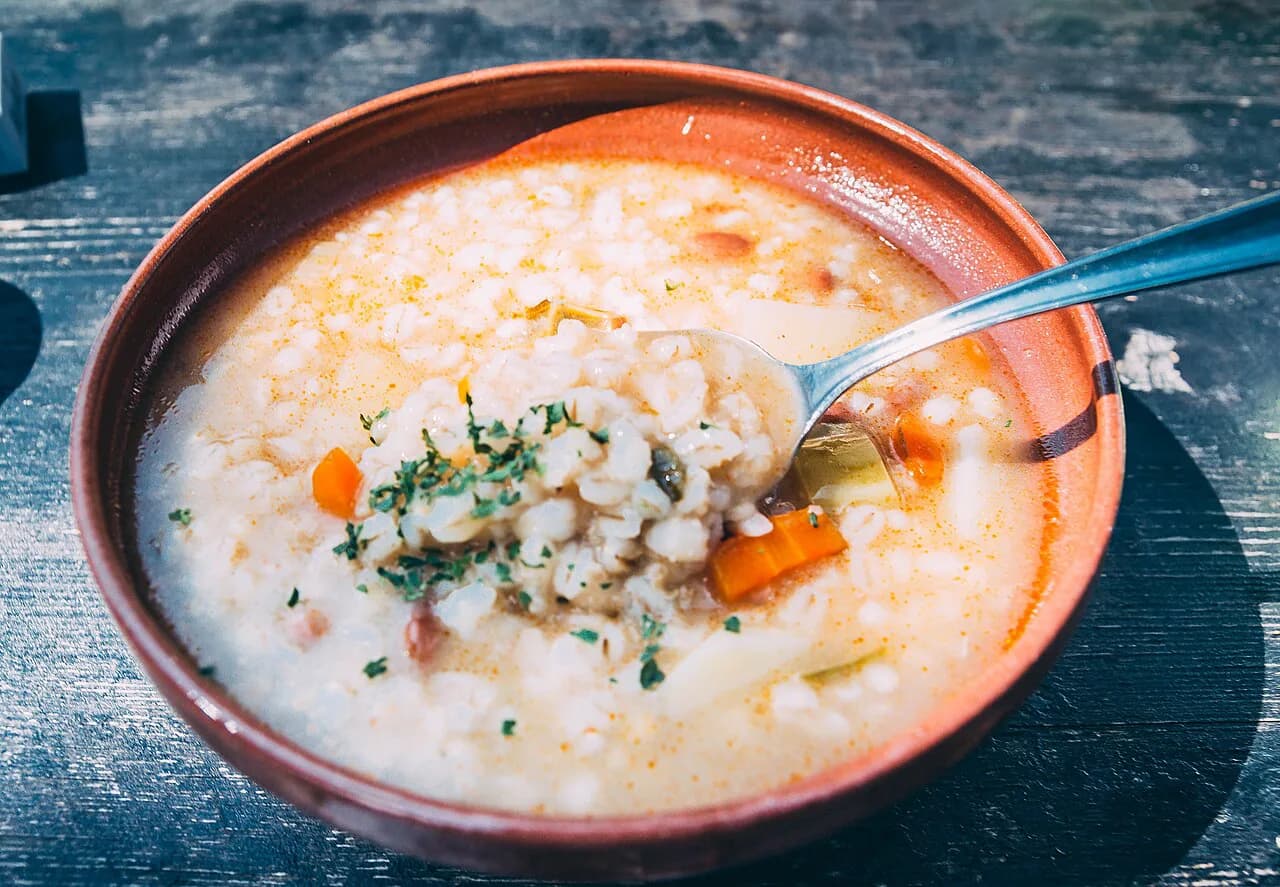
Jota is a hearty stew built on beans, sauerkraut, potatoes, and pork, and it belongs to the borderland where Italy, Slovenia, and Austria meet. Trieste lays claim to it as jota triestina, while Slovenian cooks know it as jota or sauerkraut soup, and both versions share the same sour, smoky backbone. This guide covers the core ingredients, the bean decision, the cooking sequence, and the family variations that change the pot.
What jota soup is
Jota is a thick soup in which sauerkraut and beans carry most of the flavor, with potatoes and pork adding body and smoke. In Trieste it is described as a borderland stew born from trade, travel, and the need to turn simple things into warmth, and families there remember barrels of homemade kraut fermenting in the cellar alongside beans soaking overnight. The result is sour, smoky comfort food rather than a delicate broth.
On the Slovenian side, the same pot appears as jota or Slovenian sauerkraut soup, blending sauerkraut and smoked meats with tomato sauce in one published home recipe. That tomato addition is the clearest marker of the Slovenian style, and it shifts the color and acidity of the finished bowl. Neither version is presented as the definitive original; they are two branches of one dish.
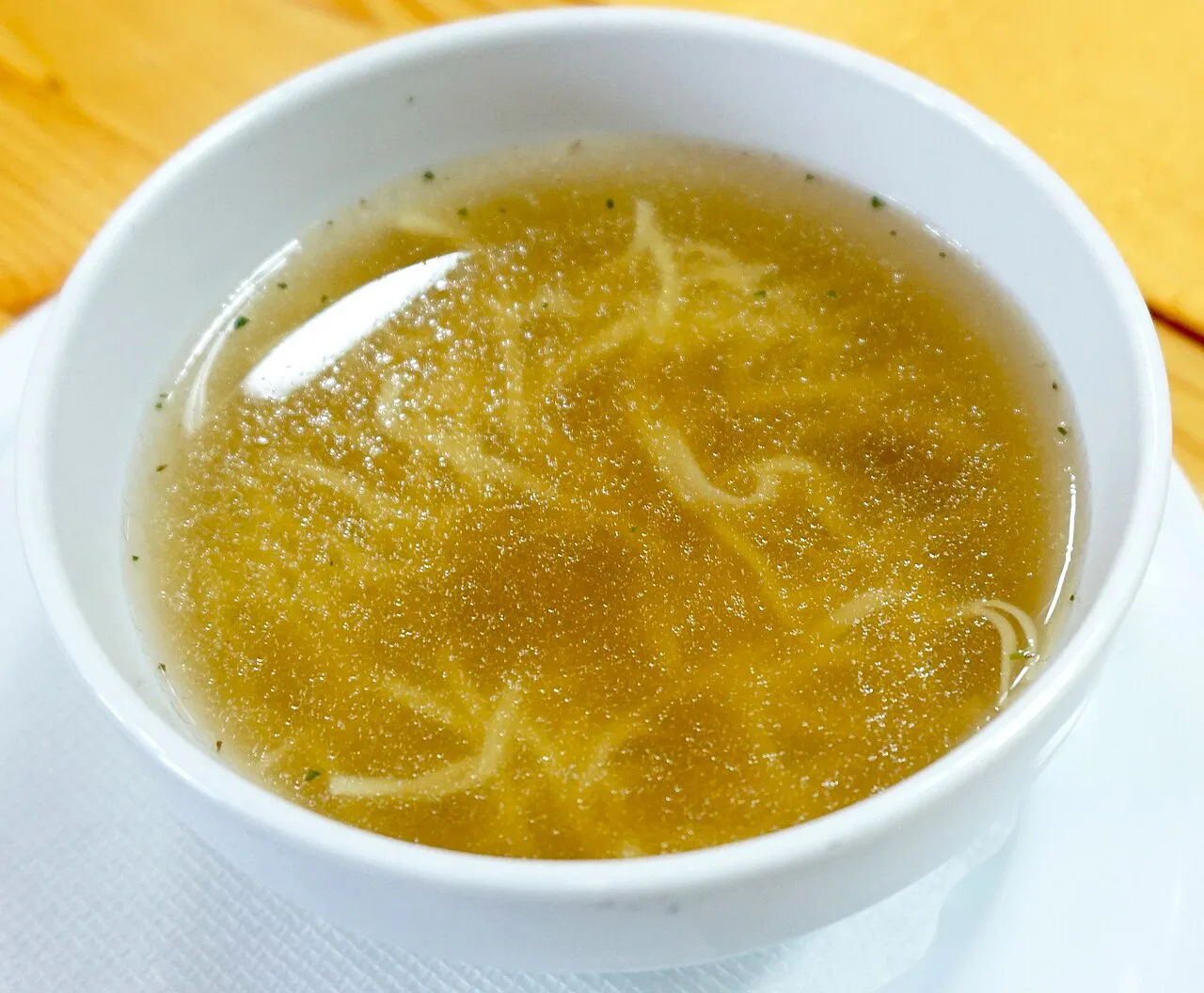
Core ingredients: beans, capuzi grabi, potatoes, and pork
The two non-negotiable ingredients are beans and sauerkraut, which Triestines call capuzi grabi. Anyone from Trieste will tell you that jota is made with capuzi grabi and nothing else passes, and the city's cooks boast of using it since the time of Charlemagne. Loose sauerkraut sold from the market is the traditional choice over the canned product.
Potatoes are the thickener: some families mash or chop them into the pot to increase the density of the consistency, while others leave them out. Pork arrives as spare ribs or a ham bone to make the stew more savory, and the Trieste description adds pork scraps saved from the butcher. The recipe below serves four to six and takes about two hours plus bean soaking if you start from dried beans.
Jota sits alongside other starch-and-pork Slovenian cooking, and if you want the wider map of the cuisine before you cook, the guide to Slovenian food covers the dishes that share its pantry. The same smoked-and-sour profile shows up in other regional plates, so a pot of jota is a good entry point to the cooking of the Karst and the coast.
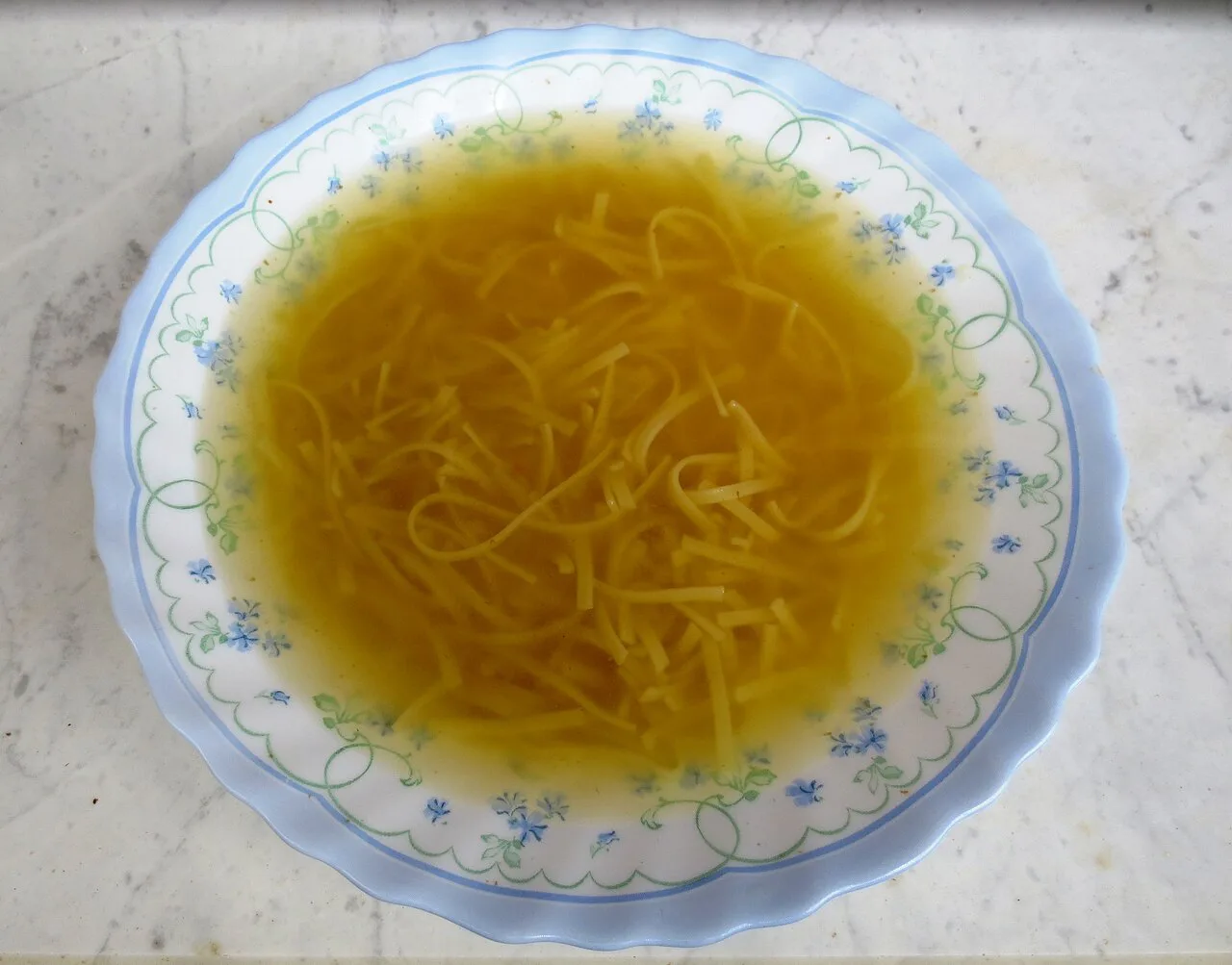
Beans: black-eyed peas versus kidney beans
The bean choice is a real fork in the recipe. The Trieste version calls for fasioi co l'ocio, the white beans with the speck, generally known in English as black-eyed peas, and a published version uses 500 grams of black-eyed peas. A Slovenian-style home recipe instead calls for a 30-ounce can of kidney beans, drained, which gives a darker, meatier pot.
Black-eyed peas soften quickly and keep a clean, mild flavor that lets the sauerkraut lead, while kidney beans hold their shape and add a denser texture. Dried beans need an overnight soak, which is why Trieste families set them up the night before; canned beans skip that step but cut some of the depth. Pick based on how sour and how thick you want the finished bowl.
How jota is built, step by step
The published Trieste method boils the beans until softened, then passes half of them to thicken the pot while the rest stay whole. In a separate pan, the sauerkraut is blanched under water and is ready when the water has been used up. Meanwhile a sauté of oil, flour, and garlic goes into a saucepan, and that flour-and-oil base is what gives jota its body.
The sauerkraut then joins the beans and comes back to a boil, the sauté is stirred in, and the pot cooks for about 40 minutes. The grandmothers' advice is to stir continuously, both to avoid lumps and to keep the bottom from burning. Salt and pepper go in at the end, and the soup is served hot.
The Slovenian-style recipe starts differently, softening chopped onion and diced bacon with garlic before the beans and sauerkraut go in. That order builds the smoke and sweetness first and lets the sauerkraut cook down into the fat. Either route rewards a wide, heavy pot and a spoon that reaches the corners.
Why jota tastes better the next day
The Trieste recipe is explicit that jota is best eaten the next day. The sourness of the sauerkraut mellows overnight, the beans drink up the broth, and the smoked pork spreads through the whole pot. Cook it a day ahead and reheat gently rather than boiling hard, which breaks the beans.
That next-day improvement is also why jota suits a cold-weather menu: it is described as lasting all week when the Adriatic winds hit hard. If you are cooking for guests, make it the day before and keep it covered in the refrigerator. The flavor deepens and the timing pressure disappears.
Trieste and Slovenian variations
The Slovenian version adds tomato sauce to the pot, which gives the stew a redder color and a rounder acidity than the Trieste style. Spare ribs or a ham bone go into the Trieste version for extra savor, and each family prepares jota with a unique and personal recipe. Some cooks keep it vegetarian, which is lighter but no less tasty, and that route depends on good sauerkraut rather than pork.
A published Slovenian-style recipe lists onion, bacon, garlic, kidney beans, sauerkraut, and potato as its core, which is a compact shopping list for a first attempt. The dish also shares its smoked-pork logic with the Carniolan sausage and other Slovenian charcuterie, so a cook interested in the wider kitchen can read about Kranjska klobasa before deciding what to serve alongside.
Common mistakes: lumps, scorching, and undercooked sauerkraut
The two failures the Trieste recipe warns against are lumps and scorching. Add the flour-oil sauté slowly and keep stirring, because a dump of flour into the pot seizes into paste. Blanching the sauerkraut first, until its water is gone, keeps the finished soup from tasting raw and thin.
A heavy pot and a low simmer protect the bottom, and stirring reaches the corners where beans catch. If you use kidney beans from a can, drain them first as the recipe directs, since the packing liquid dilutes the smoke and sourness. Taste before adding salt, because sauerkraut and cured pork already carry plenty.
Where jota fits on a menu
In Trieste, jota is described as an ideal soup for the coldest winter days and appears on the city's laid tables in the cold months. Treat it as a first course or a one-bowl supper, with bread to soak up the broth. It is autumn and winter cooking rather than summer food.
On a Slovenian table it would sit alongside the wider set of Slovenian dishes to try, from dumplings to štruklji, as the warm opening rather than the centerpiece. Serving it before a roast or after a plate of kraški pršut keeps the meal in the same register. A small bowl is enough, because the stew is dense.
Which pot to cook first
Start with the Trieste version if you want the sour, smoky baseline: black-eyed peas, capuzi grabi, a flour-and-oil sauté, and no tomato. Cook it a day ahead, stir often, and taste before salting. Once that pot is right, add tomato sauce and kidney beans for the Slovenian style and compare the two.
Neither version needs special equipment, but both reward time and a heavy pot. The variables worth adjusting are the bean type, the amount of pork, and how far the sauerkraut cooks down. Keep notes on your own pot, because the family-recipe logic of jota means the best version is the one you settle on.
Explore more Slovenia guides
Frequently Asked Questions
Why is jota called jota?
The name is said to derive either from iota, the Greek letter, or from the late Latin jutta, meaning broth or mash. The dish itself is a thick soup of beans and sauerkraut, so either root fits a pot that is more mash than clear broth.
Can you make jota with canned sauerkraut?
The traditional Trieste approach uses loose sauerkraut sold from the market rather than the canned product. If canned is what you have, blanch and drain it well before it goes into the pot, since the packing liquid is salty and sharp. Taste before adding salt.
Is jota the same as Slovenian sauerkraut soup?
They are two versions of one dish. The Slovenian style blends sauerkraut and smoked meats with tomato sauce, while the Trieste version leans on beans, capuzi grabi, potatoes, and pork without tomato. Both are thick, sour, and smoky.
Sources
Notes for your Slovenia trip
Optional updates to our Slovenia place guides.
You might also like

Continue reading
More guides you'll find useful