Bears in Slovenia: Where They Live and How Bear Watching Works
Brown bears live in Slovenia's southern forests, with most in Kočevsko. Here is where they are, how guided hide watching works, and how to behave in bear country.
On this page
The bears in Slovenia are Eurasian brown bears, Ursus arctos, and most of them live in the southern forests around Kočevsko and the Notranjska region rather than in the Alps near Bled. You see them by booking a guided hide session in those forests, not by walking around a lake hoping to meet one. This guide covers the population, where the forest core sits, how a hide evening works, and how to behave in bear country.
What kind of bears live in Slovenia
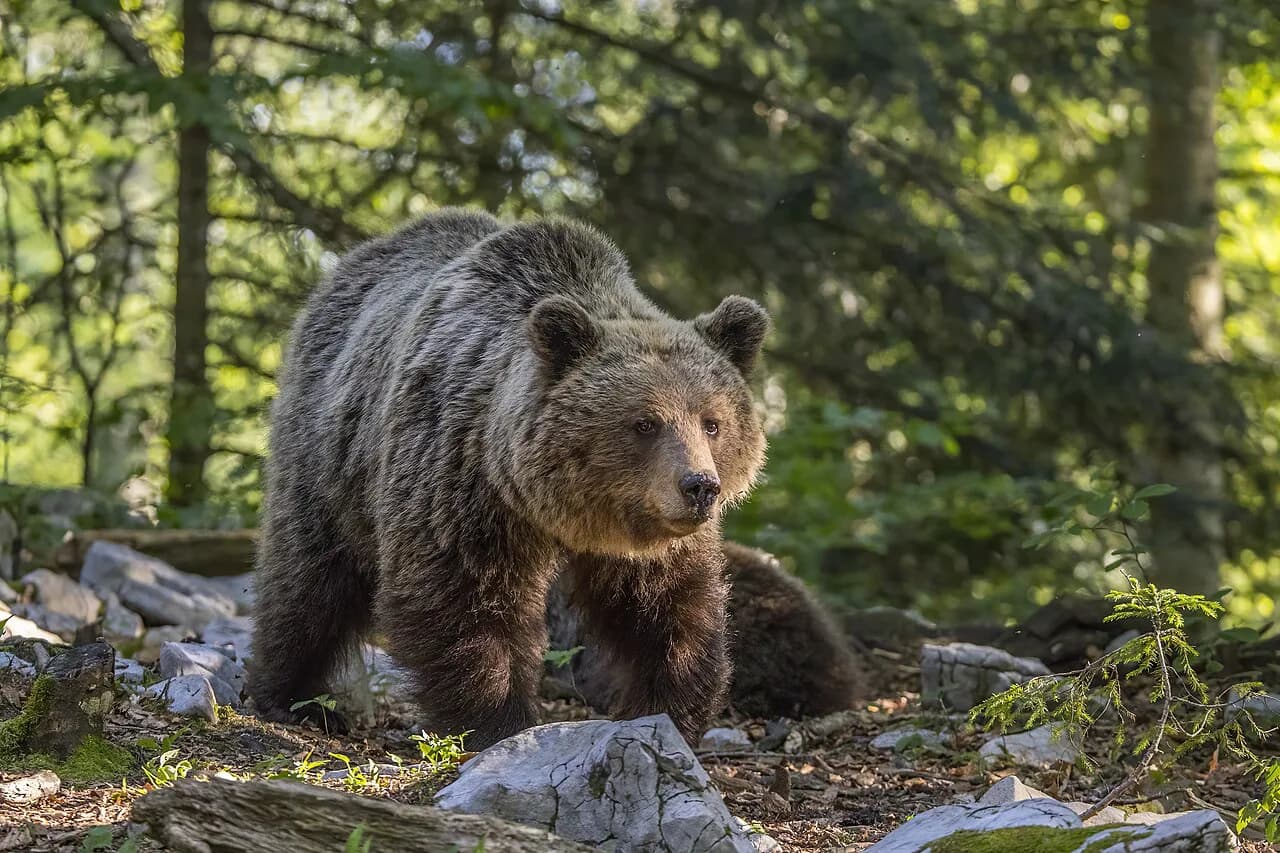
Slovenia's bears are Eurasian brown bears, the same species listed by Visit Good Place alongside the grey wolf and lynx as the three large carnivores present in the country. That framing matters for planning: a bear-watching trip is a forest trip after large mammals, not a zoo visit. The bear itself is described by Kočevsko as the largest representative of carnivorans in the Kočevsko forests.
How many brown bears there are and where the population is concentrated
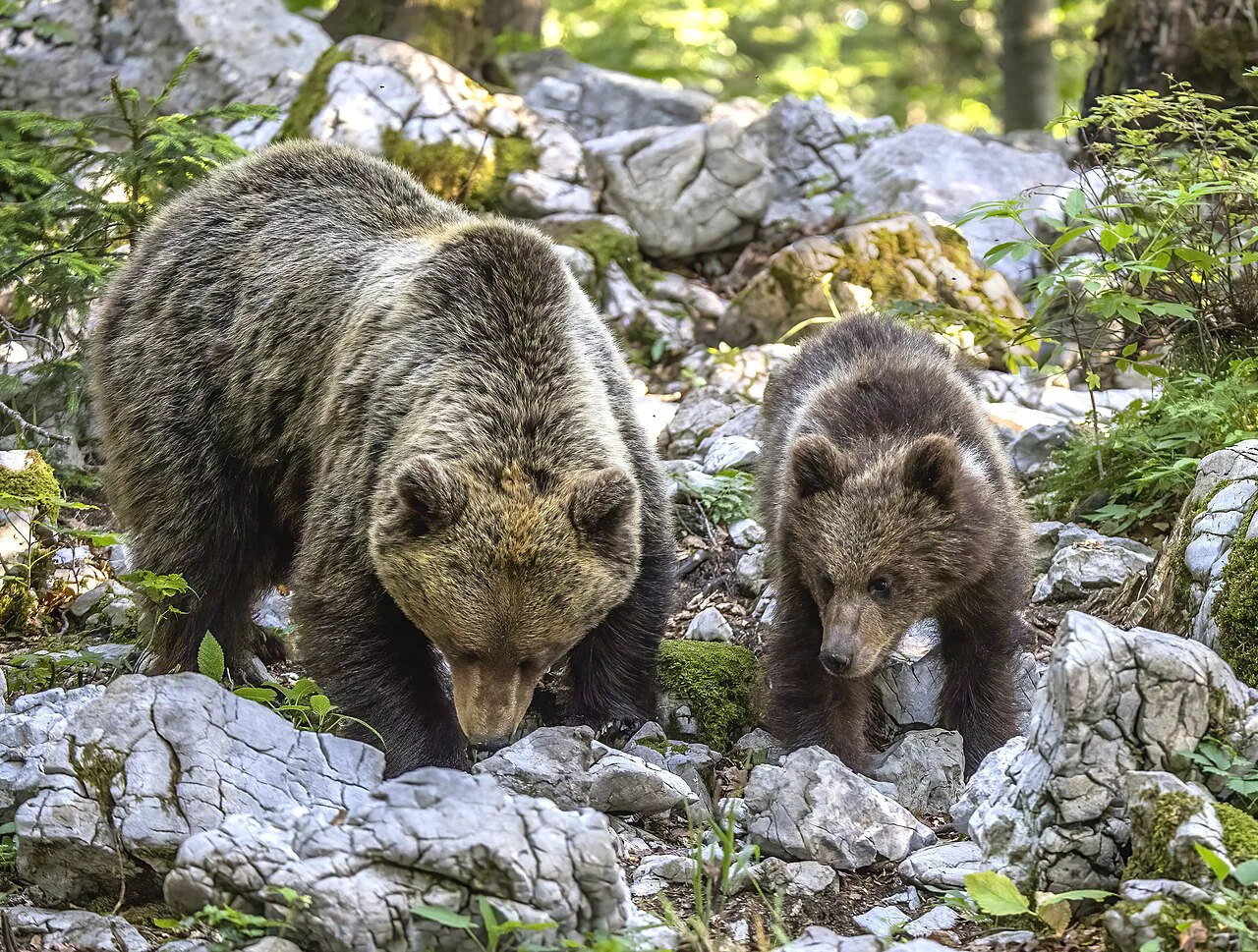
Visit Good Place puts Slovenia's brown bear population at 400–500 animals and says most of them are found in the Kočevsko forests. Treat that as that operator's figure rather than a fixed census, since populations shift. Kočevsko describes its region as known for the highest density of wild bears in their natural environment, which is why the south, not the Julian Alps, is where bear-watching outfits operate.
Why Kočevsko and the Notranjska forests are the core bear country
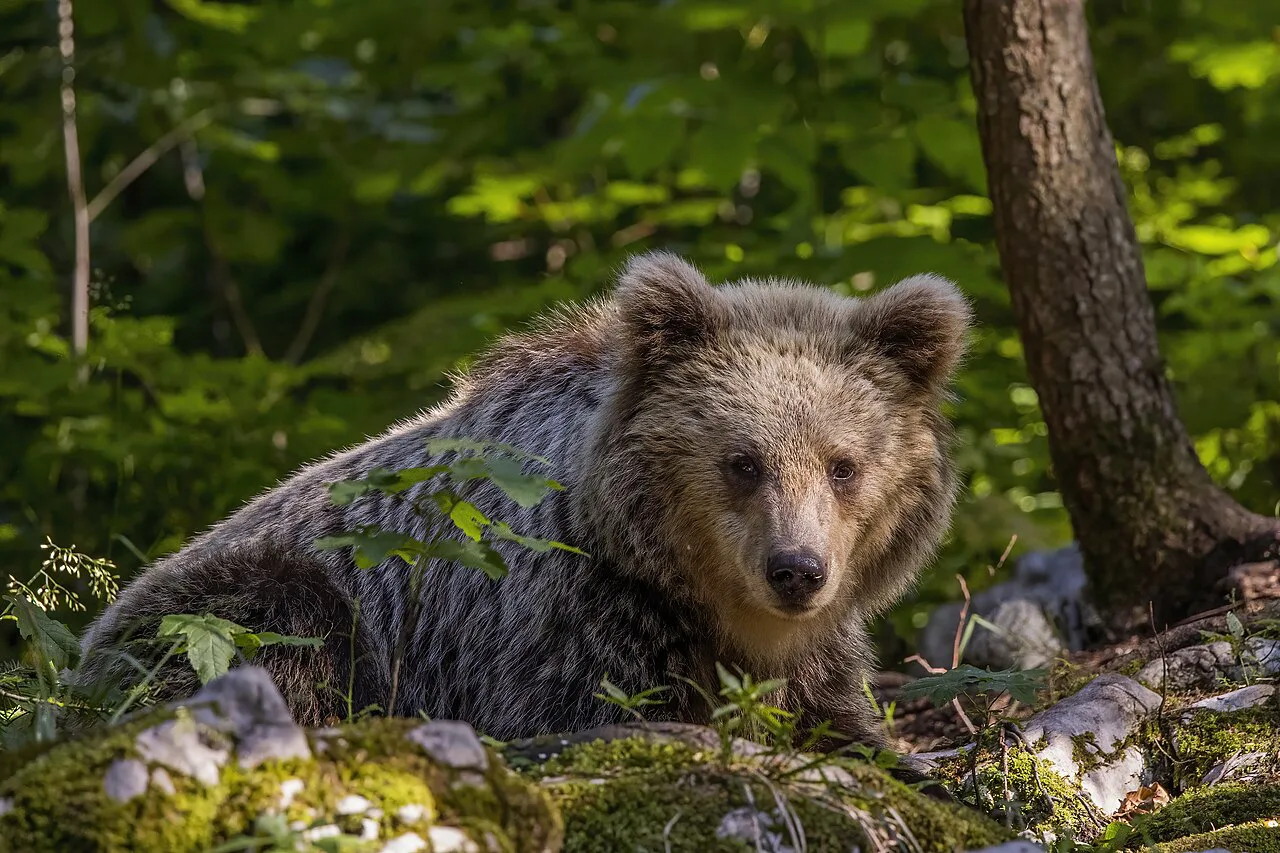
The bear zone runs across the Dinaric Alps of southern Slovenia, with Kočevsko on one side and the Notranjska region on the other. Wildlife Worldwide's itinerary places bear hides in the Notranjska Region across settings that include Dinaric Karst forest, spruce forest with moss-covered rocks, and forest clearings, with Lake Cerknica a short drive away. Slovenian Bears describes its network of photo hides as covering the Notranjska and Kočevska regions, so both areas are realistic bases for a hide booking.
Forest, not farmland, is what makes this work. Visit Good Place notes that almost 60% of Slovenia is forested and that Kočevsko holds remains of virgin forest where nature has been left alone, which is the habitat the bears use. If you are building a longer nature-focused route around the south, the broader Slovenia nature pages are a sensible place to slot this in.
How guided bear watching from a hide works, step by step
A hide evening is a staged, quiet operation. Ekorna Experience describes the format: a driver collects you, you transfer to a forest ranger or guide in a terrain vehicle, and after a short walk you settle into an above-ground observatory to wait. The transfer is where you ask your questions, because talk stops as you near the hide.
The waiting is the point. Guests sit silently for about 2–3 hours, and Ekorna says the near-total silence is what gives you a chance of seeing animals, which is also why the experience is not suited to small children. Wildlife Worldwide's version runs the same way from the other side, with hides positioned for photography and time in them scheduled for mid to late afternoon.
No operator guarantees a sighting. Ekorna states plainly that spotting bears or other animals is almost certain but never 100% certain, because these are wild animals in their natural habitat. Plan the evening as a forest experience with a good chance of bears rather than a ticketed certainty, and bring warm, quiet clothing for the wait.
When in the year bear watching runs and why it happens in the afternoon
Season, according to the operators, is spring through autumn. Visit Good Place lists an April to October season for its bear-watching day tour, while Ekorna says bears usually come out between May and October and that the exact pickup hour shifts with the time of year, typically landing after lunch. The afternoon-to-evening timing is set by animal behavior, not by convenience.
Book through the operator directly so you get the actual pickup point and time for your date, since those details change across the season.
How long you sit in a hide and how many people fit in one
Hides are small. Ekorna notes that observatories take no more than 4 people, and that most bear-watching spots have two observatories so a larger group can split in two. That cap shapes how you book a group: a party of six will need to be divided rather than seated together.
Combine the group size with the 2–3 hour silent wait and the format becomes clear: this is a small-group, low-chatter activity. Anyone in your group who cannot stay still and quiet for that long will reduce everyone's chances.
What else you might see from a hide: wolf, lynx, deer, birds
Bears are the headline, but the hides look into working forest. Visit Good Place lists bear, wolf, lynx, deer, badger, forest birds, owls, and water birds as possible sightings on its day tour. Ekorna adds roe deer and mentions that a lucky evening might bring wolf or lynx alongside the bear.
Photographers get a different setup. Wildlife Worldwide describes hides conceived with photographers in mind, plus a bird photography hide with a reflection pool near its Notranjska guesthouse that it says is productive in the warm summer months. If your priority is images rather than a family evening out, ask the operator which hide type fits your lens and patience.
Self-drive vs. a day tour from your base: what each involves
The self-drive model means you handle the road yourself and stay near the forest. Wildlife Worldwide's version bases guests at a guesthouse in Retje for four nights, drives them into the Notranjska hides each afternoon, and notes the transfer from the Ljubljana airport area south takes about one hour on good roads. That suits travelers who want to pair bears with other southern sights such as the limestone caves and Lake Cerknica nearby.
The day-tour model puts the driving in someone else's hands. Ekorna picks you up at your location, transfers you to the forest in a terrain vehicle with a ranger, and returns you after the session, which works if you are based in a town and do not want to relocate for one evening. The trade-off is less flexibility and a longer day, since the drive is part of the package.
Whichever you choose, book through a licensed operator rather than driving into the forest at dusk on your own. These experiences run with a ranger or guide in the forest, and the hide access is arranged through the operator.
How to behave in bear country: noise, food waste, dogs
Kočevsko's guidance is straightforward and worth repeating in order. Bears dislike surprises, so make enough noise to announce yourself, especially in dense vegetation and places you cannot see into. Never feed a bear, and do not approach one that is feeding on a carcass, since it may defend the food.
Food waste and dogs are the two practical traps. Kočevsko says not to leave food waste or organic waste in the forest, near mountain huts or at the forest edge, and to use bear-proof bins or carry it out. Keep your dog on a leash, because a dog that meets a bear may lead it straight back to its owner.
What to do if you actually meet a bear
Encounters are rare, and Kočevsko notes that bears are cautious animals that usually detect people first and leave before you notice them. If you see a bear at a distance, move slowly back the way you came and leave it room to continue. If it has not noticed you, speak calmly so it identifies you as human, then withdraw slowly.
If you find yourself close, stand still, stay calm, and move slowly in the direction you came without sudden movements or screaming. Never run and never climb a tree, because Kočevsko notes bears can reach speeds up to 50km/h and are good climbers. A bear standing on its hind legs is checking its surroundings out of curiosity, not aggression.
In the uncommon case of a charge or false attack, Kočevsko advises standing still or lying face-down, protecting your head, neck, and face with your arms, and staying passive until it ends. Do not approach cubs, even ones that look abandoned, and keep away from the area. These rules apply on any forest walk in the south, not just on a hide evening.
Bears around Lake Bled and Triglav National Park: what to expect
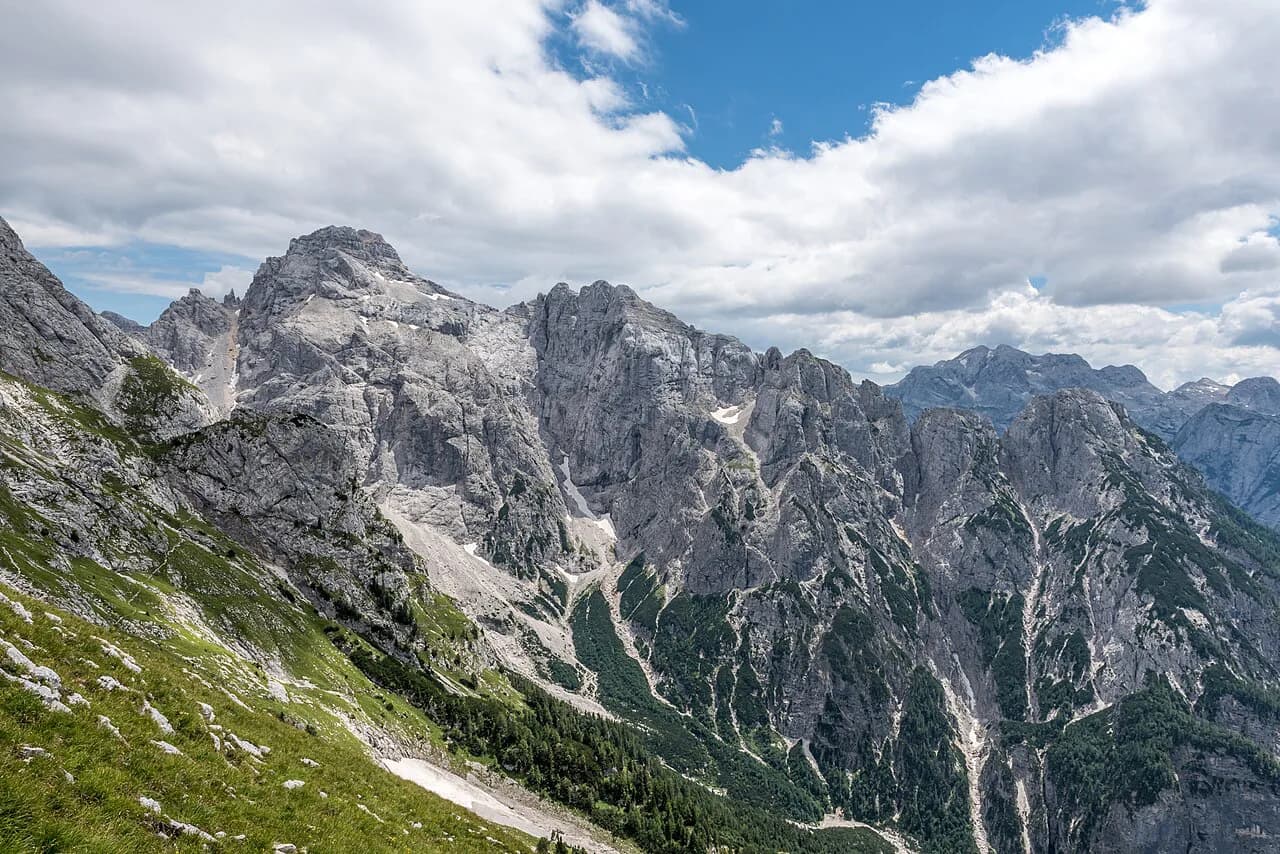
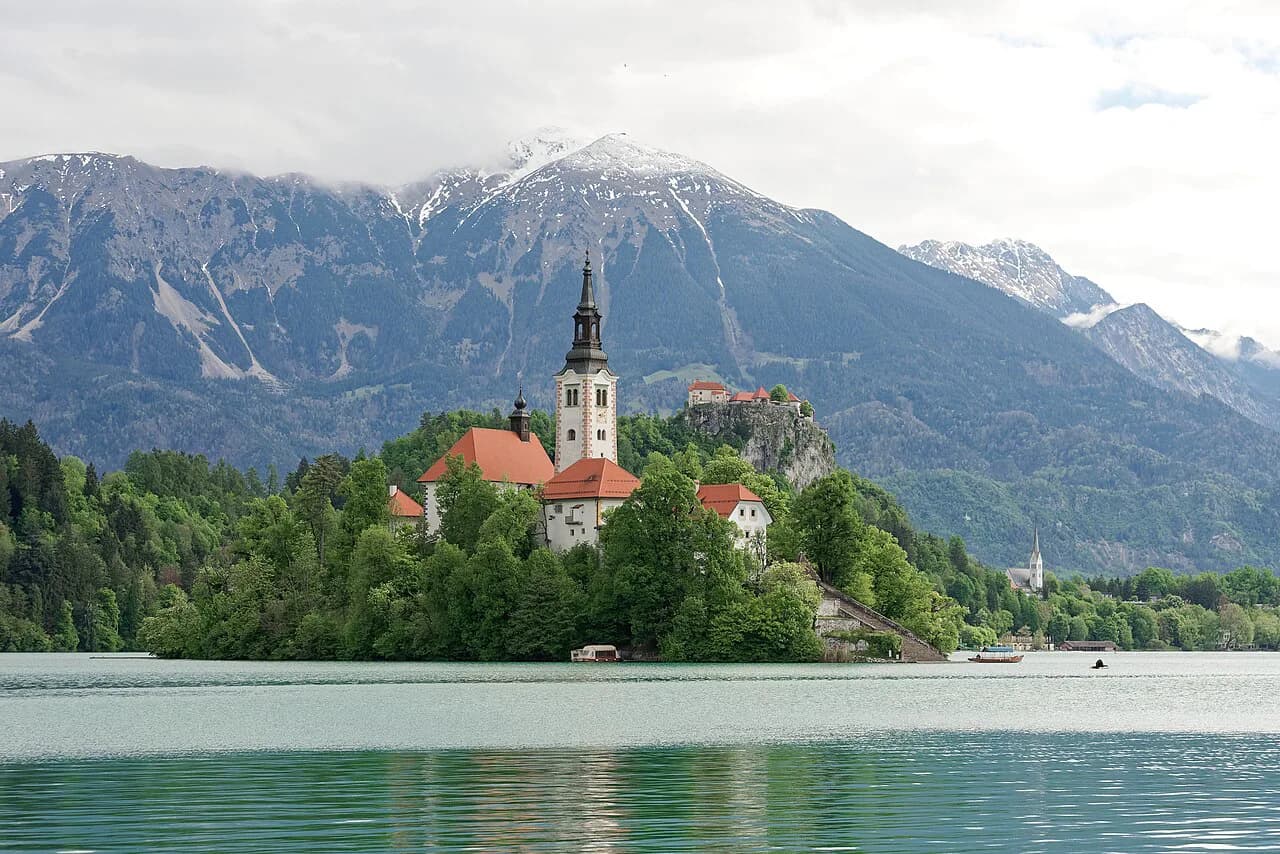
Bled is a lake town in the Julian Alps, and the bear country is a separate region to the south. Wildlife Worldwide's itinerary pairs three nights at Vila Bled on the lake with four nights of bear watching in the Dinaric Alps, treating them as two distinct legs with a drive of just over an hour between them. The lake itself is for the shoreline walk, the cliff-top castle, and Bled Island, not for bear hides.
Triglav National Park sits roughly 30 kilometers from Bled, and Wildlife Worldwide lists chamois, Alpine ibex, and Alpine marmot among its wildlife. If you want a mountain day alongside the bear evening, this is the national park to look at, and the broader Slovenia National Parks guide helps you plan it.
Should you add a bear-hide evening to your Slovenia trip?
Add a hide evening if you can give up one afternoon and evening in the south, accept a silent 2–3 hour wait in a four-person observatory, and treat a sighting as likely but not guaranteed. Skip it if your trip is built around Bled, Bohinj, or the coast, since the bear forests sit a long drive away in the Dinaric Alps.
Choose self-drive if you want to pair bears with the Notranjska caves and Lake Cerknica, and a day tour if you would rather be collected and returned. Book through the operator directly for the season window, pickup point, and group split, since those details change with the date.
Explore more Slovenia guides
Sources
Notes for your Slovenia trip
Optional updates to our Slovenia place guides.
You might also like
Continue reading
More guides you'll find useful