Slovenia Forests: Where the Woods Are and How to Visit Them
Slovenia's forests cover much of the country, and two beech reserves are UNESCO World Heritage sites. Here is how to visit the Kočevje woods and forest trails.
On this page
Two Slovenian forest reserves hold UNESCO World Heritage status, inscribed in 2017 as part of the Ancient and Primeval Beech Forests of the Carpathians and Other Regions of Europe. That listing is the clearest reason to plan a forest day in Slovenia rather than treat the woods as scenery between lakes. This guide covers the Kočevsko reserves, the Borovška Nature Trail, the forestry system behind them, and where the larger forest regions sit on the map.
The organizing idea is simple: most of the wooded country you drive through is working forest, and the reserves are a small, strictly protected subset of it. Treat the two as different visits with different rules. Distances, access roads and any permits are things you confirm with the Slovenian Forest Service before setting out, since none of that is fixed from season to season.
How much of Slovenia is forest
Slovenia is heavily wooded, and the country reports its forest data to European databases that track cover and change over time. The Forest Information System of Europe publishes a Slovenia country profile compiled from that national reporting, which is the place to start if you want figures rather than adjectives. For a visual sense of where the tree cover sits, a satellite-based tree cover map shows the dark green belt running from the Kočevje region toward the Julian Alps.
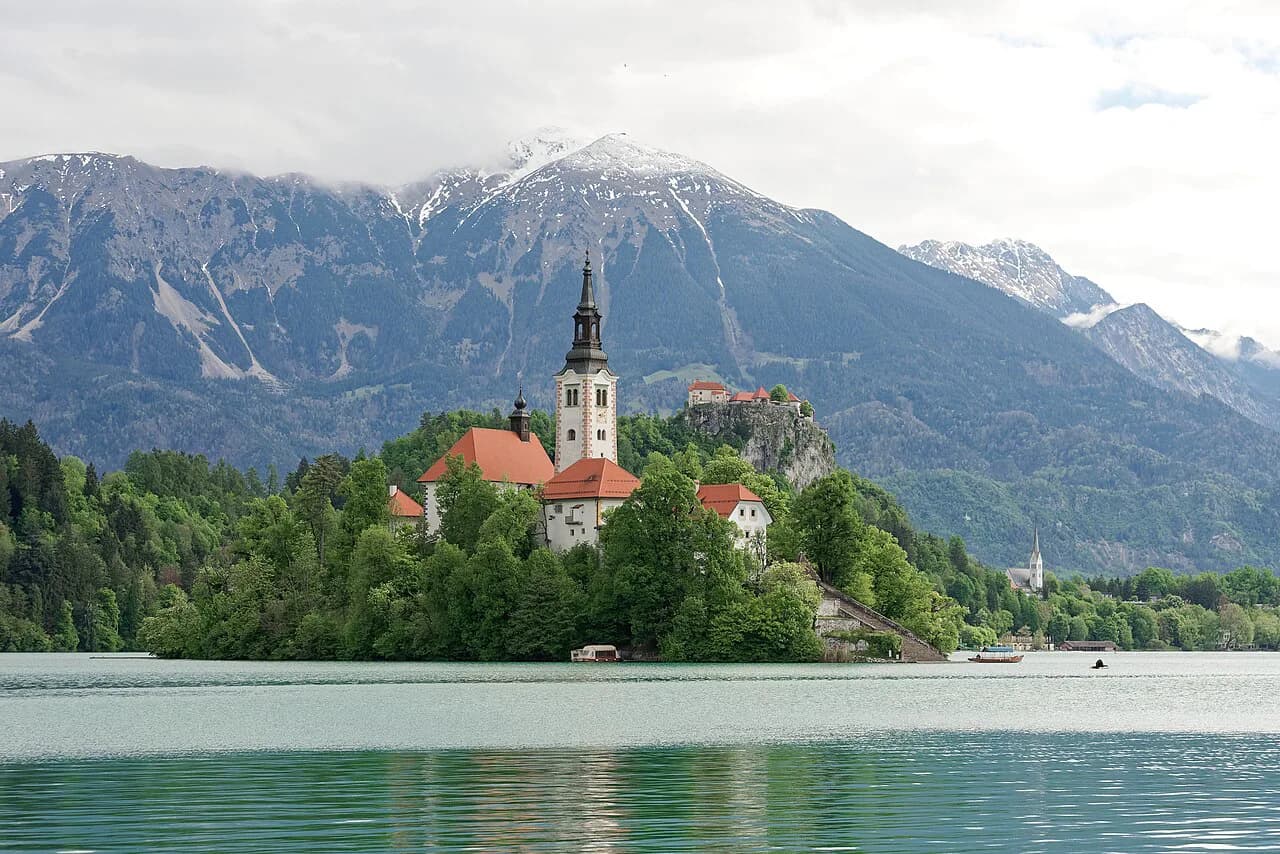
What matters for a trip is the shape of that cover: forest is not confined to the national parks but is the ordinary background of most rural driving in the country. If you are coming for the lakes, note that the woods around Lake Bled and Lake Bohinj are part of that same forested landscape rather than a separate attraction.
Why Slovenia's forestry is managed the way it is
Slovenian forestry is built on close-to-nature management, with an extensive public forestry service and controls intended to keep practices adaptive. That system is the reason the country's forests read as mixed and uneven-aged rather than as rows of a single species. It also explains why the forest reserves are treated as a long-term obligation rather than a visitor amenity.
The two UNESCO-inscribed reserves are unusual in legal terms: they are protected under forestry legislation rather than nature-conservation law, and they are the only component parts in the transnational beech property managed that way. For a visitor this changes little on the ground, but it tells you who sets the rules you will meet at the trailhead.
The UNESCO beech forest reserves in the Kočevje region
The two inscribed reserves lie in the Kočevsko area of southern Slovenia, and the surrounding forests are the ones most travelers picture when they think of Slovenian woods. Forest Reserve Jezero and the Virgin Forest Krokar are the names to look for on signs and in local material.
The Krokar reserve is the core, and the Borovec Forest Reserve around it functions as a buffer zone where the pressure of visitors is absorbed. That arrangement is deliberate: the forest service directs people toward the buffer rather than the Virgin Forest itself.
Borovška Nature Trail and the Krokar buffer zone
The Borovška Nature Trail runs through the Borovec Forest Reserve and is one of only two trails near the World Heritage site that visitors can use. It is the accessible way to see the buffer zone of the Krokar reserve without entering the protected core. The route is marked, and the forest service treats that marking as the boundary of where you should be.
Spring is when the trail is at its most distinctive: the woods carry fields of flowering wild garlic, with the odd stray daffodil still out. The Krempa Pass at the edge of the buffer zone gives the wide view over what the forest service calls the sea of forests. Plan your walk around daylight and weather rather than a fixed schedule, and check trail conditions with the forest service before you drive out.
Rules of conduct in Slovenian forests and forest reserves
The Slovenian Forest Service promotes a forest etiquette built around three issues that cause most of the damage: littering, driving into the woods, and walking off established trails. These rules are aimed at everyone, but they matter most in the reserves, where a single stray track through the undergrowth undercuts the protection. Read the etiquette before you go rather than assuming trailhead signs will cover everything.
The service has flagged driving in natural environments and visiting protected forest areas as current hot topics, and increased visitor numbers have brought litter and off-trail walking into the reserves. Practically, that means parking where you are told to park and walking in from there, even when a forest track looks drivable. The forest service also asks visitors to respect the rights of the private owners whose land much of this forest is.
Slovenian Forests Week is an annual event in late May that links the institutions managing the country's forests, and in 2020 it ran under the motto I Feel Forest, focused on conduct in the woods. If your trip coincides with it, expect guided walks and press coverage rather than a festival program. The event's own published schedule is the thing to check for any given year.
Where the forest regions sit on a map (Kočevsko, Pohorje, Pokljuka and the Julian Alps foothills)
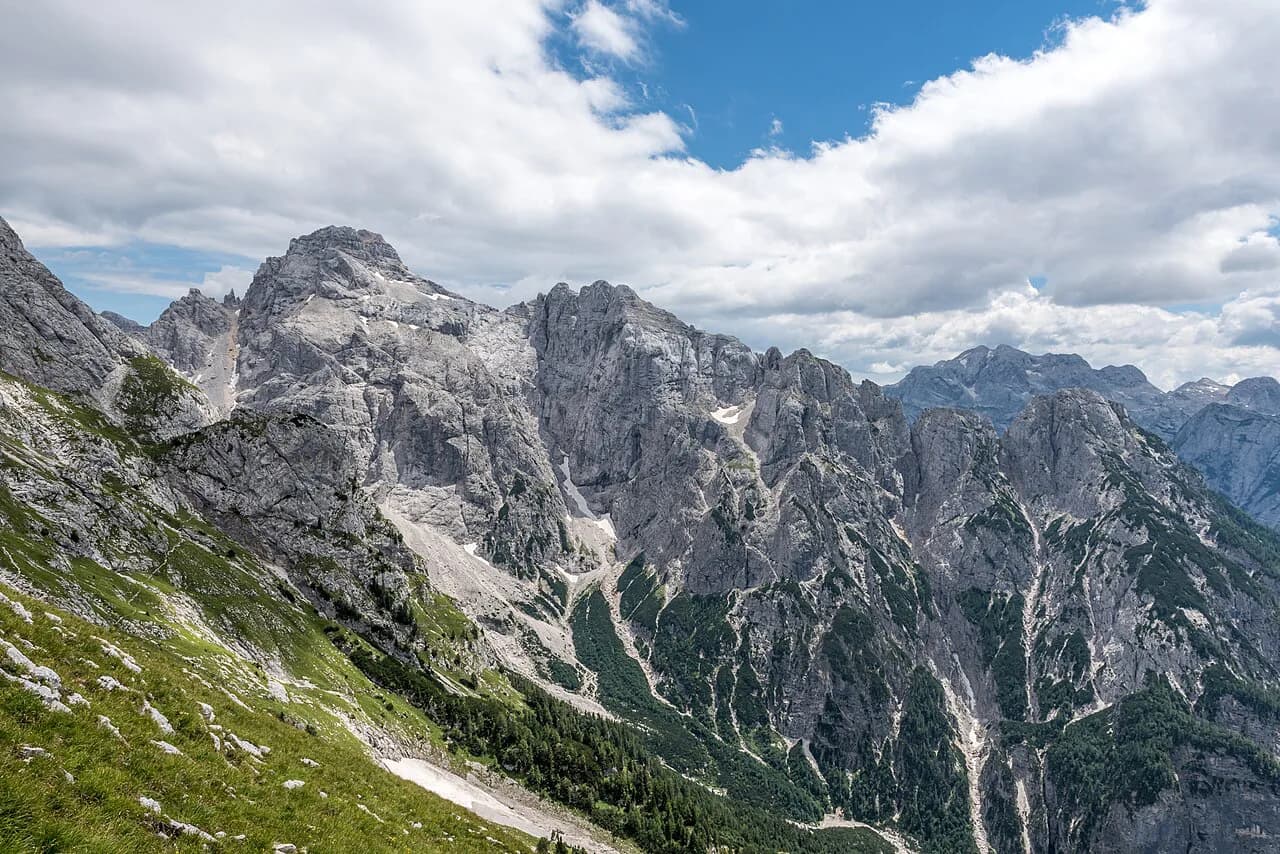
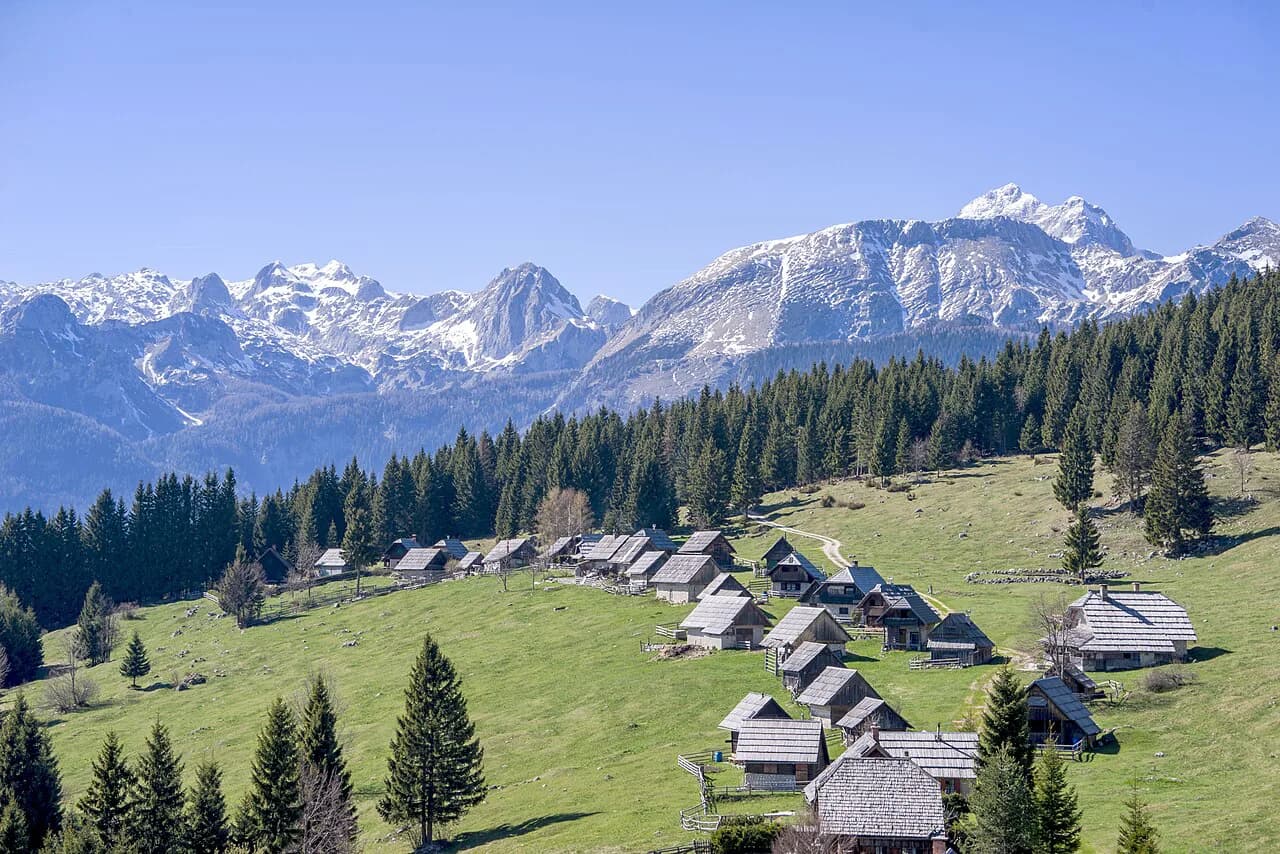
The forested country runs from the Kočevsko region in the south up toward the Julian Alps, with the Pohorje hills and the Pokljuka plateau among the wooded uplands. Each block has a different character: Kočevsko is the reserve country, while Pokljuka and the Julian Alps sit in the same mountain massif as Triglav National Park. Grouping two of them into one trip usually means a long drive, so pick one block per day.
The Julian Alps foothills are where forest visits overlap most with the rest of a Slovenia itinerary, since Triglav National Park and the Soča valley sit in the same massif. If your forest day is really a valley day, the rivers and gorges are the better organizing principle than the trees.
The Dinaric forests of the south continue beyond Kočevje toward the Croatian border. These are working forests as much as protected ones, and the forest service's concern about disturbance is not abstract.
Visiting forest reserves responsibly: litter, driving and staying on trails
The single most useful decision you can make is to choose a marked route and stay on it, because off-trail walking in a reserve is the impact the forest service most wants to prevent. The second is to carry out everything you bring in; littering has been a documented problem as visitor numbers rose. The third is to leave the car at the designated parking area and walk in.
Forest reserves are not the same as national parks, and the difference is practical: parks have visitor infrastructure and staffed entrances, while forest reserves often have little more than a marked trail and a sign. If you want the managed version of a Slovenian nature day, the national parks and the cave and gorge sites are easier to plan around.
Reserve status also restricts what you can do, and the restrictions most often missed are those that come from forestry legislation rather than conservation law. You will not find a ticket booth explaining them. Ask the Slovenian Forest Service about access before you commit a day to a specific reserve.
What to know before you set out for a forest day
Build the day around a single marked trail and a short drive from a town where you can buy food and fuel, because forest areas themselves have almost no services. Kočevje is the natural starting point for the southern reserves, and the lake and alpine towns work for the northern forests. Carry water and a paper map.
Pair a forest morning with something built or dramatic in the afternoon: the karst caves and the gorges are within reach of the same southern and western loops. That mix also gives you a wet-weather fallback.
If you are based at the lakes, the woods around Lake Bled and Bohinj are the easiest forest hours you will get without a special trip, and the waterfalls and gorges nearby add a destination to the walk. Keep the reserve visit for a separate day when you can give it the attention it needs.
Should you build a day around the Kočevje reserves?
Yes, if you want to see the beech forest that earned World Heritage status and you are willing to walk a marked trail and follow the forest service's rules. No, if you want facilities, signage and a ticket window, in which case a national park or a show cave is a better use of your day.
Either way, the woods are the reason much of Slovenia looks the way it does, and a few hours on a marked forest trail is a quiet, low-cost part of most itineraries. Confirm access with the Slovenian Forest Service before you drive to a reserve, and treat the trailhead sign as the last word on where you may walk.
Explore more Slovenia guides
Frequently Asked Questions
Do I need a ticket to visit a Slovenian forest reserve?
The two UNESCO-inscribed reserves are protected under forestry legislation rather than run as ticketed attractions, so there is no ticket window to plan around. Access arrangements and any restrictions come from the Slovenian Forest Service, which is who you should contact before a visit.
When is the best time to see wild garlic flowering on the Borovška Nature Trail?
The forest service's coverage of the guided walk describes wild garlic fields still in flower in late May, alongside occasional daffodils. That is a seasonal observation rather than a fixed flowering calendar, so ask locally before timing a trip around it.
Sources
Notes for your Slovenia trip
Optional updates to our Slovenia place guides.
You might also like
Continue reading
More guides you'll find useful