Slovenia Animals: Where to See Brown Bears, the Olm and Wildlife
Meet Slovenia's wildlife: brown bears in the Kočevje and Notranjska forests, the olm at Postojna Cave, and deer, foxes and birds in between.
On this page
Slovenia's animals concentrate in the south: brown bears in the forests of Notranjska and around Kočevje, and the olm, a cave-dwelling salamander, at Postojna Cave and its Vivarium. Between them you get deer and roe deer, foxes, wolves, lynx and a long list of birds, most of it seen on a guided evening or a quiet forest road rather than on a checklist walk. This guide sorts the wildlife by region, explains how a bear hide actually works, and covers the practical side of an evening in the forest.
Use it alongside the wider Slovenia nature coverage, which maps the lakes, valleys and karst landscapes these animals live in.
What animals live in Slovenia
The land mammals most travelers hope for are brown bears, wolves, lynxes, foxes, ibexes and hares, with deer and roe deer filling the forests in between. Vipers, green lizards and wall lizards turn up among the reptiles, and buzzards, hawks, woodpeckers, doves, storks and pheasants among the birds. On the coast, trout, sea turtles, cuttlefish, mullets and jellyfish are the marine names that come up.
Bears are the animal most people ask about, and the reliable geography is southern: the Notranjska region, the Karst and the Kočevje forest, the wooded country south and southwest of Ljubljana. Those same forests are the broader Dinaric belt, where bears, wolves and lynx share habitat across the border country.
A figure published in a 2020 travel blog put Slovenia's brown bear population at approximately 1,000, which is worth treating as a dated estimate rather than a live count. What matters for planning is distribution, not the total: bears are forest animals of the south, and you do not see them by driving through.
Brown bears: the Kočevje and Notranjska forests
The Notranjska Regional Park covers 222 square kilometers of mountainous landscape, green meadows, clear streams and the intermittent Cerknica Lake, and it counts among the areas where Slovenian brown bears live. The Kočevje forest, with its old-growth woodland, is the other heartland. Base yourself in that southern belt rather than in Ljubljana if bears are the point of the trip; the forest towns make a more sensible launch point for an evening hide.
European brown bears can reach 250 centimeters in length, males can weigh more than 200 kilograms, and they can live up to 35 years. They run, swim and climb well despite the heavy build, so the viewing arrangement matters far more than any attempt to get closer on foot.
The forest is not only bears. Foxes, deer, roe deer, dormice, wolves and badgers share the same woods, and a hide session often delivers those instead.
How bear-watching hides work and what to expect
A typical bear evening starts with a short walk through the forest from the parking lot to the viewing point, with a wildlife guide explaining bear behavior on the way. You then sit in a smell-isolated hut in total silence, and food stays in the car so nothing edible scents the air. The hut gives a clear view over the feeding area, and the arrangement lets bears approach closely without ever meeting a person.
Sightings are not guaranteed, whatever a booking page implies. Guides read the forest by sound, including breaking twigs and moving vegetation, and a good evening can produce a mother bear with a cub; a quiet one produces nothing but the wait. Treat the silence and the walk as part of the experience rather than the price of admission to a guaranteed animal.
The format is safe precisely because the animals come to a fixed point and humans stay behind a barrier. Bears rarely approach people in the open, and when they scent a human they usually move away, which is why the hide is smell-isolated in the first place. Keep that logic in mind: the guide handles positioning, and your job is to stay quiet and still.
Prices, meeting times and departure points vary by operator, and no single published rate applies across the region. Ask the hide operator directly what the evening costs, where you meet and how late you return before you commit, and confirm how transport back to your base works if you are not driving.
The olm, the cave-dwelling animal at Postojna Cave
The olm, also called the proteus, is the cave creature most visitors associate with Slovenia, and Postojna Cave is where you encounter it, with a Vivarium on site for viewing the animals. It is a cave animal, not something you spot in a stream or a forest pond, so plan the visit around the cave tour rather than around a wildlife walk.
The Postojna Cave Vivarium is the context in which the olm is presented to visitors, alongside the cave experience itself. Because conditions inside the cave and Vivarium are managed, there is no independent way to see an olm on your own.
Book the cave visit as a cave visit and treat the olm as part of it, with tour slots and ticket prices confirmed with Postojna Cave directly rather than assumed. If an underground animal is the reason for the stop, the wider Slovenia caves coverage helps you choose between the show caves of the karst.
Birds and other wildlife around Cerknica Lake
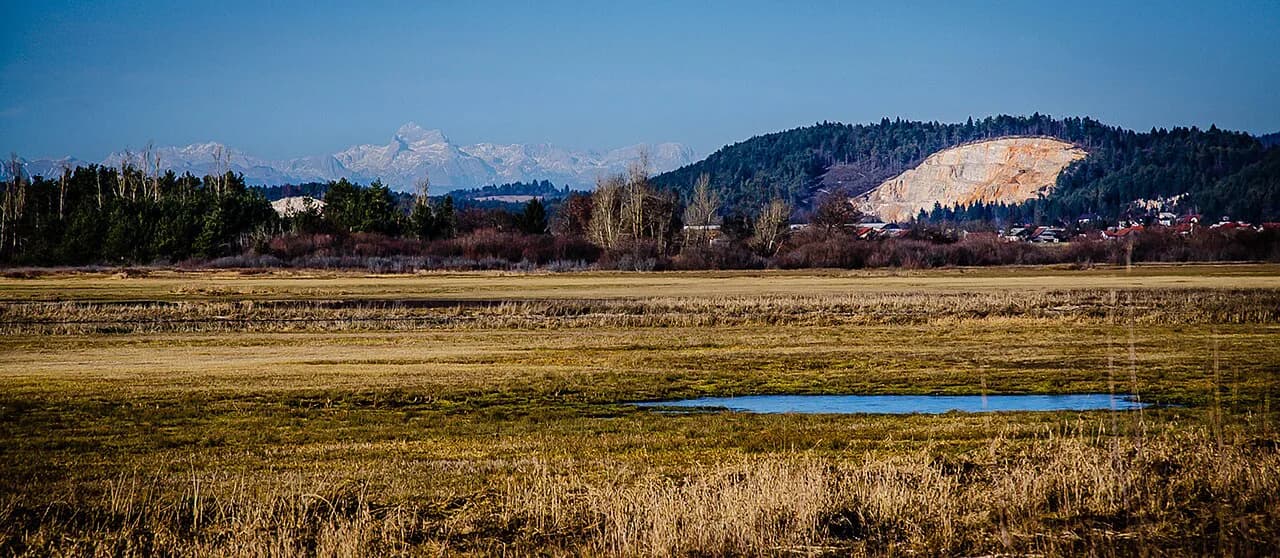
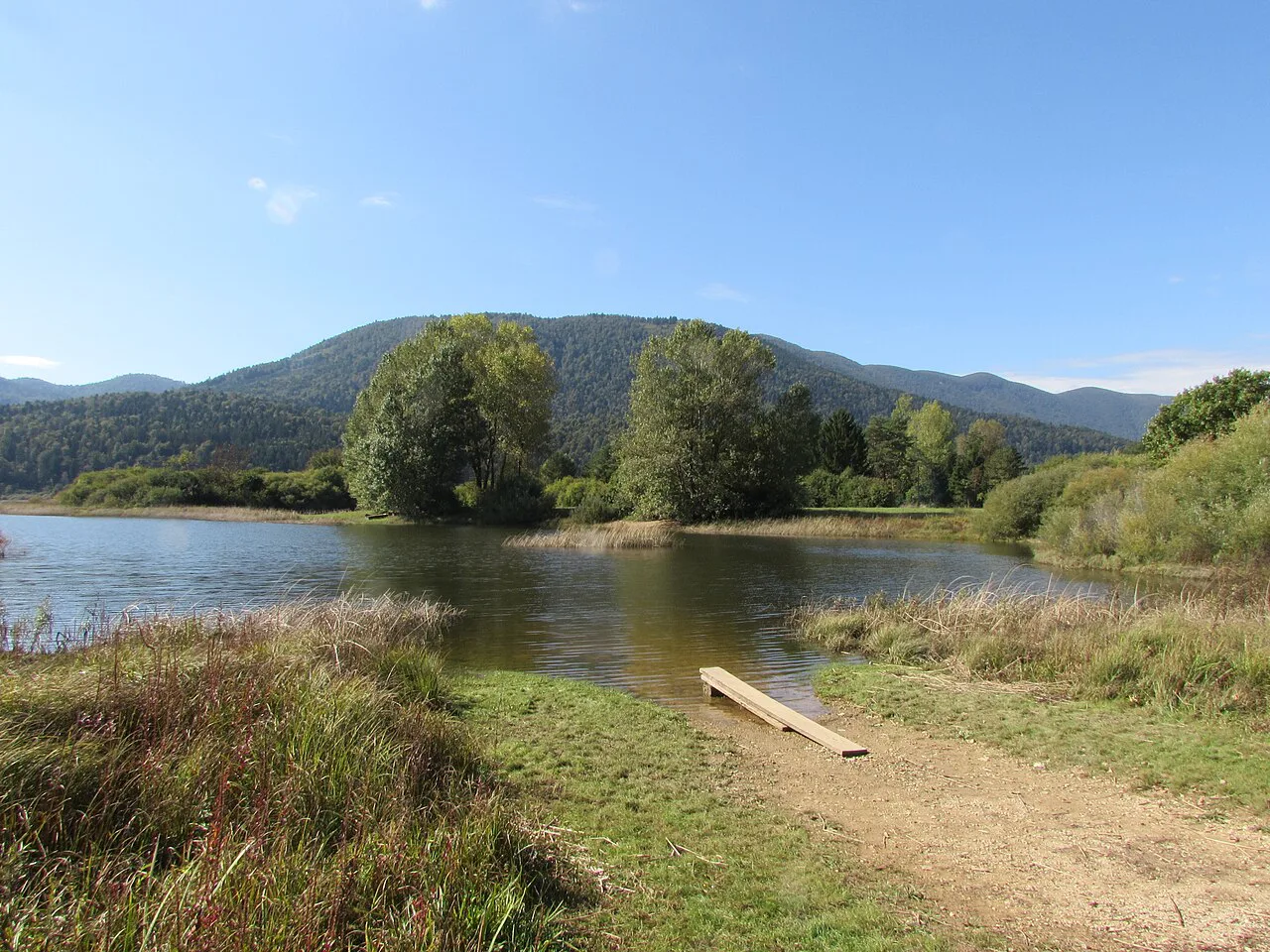
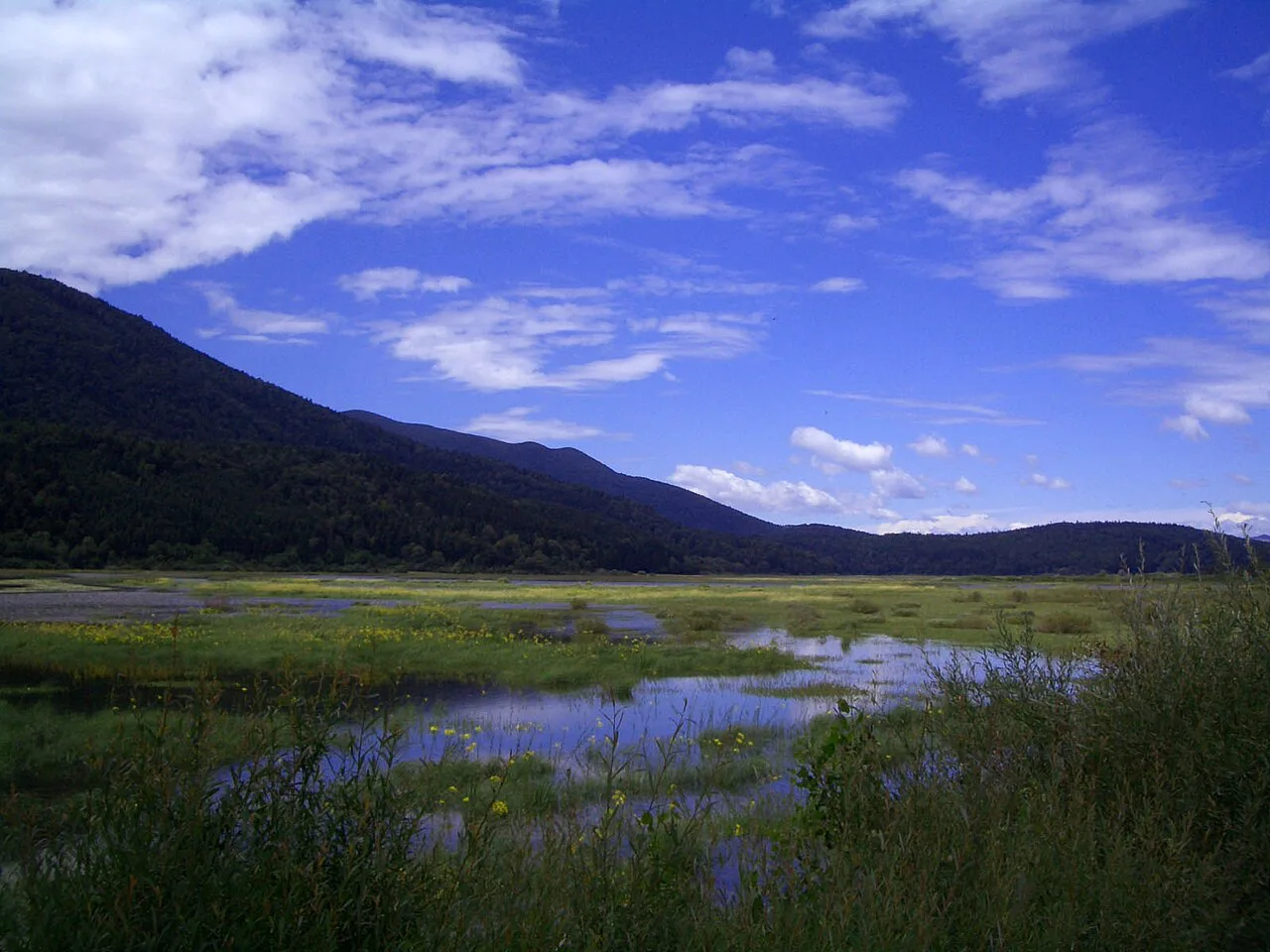
Cerknica Lake is an intermittent karst lake inside the Notranjska region, filling and emptying with the water table, and it belongs to the same bear country as the surrounding forests. The open water and wet meadows pull in birdlife, which makes the lake a sensible add-on to a forest evening rather than a separate trip.
Birdwatching is one activity the Slovenian Tourist Board promotes under the country's wildlife banner, and bee-keeping appears in the same material, with a beehive in Bohinj as the image. That points to a simple rule: the birds are best worked into a lake or meadow stop, and the bees belong with the countryside rather than a dedicated wildlife reserve.
If you are combining water and wildlife, the Slovenia lakes coverage lines up the larger lakes with the smaller karst ones.
Where in Slovenia to look for chamois, deer, wolves and lynx
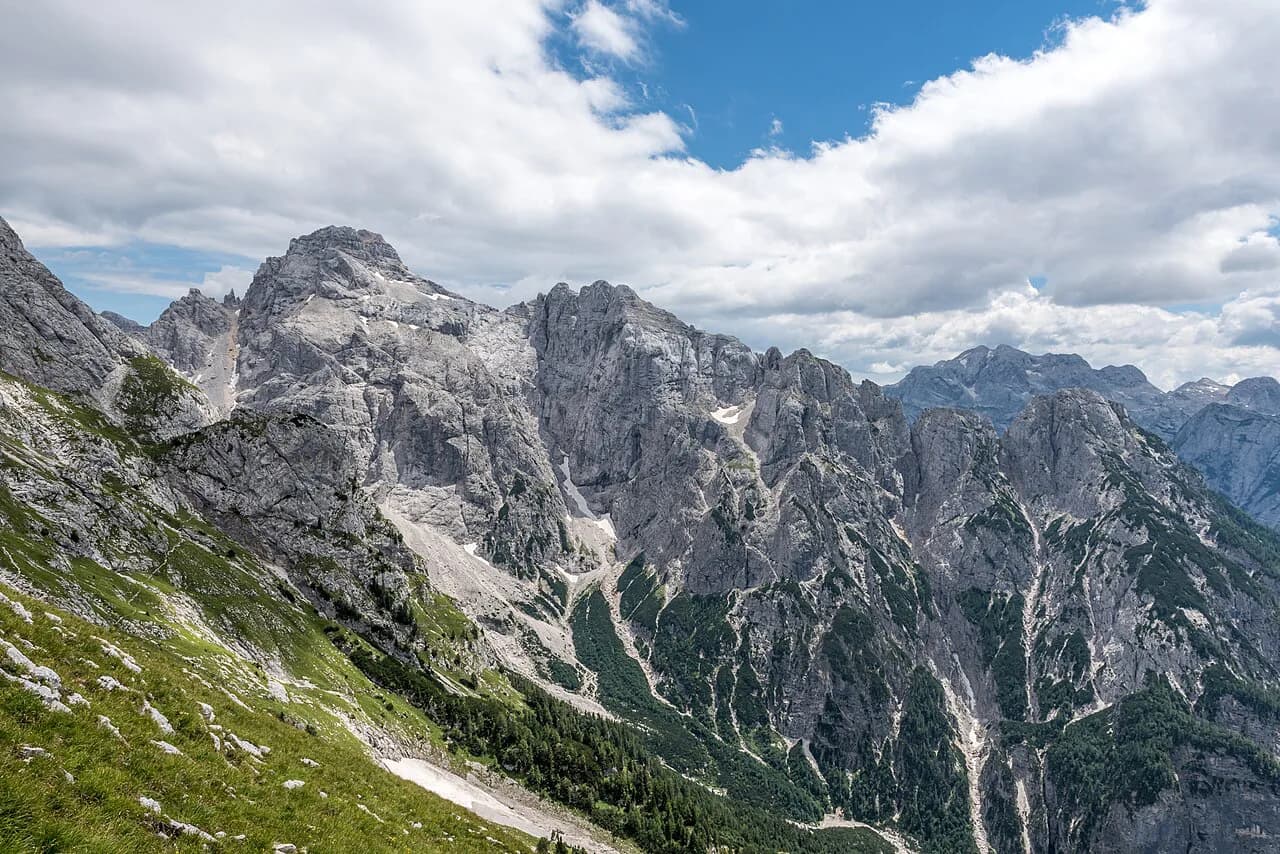
Chamois and ibex belong to the high mountain ground, and a mountain day in one of the Slovenia National Parks is the natural way to plan around that habitat. Treat it as a park day rather than a hunt for one species, and read which valleys and entrances put you in the right ground.
Deer, roe deer, foxes, wolves and lynx are forest animals of the south and the karst edge, where the woods run unbroken for long distances. Wolves and lynx are the hardest of the group to see anywhere, so a guide who knows the territory is worth more than an early start.
Bohinj is one of the places where the country's bee-keeping tradition sits close to the villages and trails. That makes the area a good place to combine a walk with a bit of nature watching, with the bees belonging to the countryside rather than a dedicated wildlife reserve.
How to watch wildlife without disturbing it
Silence and distance do most of the work. Stay in the hide or behind cover, keep voices down, and follow the guide's instructions on when to move and when to stay still, even when nothing is happening. If a bear or a wolf changes direction because of you, you were too close or too loud.
Leave food in the car, not in a daypack beside you. It keeps the hide scent-neutral and stops animals from associating people with an easy meal, which is the one behavior that causes problems later.
Hunting is allowed in Slovenia, so forest land in the south can be in active use. Wear something visible if you are walking forest roads outside a guided session, and ask your accommodation or guide about local activity before heading out at dusk.
What to bring on a wildlife evening in the forest
Bring layers, a quiet jacket that does not rustle with every movement, and insect repellent for the still hours around dusk. A small torch helps on the walk back, though you will keep it off while watching. Leave the food and the snacks in the car as instructed, and carry water rather than anything that smells of a picnic.
Binoculars help more than a long lens in a cramped hut, and a camera with silent shooting avoids clicking through the one visit a bear makes. Expect to be out late: evening sessions finish after dark, so plan the drive back or the pick-up in advance rather than leaving it to the end of the night.
Which wildlife evening to book
Book a bear hide in Notranjska or around Kočevje for the animal people come for, and accept that the evening is a waiting game with a strong chance rather than a promise. Pair it with Postojna Cave and its Vivarium if you want the olm, and fold in Cerknica Lake for birds on the same southern loop.
Confirm hide prices, meeting times and cave tour slots with the operators directly before you commit, since no fixed published rate covers the region. Then build the trip around the forest rather than the city, and the wildlife will do the rest.
Explore more Slovenia guides
Sources
Notes for your Slovenia trip
Optional updates to our Slovenia place guides.
You might also like
Continue reading
More guides you'll find useful