Kočevje, Slovenia: Forest Town Guide to the Lake, Museum and Kočevski Rog
Kočevje sits below the Kočevski Rog plateau in southern Slovenia. Here is how the town is laid out, what to see by the lake, and what to plan around.
On this page
Kočevje works best as a half-day town stop with a forest day attached: the lake, the parish church, the regional museum and the climb to the Fridrihštajn ruins are all reachable from the center, while the Kočevski Rog forests and the Kolpa River need wheels. The town sits on the Rinža River at the foot of the Kočevski Rog karst plateau in the historic Lower Carniola region, roughly an hour's drive from Ljubljana.
This guide separates the walkable core from the trips that need a vehicle, names the museum and the lake complex as the two anchors, and flags what to confirm locally before you build a day around it.
Kočevje at a glance: a town on the Rinža below Kočevski Rog
Kočevje is the seat of the Municipality of Kočevje in southern Slovenia, part of the Southeast Slovenia Statistical Region, and the town sits on the Rinža River below the wooded Kočevski Rog plateau. The municipality is the country's largest by area, covering almost 564 square kilometers, so the town is compact but the land around it is enormous.
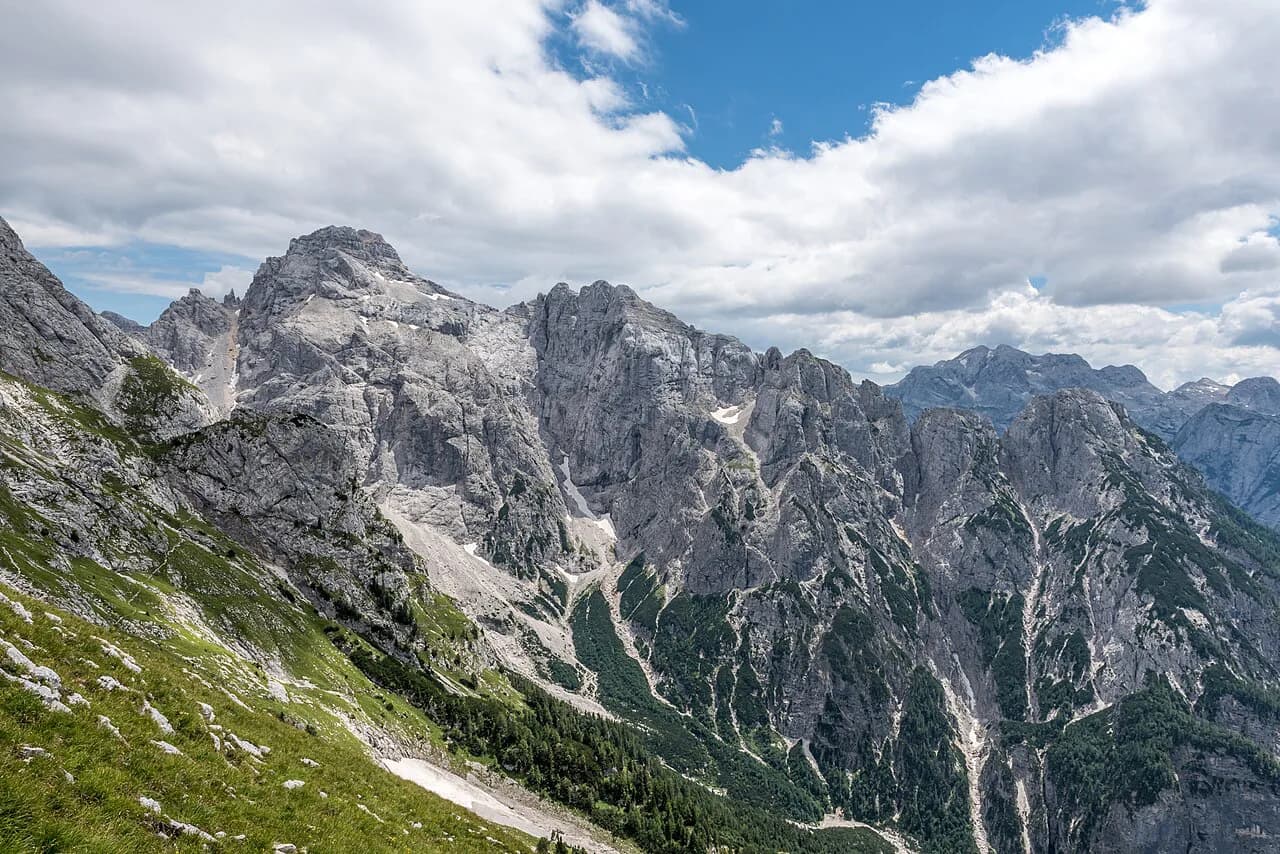
Roughly nine-tenths of the region is covered by forest, mostly Dinaric fir and beech, and six of Slovenia's twelve remaining primeval forest fragments lie in the Kočevje region. Treat the town as the gateway and the surrounding woods as the main event.
The name is pronounced roughly koh-CHEH-vyeh, and the German name Gottschee still appears in older texts and heritage displays. Knowing both helps when you read museum panels or local signage about the German-speaking settlers who shaped the area.
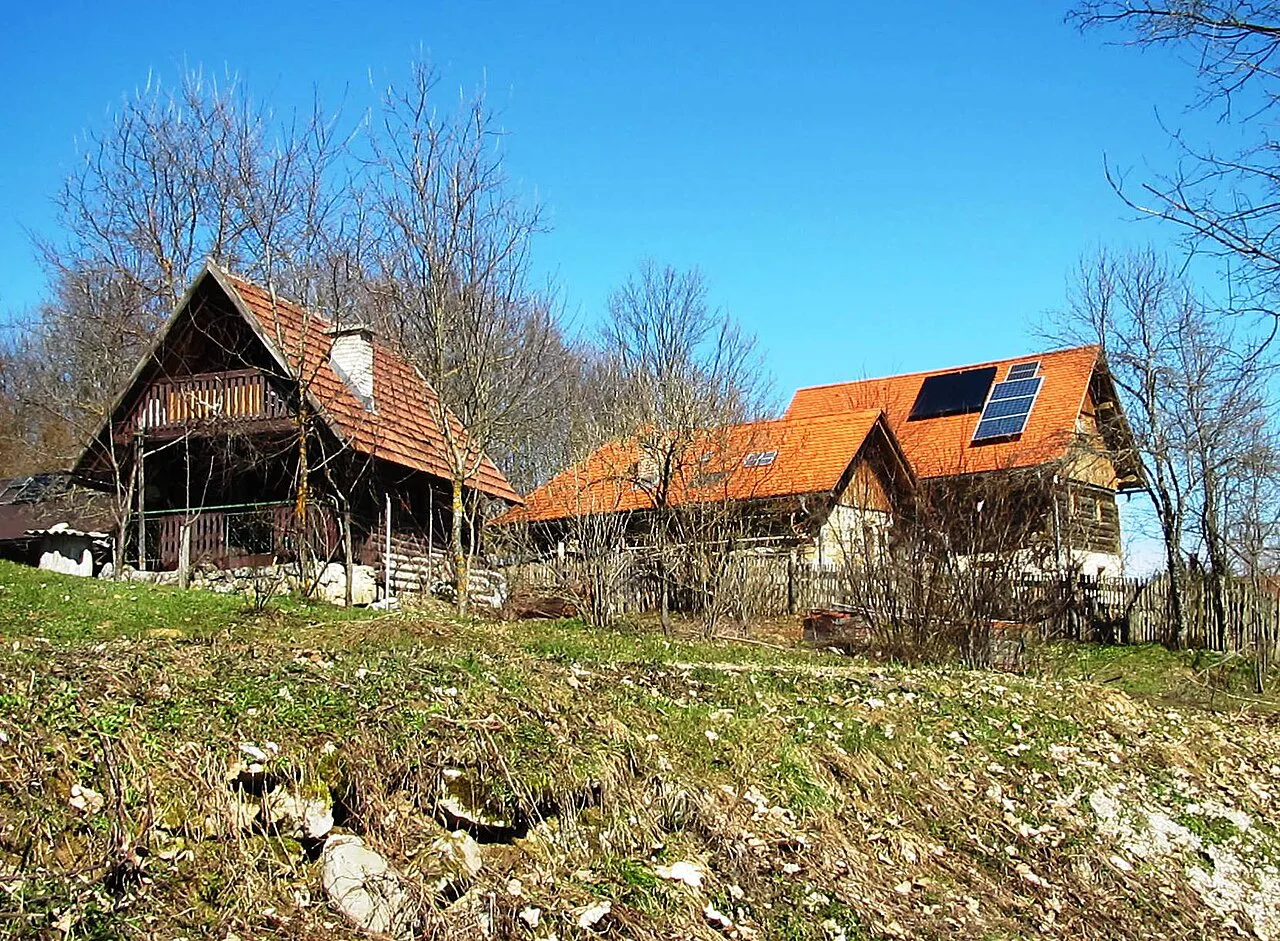
Where Kočevje sits and how to think about distances
Kočevje lies in the south of the country near the Kolpa River, which forms the border with Croatia, and the Kočevsko tourism region pitches itself as about an hour's drive from Ljubljana. That makes it realistic as a day trip by car, but a thin proposition if you are relying on a tight chain of buses with fixed return times.
Distances inside the municipality are the real planning problem. The center is walkable, but the Fridrihštajn ruins sit on Mestni vrh above town, the Rajhenav forest and the Queen of Rog fir are out in Kočevski Rog, and the Kolpa is a separate drive. Group the walkable sights into one block and the forest sights into another.
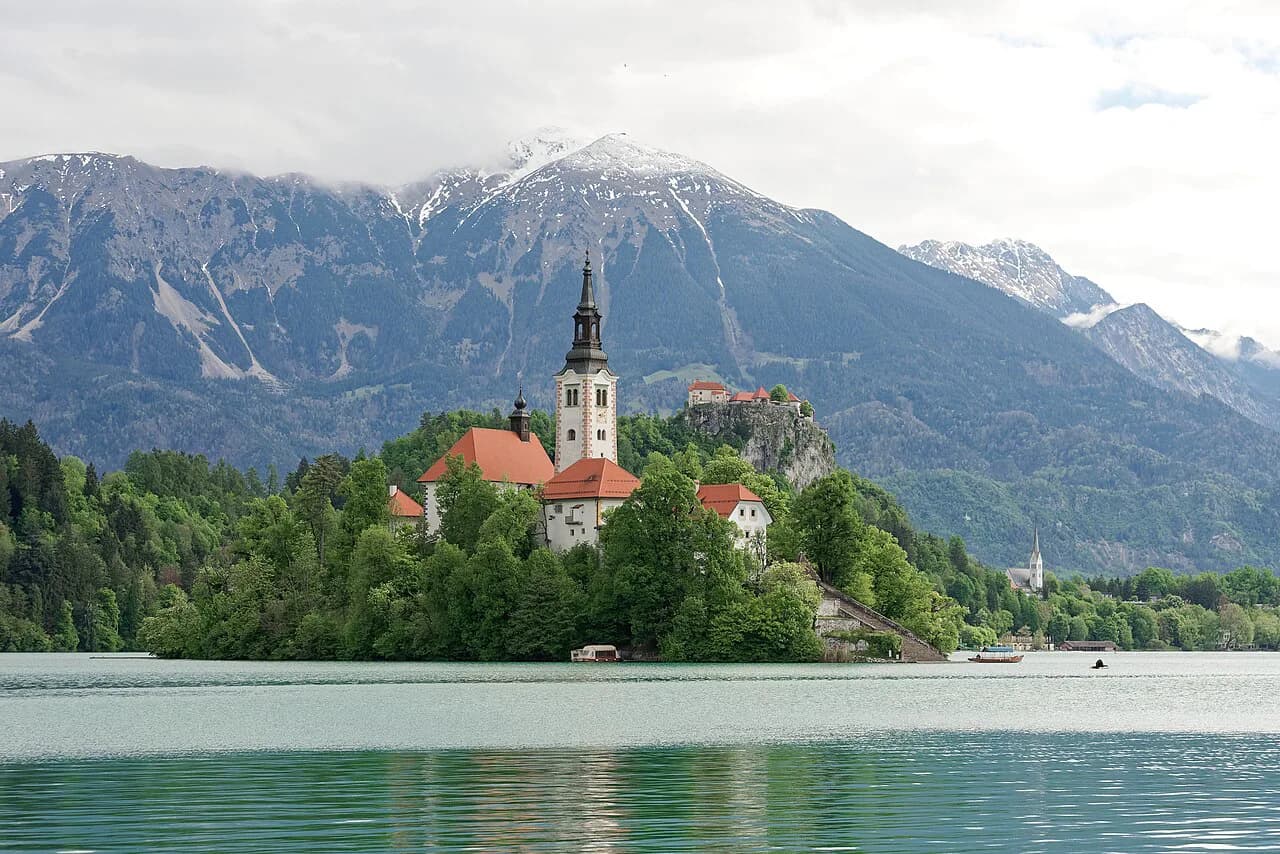
On a wider southern Slovenia loop, Kočevje pairs naturally with forest and karst stops rather than with the Julian Alps, which sit across the country. Use it as the quiet counterweight to the busier lake and cave circuits covered in our Slovenia nature section, including Lake Bled and Triglav National Park.
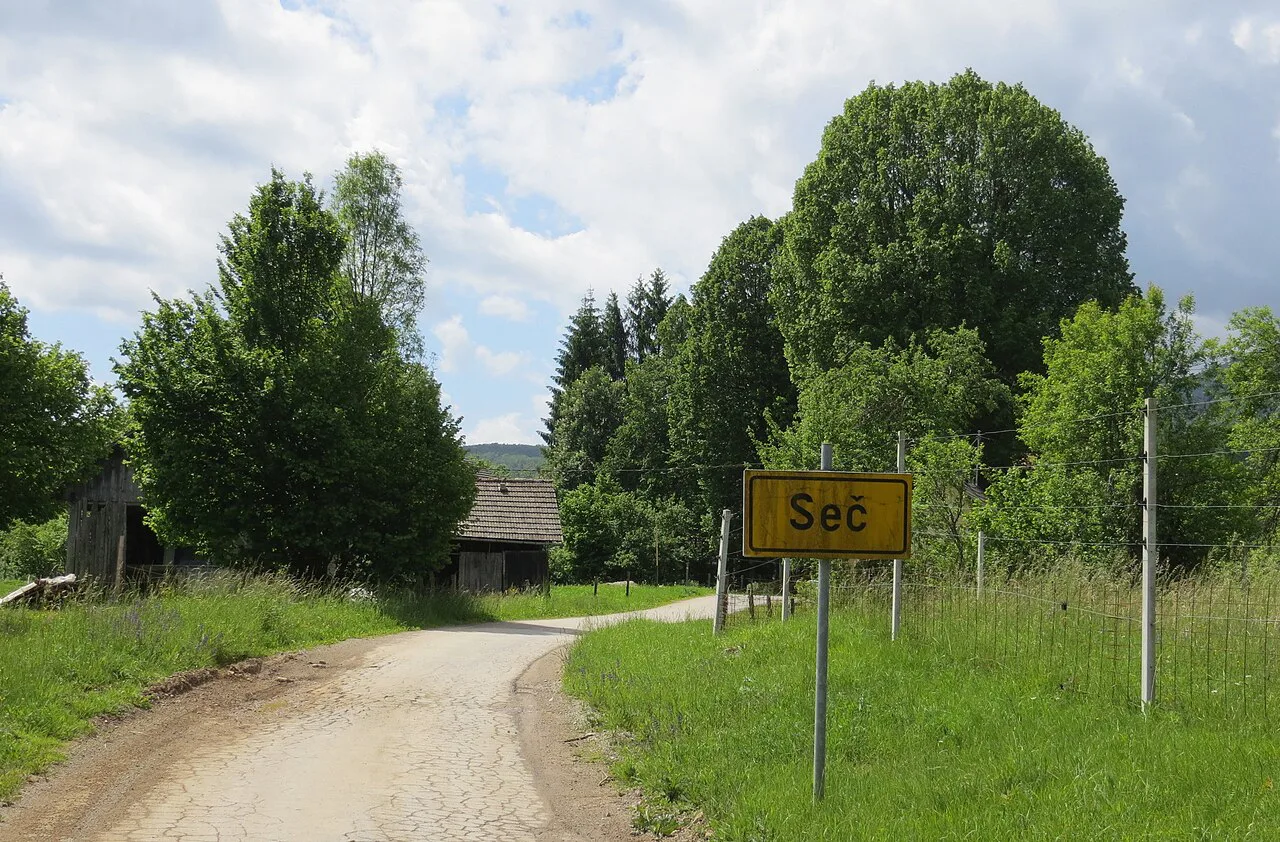
Kočevsko Lake: the loop path and the water-side complex
Kočevsko Lake lies a short walk from the town center and is the easiest sight to fold into a town visit. A path runs around the water, locals use it for walking and for the view across the lake, and in summer events take place there.
The lake sits inside the Jezero tourist complex, which has terraces by the water and an information office nearby where you can pick up details on what to see in the region. It is also a fishing water, stocked with species including carp, pike and catfish, so expect anglers along the bank.
The loop is a stroll, not an excursion, and the payoff is the view and the easy access from town. If you want a bigger water day in Slovenia, compare it with the country's larger lakes; Kočevsko is a town park with a view.
Kočevje Regional Museum in Šeškov dom: the Gottschee story
The Kočevje Regional Museum explains why so much of the surrounding countryside is ruins. It occupies the former Sokol House, now the Šeškov dom Cultural Centre, and its exhibits cover the Gottschee Germans, the German-speaking farming community settled here in the 1330s that kept its own language and customs for more than six centuries before its displacement.
The building carries a second layer of history: an Assembly of the emissaries of the Slovene nation was held there from October 1 to 4, 1943. Seeing both stories in one building is the reason the museum is worth an hour rather than a glance.
Opening hours and admission are not published in the regional material, so check the museum's own listing before you build a day around it. If it is closed, the municipal building on Ljubljanska cesta, known as Mary's Home and once a girls' school and convent, is a quick architectural stop on the same street.
St. Bartholomew's Church and the town center
The parish church of St. Bartholomew, Sveti Jernej in Slovene, belongs to the Roman Catholic Diocese of Novo Mesto and is the town's main landmark. The present Neo-Romanesque building went up between 1887 and 1903 on the site of an earlier church.
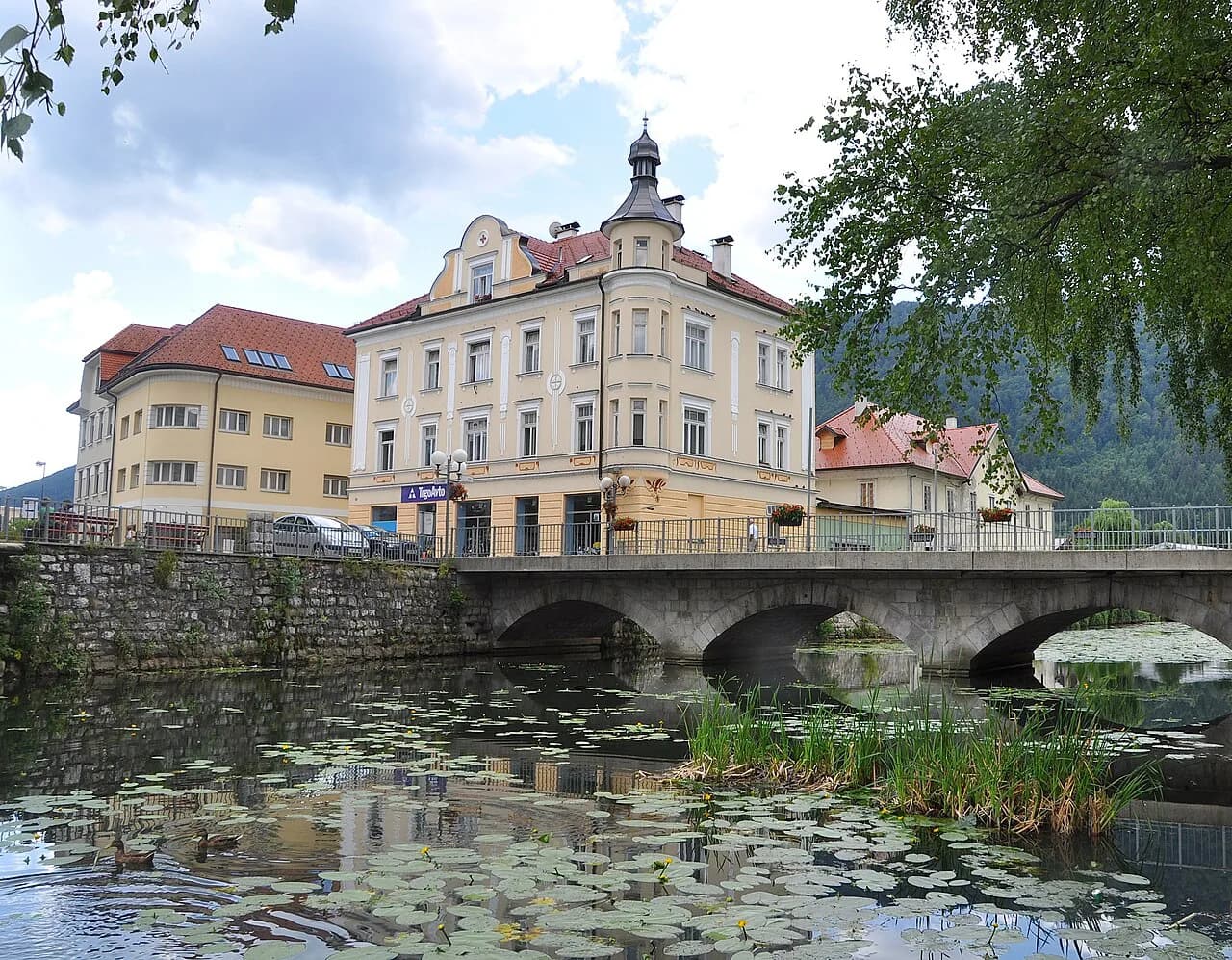
The center is small enough to cross on foot, and the practical spine is Ljubljanska cesta, where the municipality is based. Walk the church, the municipal building and the lake in one loop and you have covered the town core in a couple of hours without a car.
Mestni vrh and the Fridrihštajn castle ruins above town
Mestni vrh rises directly above Kočevje, and its top holds the ruins of the former Fridrihštajn Castle, also spelled Fridrikstein in some texts. The site is linked to Frederick of Celje and Veronika of Desenice, and the remaining walls stand as a monument to that story rather than as a standing castle.
The payoff is the view back over the town, and the Kočevsko tourism material lists paths of varying difficulty to the top. Because the ruins are a walk-up rather than a drive-up sight, treat this as a weather-dependent addition and skip it if the cloud is down.
Into the forest: Kočevski Rog, Rajhenav and the Queen of Rog
The Kočevski Rog plateau is the reason to give Kočevje more than half a day. The Rajhenav primeval forest is one of the protected forest remnants in the region, and nearby stands the fir known as the Queen of Rog, recorded at 55 meters in height with a girth of more than 500 centimeters.
Reach Rajhenav and the Queen of Rog by marked forest trails and forest roads, and hikers pass the tree on the long-distance route through the region. You need a car to the trailhead or a bike, and you need to be comfortable navigating forest paths.
These forests are managed by the Slovenia Forest Service alongside the municipality and nature-conservation bodies, which is why the reserves are marked and the trails are signed rather than open terrain. Stay on the marked routes and read the trail boards at the start before you commit.
Caves and wildlife in the Kočevsko region
The Kočevje region has karst features and caves, including an ice cave where snow and ice are described as staying through the year, and cave fauna is one of the area's natural-heritage themes. Ask at the lake information office before setting out to find one.
Wildlife is a genuine part of the package: the LIFE Kočevsko project targets species including the white-tailed eagle, capercaillie, hazel grouse and three-toed woodpecker in these forests. The region also promotes guided wildlife experiences, but booking details and seasons are not published in the regional material, so arrange anything wildlife-related through the information point.
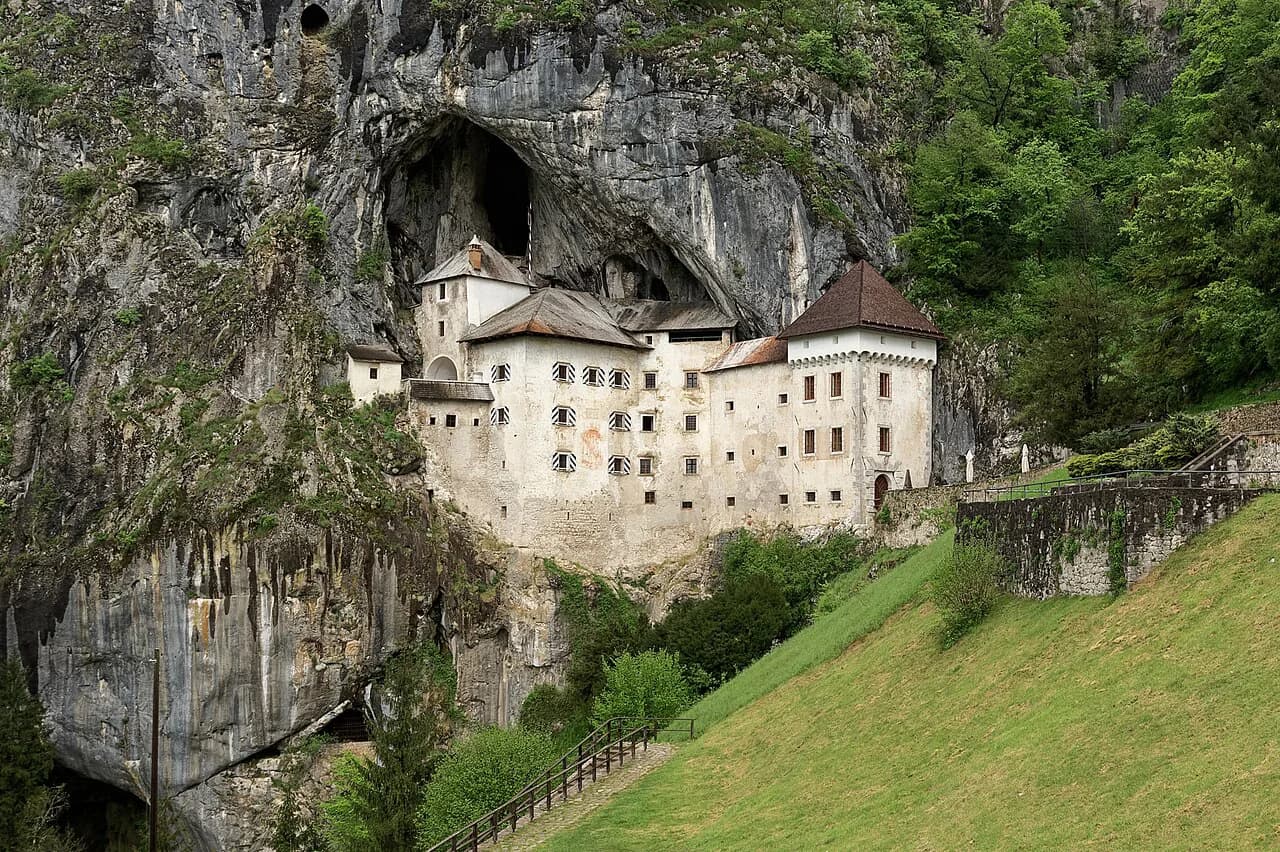
For a ticketed cave experience in Slovenia, plan a separate day at Postojna Cave or the Škocjan Caves, both run as organized show caves. Kočevsko's caves are a wilder, less set-up proposition.
The Kolpa River: a summer river day
The Kolpa River runs along the southern edge of the region and is described as a popular spot for visitors and campers, with beaches used for sunbathing in summer and water used for quick swims. The same river supports rafting, canoeing and fishing, and trails run along its banks for walking and cycling.
The Kolpa is a drive from Kočevje, not a walk, and its activities are presented as summer options. Operators, launch points and prices are not published in the regional material, so verify with the tourist information office or a local operator before you drive down expecting to get on the water.
Rivers are one of Slovenia's strongest suits, and the Kolpa is a gentler counterpoint to the alpine whitewater of the Soča in the Julian Alps. If river time is central to your trip, compare the two before deciding where to base yourself.
Getting around without a car: KOLU bikes and the family cycling loop
Kočevje has a realistic car-free option: KOLU rental bikes let you cycle through town and out toward the forest trails, and mountain bikes can be rented at Bearlog Hostel for the more distant routes. The region holds the Slovenia Green label and promotes biking over driving for exploring Kočevsko.
For an easy introduction, the 32-kilometer circular family cycling trail called Cycling through the Babbling Brooks runs along the edge of Kočevje and passes the lake, making a natural stop. Thirty-two kilometers is a full day on a rental bike, so start early rather than planning it as an afternoon add-on.
Bike rental hours, fleet availability and rates are not published in the regional material, so confirm before you rely on a bike as your only way out of town. On a wet day, the town core on foot is the fallback.
How long Kočevje needs, and the tradeoffs
Budget half a day for the town on foot: the church, Ljubljanska cesta, the museum and the lake loop. Add two to three hours if you climb to Mestni vrh, and give the museum more time if the Gottschee story is your reason for coming.
A full day or an overnight is what the forest needs. Rajhenav, the Queen of Rog and the Kočevski Rog trails sit well outside town, and the Kolpa is a further drive south, so combining the town, the forest and the river in one day means spending most of it in the car.
The honest tradeoff is that Kočevje has no single headline sight that justifies a long detour on its own. It rewards travelers who want forest, quiet and a specific slice of history; if you want gorges and waterfalls with more infrastructure, look at the country's developed gorge and waterfall sites instead.
Practical notes: the information point by the lake
Start at the information office near the lake inside the Jezero complex, where you can pick up regional information and ask about trails, caves and current arrangements. It is the practical first stop before you commit to a forest route.
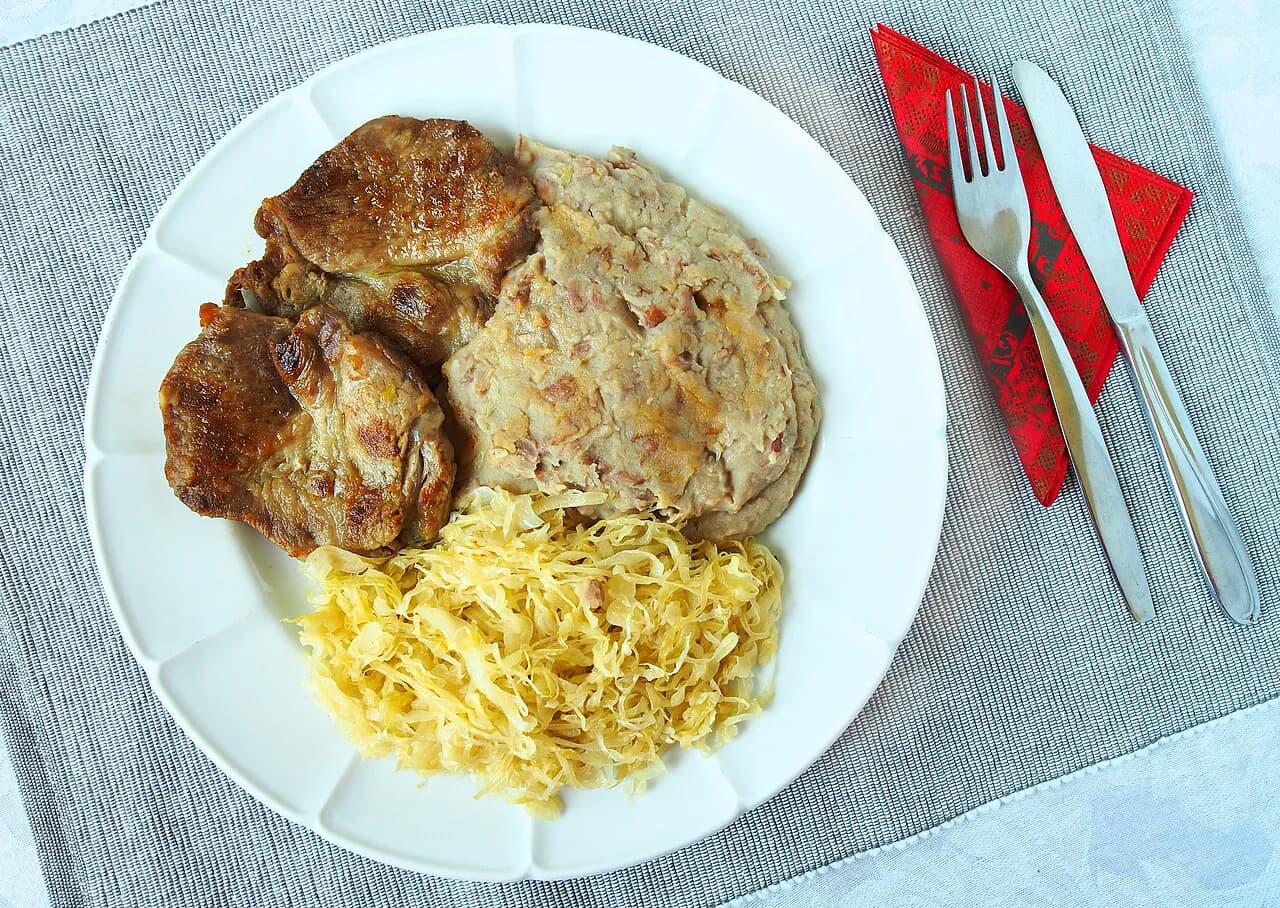
For eating, the region's forest trails are served by inns offering game dishes, named as the Falkenau and Jelen, and there is a lodge at Jelenov's well where you can also sleep. For anything else, ask at the information point rather than driving around hungry.
The town also appears among Slovenia's excursion ideas alongside other green stops, a useful reminder that Kočevje works best as one piece of a southern loop. Check the current opening arrangements for the museum and any guided activity directly before you travel.
Is Kočevje worth the detour?
Yes, if you want forest and Gottschee history rather than a headline monument, and if you have a car or are willing to rent a bike. Give it half a day for the town and a full day if you are heading into Kočevski Rog or down to the Kolpa.
Skip it if your itinerary is already tight around the lakes and caves, because Kočevje's rewards are spread out and slow. Build the town walk first, confirm the museum and information office arrangements, and let the forest decide how long you stay.
Explore more Slovenia guides
Frequently Asked Questions
How do you pronounce Kočevje?
Roughly koh-CHEH-vyeh, with the stress on the middle syllable. The German name Gottschee appears in older texts and heritage displays, so recognizing both helps when you read local signs and museum panels.
Do you need a car to visit Kočevje?
You can cover the center, the lake and Mestni vrh on foot, and rental bikes are available in town for longer routes. The Kočevski Rog forest sites and the Kolpa River are far enough out that a car or a full day on a bike is the realistic way to reach them.
Can you swim in Kočevsko Lake?
The lake is described as a fishing water stocked with carp, pike and catfish, and the path around it is used for walking and views. Swimming arrangements are not set out in the regional material, so ask at the information office by the lake before getting in.
Sources
Notes for your Slovenia trip
Optional updates to our Slovenia place guides.
You might also like
Continue reading
More guides you'll find useful