Slovenia Caves: Postojna, Škocjan and the Karst Underground
Slovenia's show caves work differently: Postojna by cave train, Škocjan on a guided walk over a canyon, Predjama by audio guide. Here is how each one visits.
On this page
Plan Postojna Cave if you want an easy, all-weather underground trip with a train ride and a flat walk; plan Škocjan Caves if you want a guided walk through a river canyon. They sit about 30 km apart on the Karst plateau and reward different travelers, so the choice is about the kind of hour you want underground rather than which is better. This guide covers how each visit runs, how to reach them, how to pair them with Predjama Castle, and which smaller caves need booking ahead.
Practical decisions matter here: cave interiors hold steady temperatures, tours depart on fixed slots, and some caves take visitors only by prior arrangement. Prices and seasonal schedules change, so where a figure appears below it comes with the source that published it, and the official cave websites are where you confirm the rest before booking.
Which caves in Slovenia you can actually visit
Slovenia has roughly 12,000 caves, of which only about 20 are show caves open to the public, and Postojna and Škocjan draw by far the most visitors. That leaves a long tail of smaller caves where access depends on a guide and a booked slot rather than a walk-up ticket window. Treat the big two as the default first visit and the smaller caves as add-ons for travelers with a car and a flexible day.
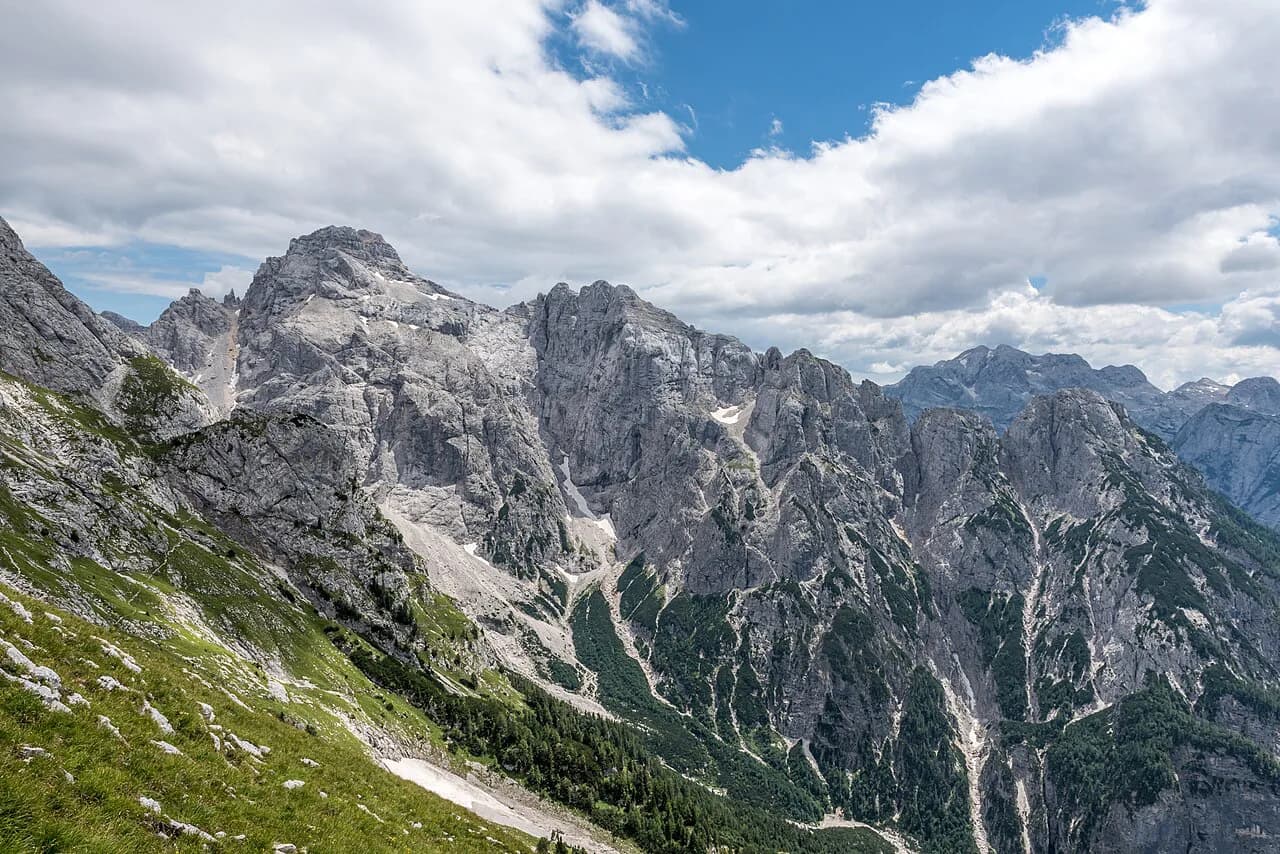
The landscape explains the concentration: much of the country sits on karst, limestone that rainwater has tunneled through to create underground channels, which is why cave systems cluster in the Kras region southwest of Ljubljana. Alpine valleys and their trails belong to a different plan, and our guide to Slovenia national parks covers those separately.
Postojna Cave: cave train, walking route and the 10 °C interior
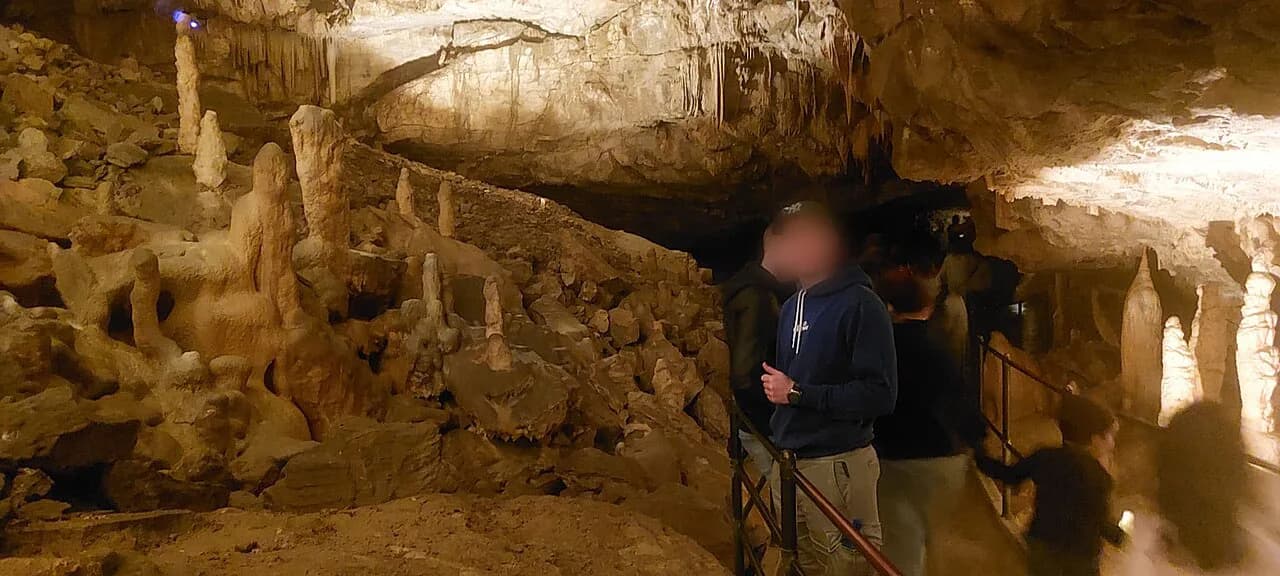
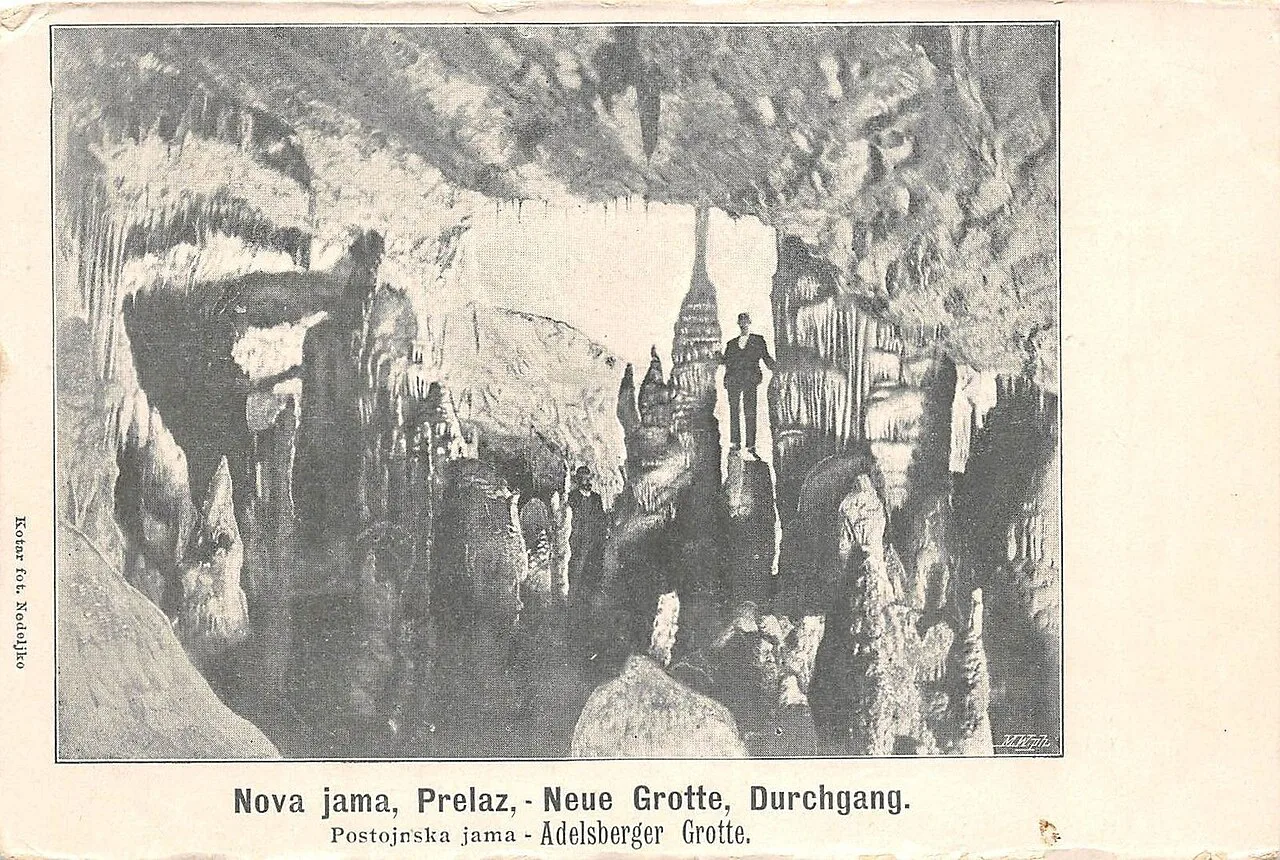
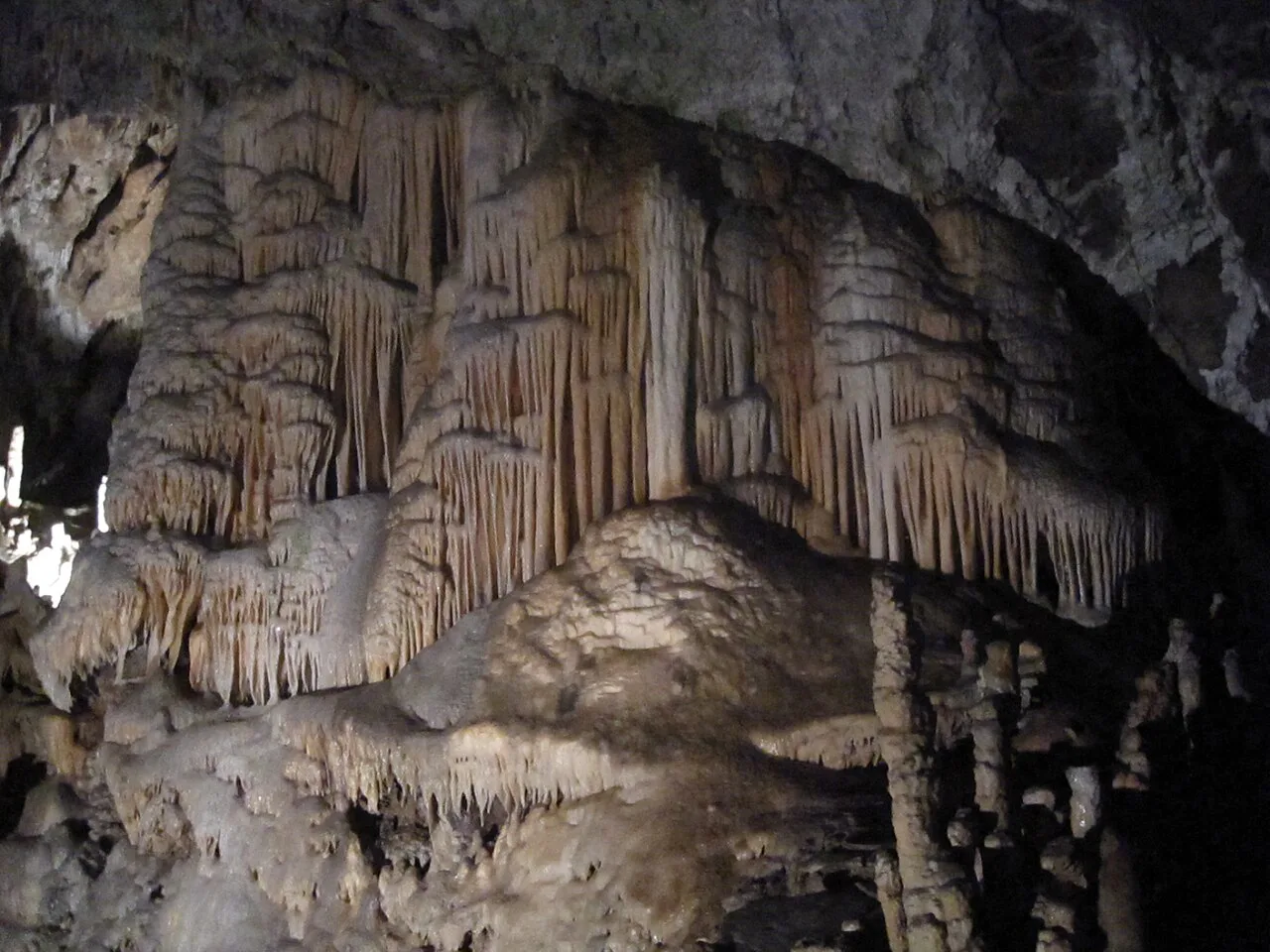
Postojna Cave runs its visit on a train: you ride the underground railway for 3.7 km, along what the park describes as the only double-track cave railway in the world, then continue on foot past the five-meter white stalagmite called Briljant. Train ride plus walk over undemanding ground takes about an hour and a half, and the cave is open every day of the year, holidays included.
The interior holds a constant 10 °C year-round, so the visit is about dressing for a cold room in summer rather than checking a forecast. The park asks visitors to wear warm clothing and sports shoes and describes the route as suitable for everyone, including families with small children and travelers with limited mobility, with guides in Slovenian, Italian, English and German and audio guides in 19 languages.
The cave is also where you meet the olm, the pale salamander the park calls the baby dragon, which can go up to 10 years without food. Boarding closes 15 minutes before the scheduled tour time, so arrive with margin rather than cutting it fine.
Škocjan Caves: the guided route, the underground canyon and the 12 °C chill
Škocjan Caves are visited only on a guided tour, and the experience is a walk rather than a train ride. The route follows trails along the cave walls, crosses a narrow bridge about 50 meters above the Reka River, and passes through an enormous underground canyon before ending at the cave's natural opening. The walk is an overall descent rather than a climb.
The cave is listed on the UNESCO World Heritage List. The air is cold through the first half of the tour at a constant 12 °C and more humid and seasonally variable in the second part because of the river flowing through it. Photographing is not allowed except at the point where the tour reaches the natural opening, so plan on buying a postcard rather than shooting your way through.
Allow real time: the main tour is reported to take roughly 2.5 to 3 hours and to cover about 5 km on foot, which makes it a half-day commitment rather than a quick stop. Bring a jacket even in a heat wave, because the cave air does not follow the outside temperature.
How the Škocjan tour runs and where photography is allowed
Groups walk about 15 minutes downhill from the visitor center to the cave entrance, and because the group can be large it is split into several parties that enter a few minutes apart. Standing near the turnstiles gets you into the first group and saves waiting at the entrance, and the walk back from the cave exit can be done by elevator or on foot past more caves and an underground waterfall, the latter more scenic and more strenuous.
The first departure of the day has been reported at 9, 10 or 11 am depending on the season, with hourly tours in summer and only three or four departures a day the rest of the year, so confirm the day's schedule with the cave operator when you book. A restaurant at the visitor center serves a range of food, which makes the cave a workable lunch stop before you drive on.
Predjama Castle and its cave: audio-guide visit and distance from Postojna
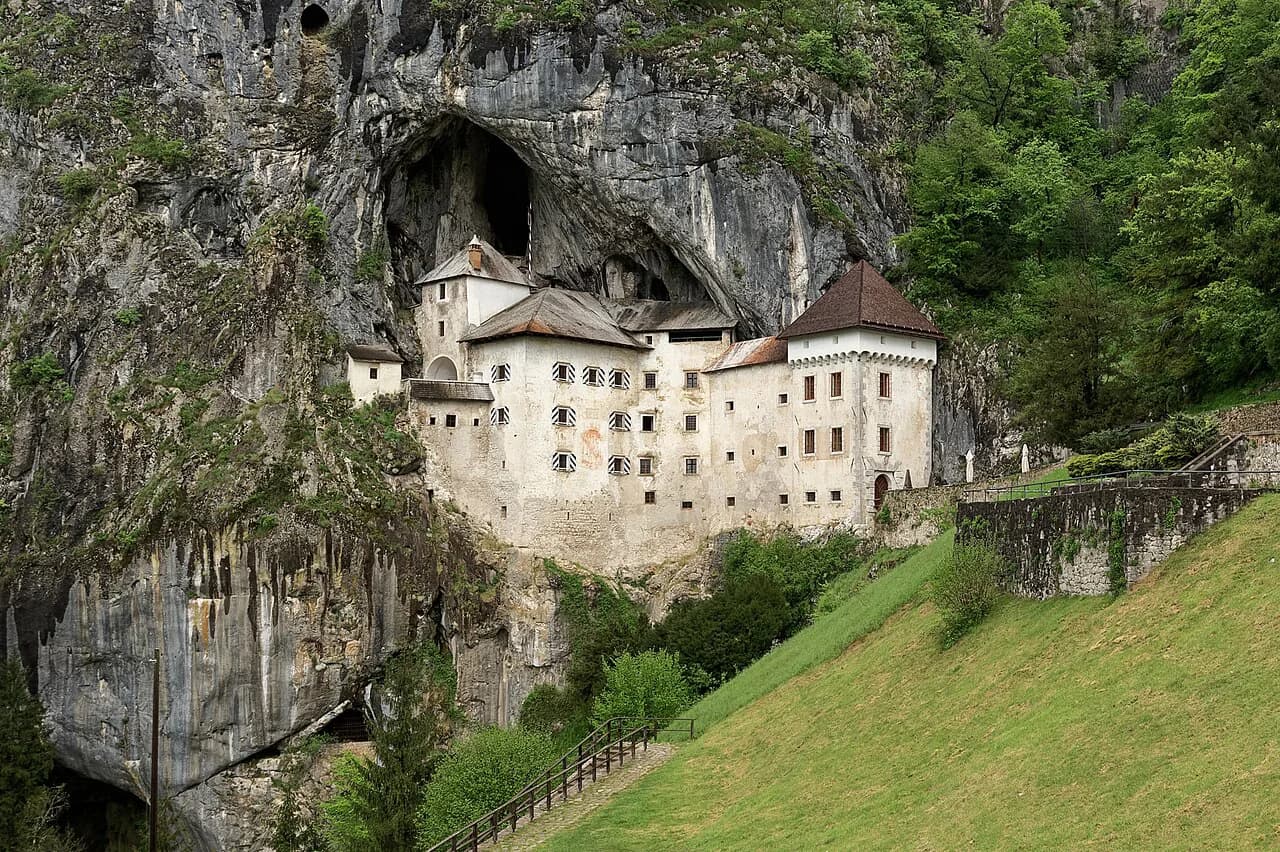
Predjama Castle is built into the mouth of a cave and sits about 10 km from Postojna Cave, which makes it the natural second stop on a Postojna day. The castle visit is self-guided with an audio guide, and the guide is worth taking because the rooms otherwise pass without context. It is a shorter stop than either big cave, so it slots easily into an afternoon.
Beneath the castle lies a separate cave system that spreads across four levels. The cave visit itself runs through the castle's rooms rather than into that system, so treat the castle as a compact add-on rather than a substitute for a full cave tour.
Getting to Postojna Cave from Ljubljana by bus or train
Postojna Cave is about 53 km from Ljubljana, roughly an hour by intercity bus. By train the cave is a 20-minute walk from Postojna station, which is manageable with a day bag but less so with luggage, and both options put you in the town rather than at the cave door, so build the walk into your timing before a fixed tour slot.
Around the cave, the Park of Military History is 8 km away, Planina Cave 8 km, Predjama Castle 10 km and Lake Cerknica 20 km, so a car turns the cave into a full-day loop; without one, pick a single companion sight and use the town as your base between connections. If you are building a wider outdoors itinerary, our Slovenia lakes guide covers the water-based stops that pair with a Karst day.
Getting to Škocjan Caves via Divača and the 3 km walk
Škocjan Caves sit near Divača, about 77 km from Ljubljana, and public transport drops you short of the entrance. A train to Divača leaves a walk to the caves, and the route is also given as a 3 km walk of roughly 35 minutes. The bus from Ljubljana takes about 1 hour 20 minutes plus that same walk.
From the coast the drive is shorter: about 45 minutes from Piran. Around the caves, Vilenica Cave is 11 km away, Lipica 14 km and Predjama Castle 32 km, so a car opens up a chain of stops that the train cannot reach in one day.
Doing Postojna and Predjama in one day, in the park's suggested order
The park's own suggestion for a combined day is to visit Predjama Castle first and Postojna Cave in the afternoon. That order puts the shorter, self-paced castle stop in the morning and leaves the fixed cave slot for later, which reduces the risk of missing a timed entry.
Postojna is open daily, so the constraint is the tour slot rather than the day of the week. Tickets are issued for entry at set intervals and organized by language, and the ticket office sits at the start of the shopping area rather than beside the cave entrance. Buy online when summer demand is high; walk-up tickets have worked but are not something to rely on in peak season.
The park also sells combined tickets covering several of its attractions, which can come out ahead of buying each separately if you plan to see the castle and the cave on the same trip. Compare the package against your actual plans rather than assuming the bundle wins.
Doing Škocjan and Predjama in one day by car
Škocjan and Predjama can be combined in a day, but only realistically with a car: the two are about a 30-minute drive apart, and public transport does not connect them. Plan the cave tour first because it runs on fixed departures and takes hours, then drive to the castle for a self-paced visit; doing it the other way round risks arriving after the last cave departure.
A train gets you to Divača but leaves the walk to the cave entrance, and there is no direct connection onward to Predjama. If you are car-free, pick one of the two and give it the day.
Smaller show caves: Križna jama, Planina jama, Vilenica and Pekel
Beyond the headline caves, a set of smaller show caves opens on a different pattern: some run tours daily only in high season, and others admit visitors only by prior arrangement with a guide. Križna jama, Planina jama, Vilenica Cave and Pekel Cave all fall into this category, so each needs a call or an email before you build a day around it.
These caves reward travelers who want an underground visit without a crowd, but the trade-off is rigidity: a booked slot sets your day's shape, and a cancellation can leave a hole in the itinerary. Confirm the departure and meeting point with the cave operator before you commit to the drive.
Above ground, the Karst plateau is its own reason to slow down, with limestone scenery, stone villages and seasonal water. If your interests run to the animals of the region rather than the rock, our guide to Slovenia's Animals covers what lives in these habitats, and the Slovenia Nature hub is the place to start planning the surrounding outdoors.
What to wear and carry into a 10–12 °C cave
Both big caves sit around 10 to 12 °C inside regardless of the season, so pack a warm layer and closed shoes with grip. Postojna asks for warm clothing and sports shoes, and the Škocjan air stays cold through the first half of the route even in summer, while a light waterproof shell helps on the outdoor walk to the entrances.
Carry water and a snack for Škocjan in particular, since the tour and the walk back add up to several hours on your feet. Leave tripods and drones at the hotel, because photography is restricted inside the cave.
Where to buy tickets and why booking ahead matters in summer
Book the big caves on their official websites and book early for summer dates, when visitation is high enough that walk-up tickets are a gamble. At Škocjan, visitors who buy ahead can also position themselves at the front of the line and get into the first group at the cave entrance, and Postojna ticket packages and current prices sit on the park's own ticketing pages.
Prices are not fixed year to year, so check the current figure on the official site for each cave at the time you book rather than budgeting from an old blog post. In 2025, a third-party account reported the main Škocjan tour at 22 euros; treat that as history and confirm the present rate before you pay.
If your Slovenia trip also includes alpine valleys, waterfalls and gorges, those outings have their own booking and access rules, and our Slovenia gorges guide covers the ones that need advance arrangements. Group your booked cave slots on one or two days and leave the rest of the trip flexible. The Slovenia National Parks guide picks up where mountains and protected valleys take over.
Pick your cave and lock the slot
Choose Postojna if you want a short, easy, all-weather visit with a train ride and a flat walk, and pair it with Predjama Castle in the park's suggested order. Choose Škocjan if you want a longer guided walk over the Reka canyon and can commit half a day, ideally with a car. Choose a smaller cave if you have a vehicle and are willing to book a fixed departure in advance.
Whichever you pick, buy tickets on the official site before you travel, dress for 10 to 12 °C inside, and confirm the day's departure schedule before you set out. If your plans extend into the Alps, the Slovenia nature hub is where the surrounding regions fit together.
Explore more Slovenia guides
Frequently Asked Questions
How many caves are there in Slovenia?
There are roughly 12,000 caves, of which only about 20 are show caves open to visitors. Postojna and Škocjan are the two most visited, and the rest generally require a guide and advance arrangement.
What animals live in Slovenian caves?
The best-known cave animal in Slovenia is the olm, a pale salamander that lives in Postojna Cave and is popularly called the baby dragon. According to the park, it can go up to 10 years without food.
Is Postojna Cave or Škocjan Caves easier for families?
Postojna is the easier fit for families with small children: the route uses a cave train and an undemanding walk, and the park describes it as suitable for families with small children. Škocjan covers about 5 km on a guided walk and takes several hours, which is a bigger commitment.
Sources
- Postojnska jama » Park Postojnska jama - Dobrodošli na uradni spletni strani Postojnska jama
- How to Day Trip to Škocjan Caves and Predjama Castle in Slovenia
- Going underground: Caves in Slovenia
- Caves of the Kras Region | Ljubljana.info
- Activity Review: Caving in Slovenia's Postojna Caves — The UnChartered
Notes for your Slovenia trip
Optional updates to our Slovenia place guides.
You might also like
Continue reading
More guides you'll find useful