Slovenia National Parks: Triglav and the Parks Around It
Triglav is Slovenia's only national park. Here is what it covers, how the park is laid out, and which protected Karst landscapes sit nearby.
On this page
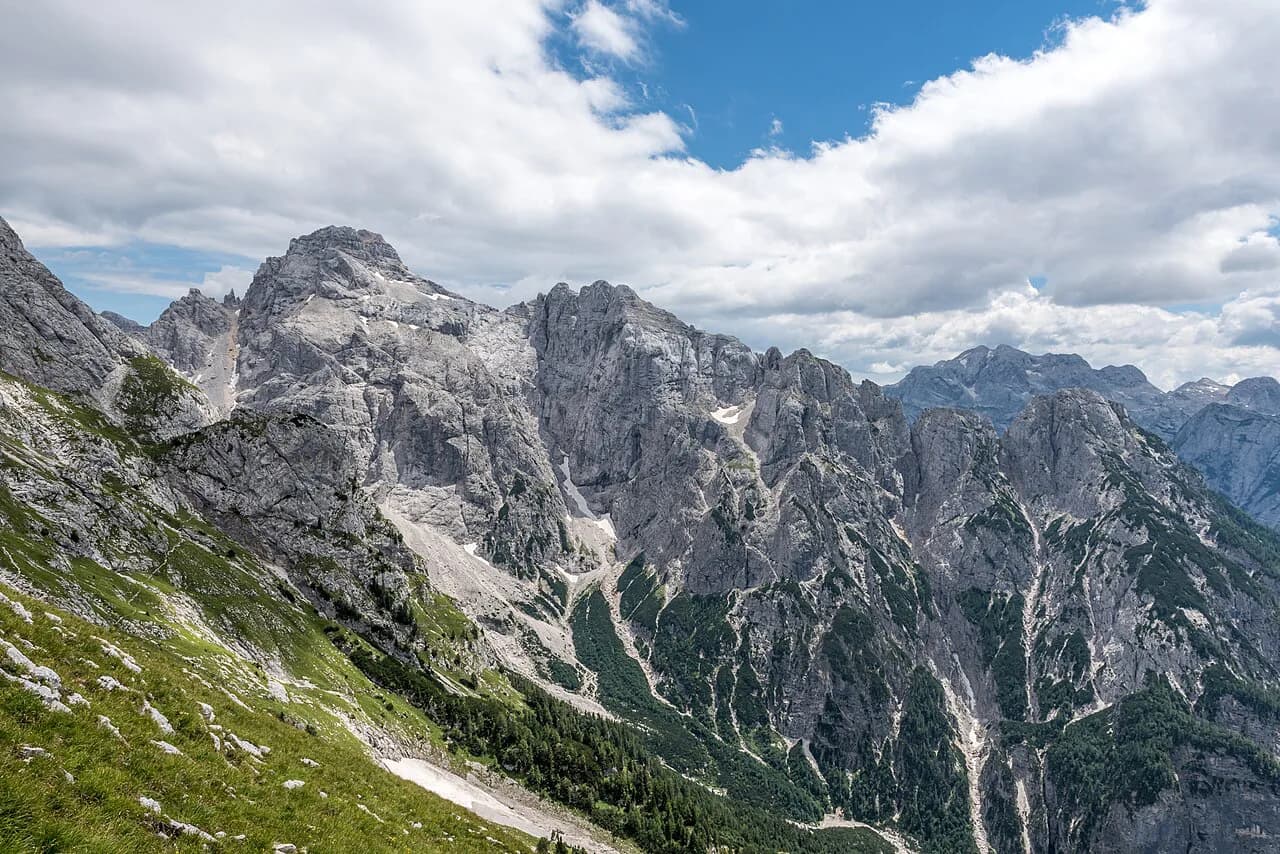
Triglav National Park is Slovenia's only national park, so a trip built around "Slovenia national parks" really means planning one large park in the northwest plus the protected landscapes that sit outside it. The park covers 840 square kilometers, about 4 percent of the country, and it protects the core of the Julian Alps around Triglav at 2,864 meters. This guide covers how the park is laid out, the municipalities and valleys that fall inside it, the rules that change how you spend a night there, and the Karst and regional protected areas worth adding on.
Where Triglav National Park sits
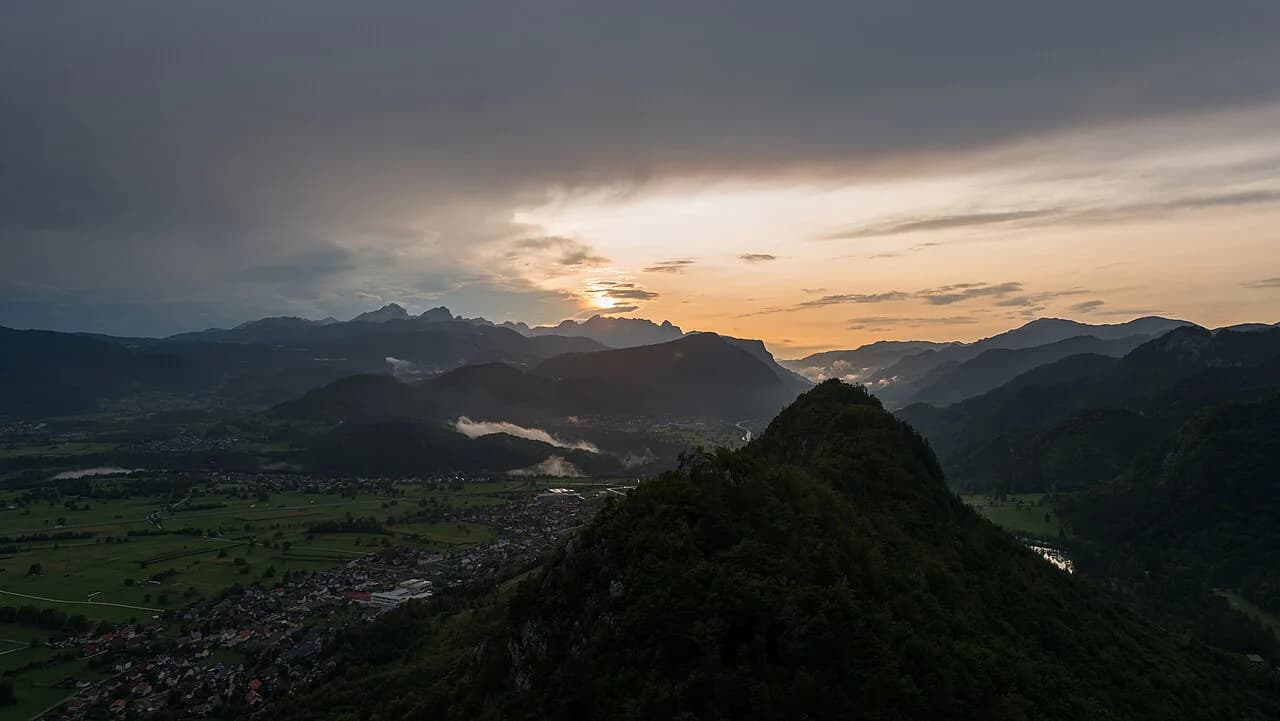
Triglav National Park lies in northwestern Slovenia along the Italian border and close to the Austrian border, in the southeastern part of the Alpine massif. It is one of Europe's older protected areas, first set aside as a conservation area in 1924, and today it accounts for about 4 percent of Slovenia's territory. The park boundary encloses most of the Julian Alps, with the massif's highest ground in the center and river valleys draining away from it toward the south and east.
The Soča and Sava rivers both rise from the glaciers and snowfields on the slopes of Triglav, and their valleys are the main corridors visitors drive into. If you come from Lake Bled, you are already at the park's southeastern edge, while the Soča valley approach runs in from the west through Bovec and Kobarid.
How big the park is and how the protection zones divide it
The park covers 83,982 hectares, split into three protection zones that explain why rules feel stricter in some valleys than others. The first protection zone covers 31,488 hectares, the second 32,412 hectares and the third 20,082 hectares. Read the zone map before you pick a base, because a trailhead or parking area in the first zone comes with tighter limits than one in the third.
Forests cover about two-thirds of the park, from valley floors up to high plateaus, with beech, spruce and larch as the characteristic trees. The elevation range is the other number that shapes a visit: the highest point is Triglav at 2,864 meters and the lowest is the Tolmin Gorges at 180 meters, a spread of more than 2,500 meters. That gap is why a morning in a valley and an afternoon on a ridge can feel like two different seasons.
Which towns and valleys sit inside the park
Eight municipalities overlap the park boundary, and the shares tell you where the park actually is on the ground. Bovec accounts for 30.1 percent of the park area, Bohinj for 26.3 percent, Kranjska Gora for 16.9 percent, Gorje for 12.7 percent, Tolmin for 8.4 percent, Kobarid for 3.7 percent, Bled for 1.8 percent and Jesenice for 0.1 percent. Basing yourself in Bovec or Bohinj puts you deep inside the protected area, while Bled and Jesenice sit mostly outside it.
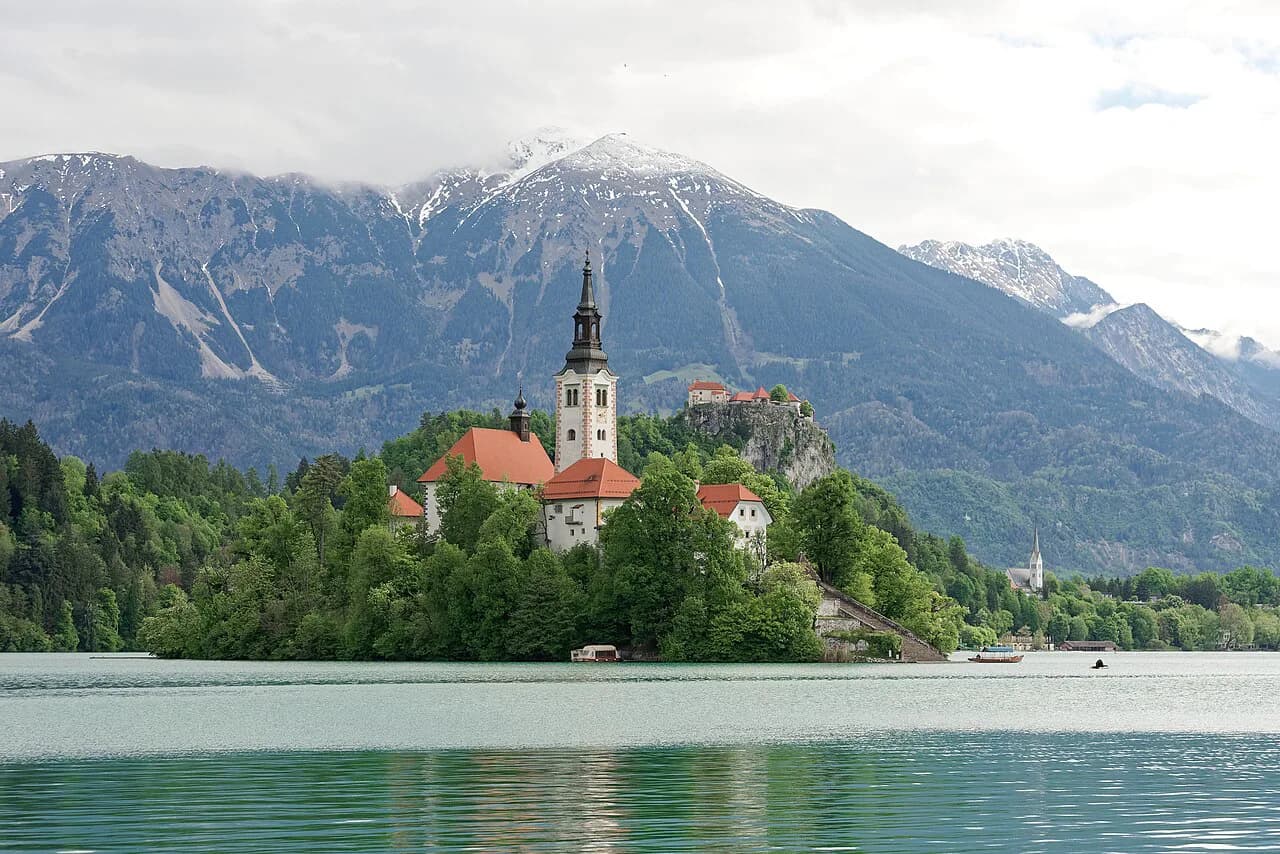
The park contains 33 settlements, 21 entirely inside the boundary and 12 partly inside it, so villages rather than wilderness make up much of the inhabited edge. Lake Bohinj is the biggest of the park's glacial lakes and the one most travelers see first, with the Julian Alps rising as a wall to the north. Bohinj and the Soča valley around Bovec are the two most practical places to sleep if you want short drives to trailheads, and both are covered in more detail under Slovenia lakes.
Lakes, valleys and the Tolmin Gorges
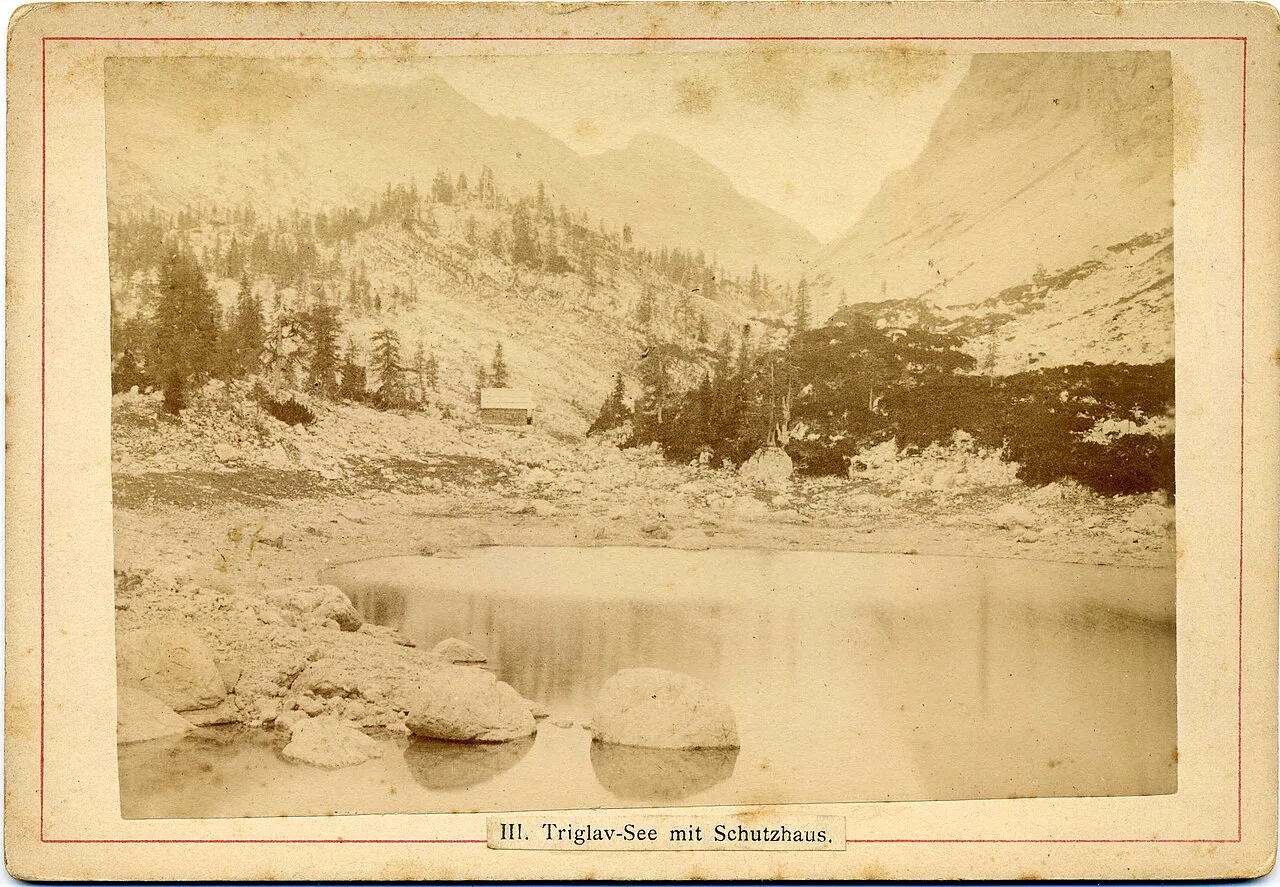
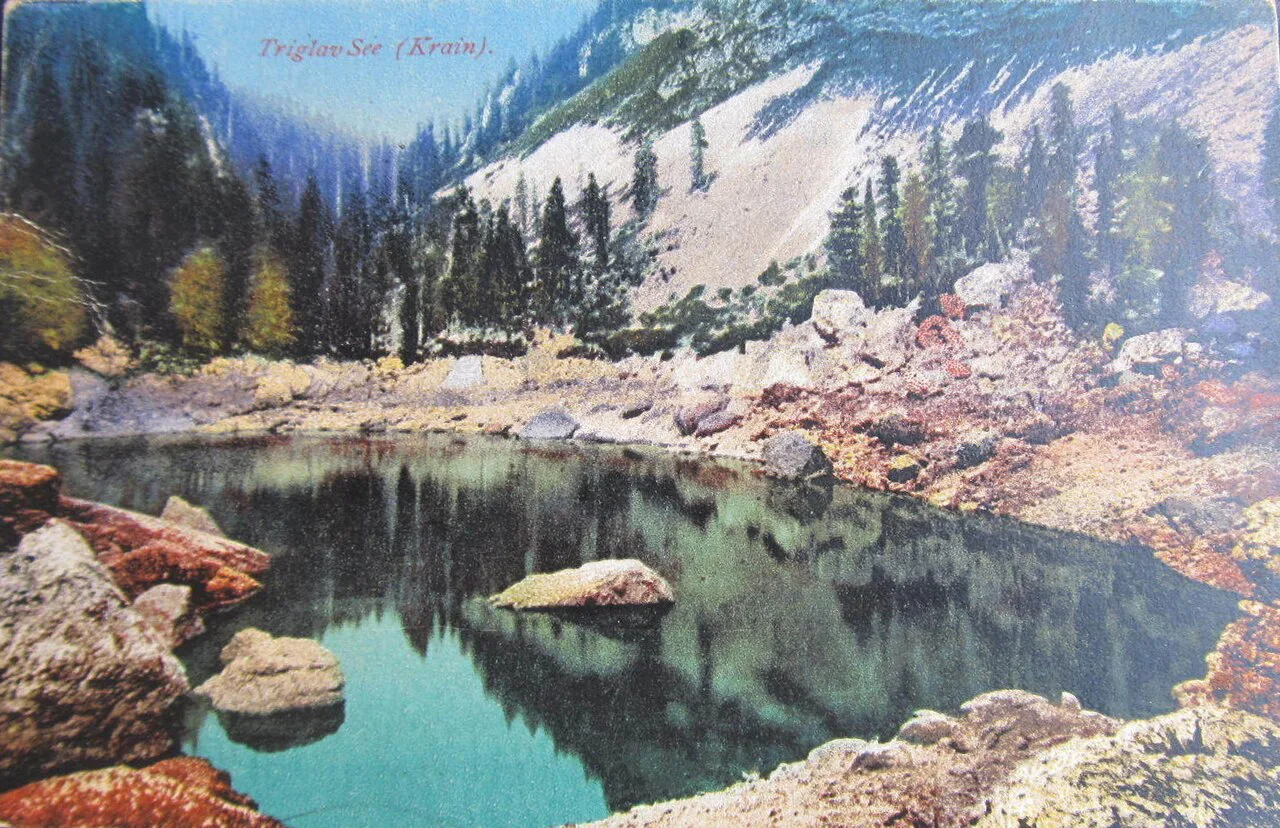
Glaciers left the park a chain of high mountain lakes, including Lake Bohinj, Lake Krn, Triglav Lake and the Lower and Upper Križ Lakes, set among glacially carved U-shaped valleys. The Soča Trail and the Tolmin Gorges Trail are the two named routes that appear alongside the Goreljek Bog nature trail when the park's landscapes are mapped. Treat the lake and gorge names as a shortlist of places to look up on the park's own trail pages before you commit a day to any one of them.
Water is the thread running through the park, from the Soča and Sava sources to the waterfalls and gorges cut into the limestone. The Boka Falls drop 106 meters in the main fall with a second drop of 33 meters, reached from the Vrata valley below Triglav. If waterfalls are the draw, Slovenia waterfalls covers the wider set of falls you can reach from the valleys.
Rules that change how you plan a night in the park
Camping and parking inside Triglav National Park are allowed only in specially designated areas, and the park prohibits littering, picking flowers and lighting fires. That single rule reshapes a road trip: you cannot pull off at a trailhead and sleep in the van, and you should identify a designated spot or a bed in a gateway village before you drive in. The park also runs information centers and info points where staff can point you to designated areas and guided options.
The park publishes visitor guidelines alongside its zone maps, and reading them before you go saves arguments at a trailhead. Carrying out everything you bring in and keeping fires off the ground are the basics; the guidelines add the details for specific valleys and quiet zones.
Quiet zones and what they mean for where you can go
The park has 134 designated quiet zones covering roughly 10,000 hectares, areas set aside to protect animal and plant species and their habitats. Visits and activities in these zones are limited in time and space, or adapted so they cause less disturbance. In practice that means checking whether your chosen valley or lake falls inside a quiet zone before you plan a full day there, and adjusting your route if it does.
Wildlife is the reason for the restrictions: the park records around 7,000 animal species, plus 19 endemic plants found only in this area. Brown bear, lynx, red deer, ibex and chamois live in the park, and the golden eagle is among the 84 bird species recorded there. For where to look and how to behave around large mammals, see Slovenia's Animals and the separate guide to bears in Slovenia.
Where to start: information centers and gateway valleys
Start at one of the park's information centers or info points, where you can pick up maps, ask about designated camping and parking areas, and join a guided tour or workshop. The centers are the practical answer to most first-visit questions, from which valley suits a short walk to where the quiet zones begin. Kranjska Gora, on the park's northern edge, works as a base for the Vrata and Krnica valleys and for the Martuljek range.
From Ljubljana, the park is roughly an hour's drive, and having your own car makes the valleys far easier to link than public transport. The trade-off is parking: with parking restricted to designated areas, an early start matters more than a long list of stops. Pick one valley per day, park once, and walk from there.
Regional parks and protected landscapes outside Triglav
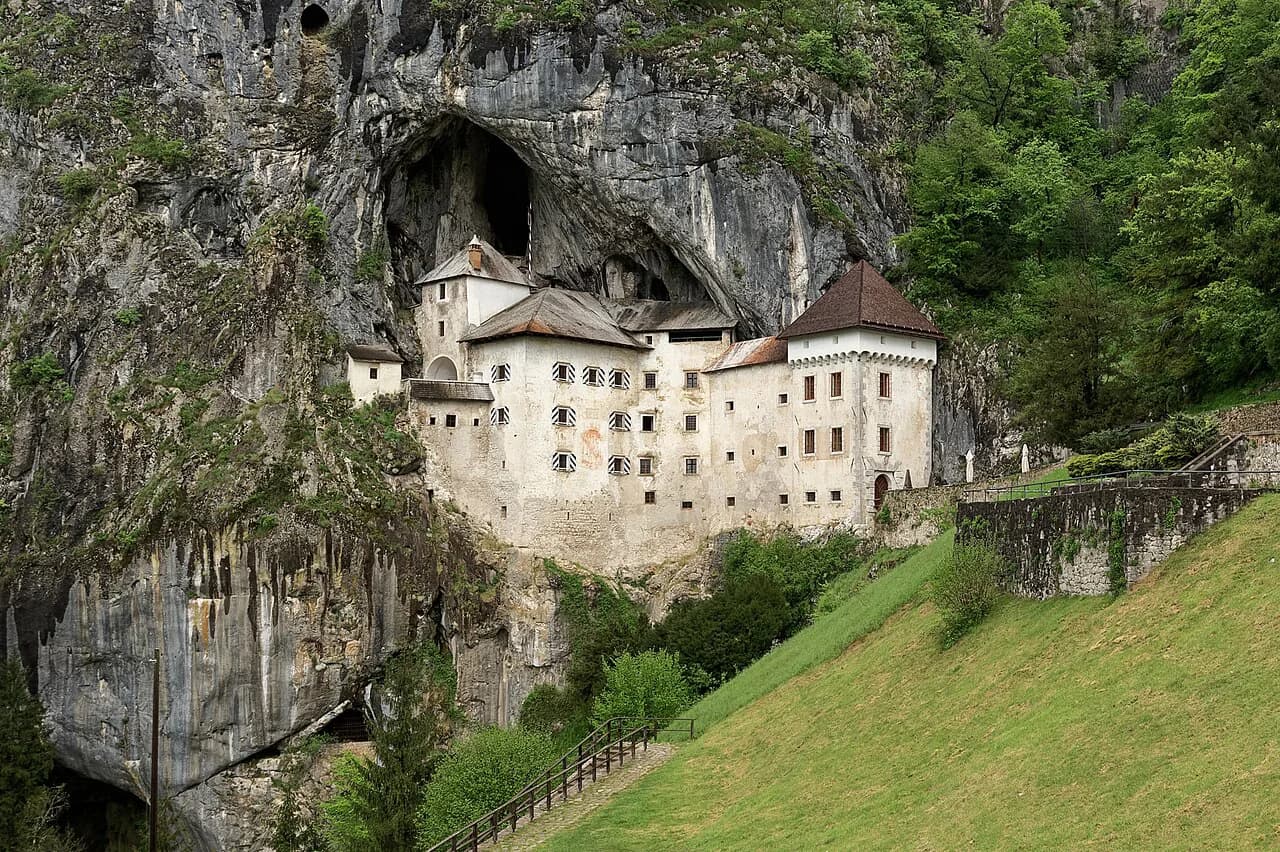
Because Triglav is the country's only national park, the rest of Slovenia's protected land comes as regional parks, landscape parks and reserves, each protecting something different. The Škocjan Caves area in the Karst protects a limestone cave system and the gorge around it, and it is managed as a separate reserve rather than as part of Triglav. The Škocjan Caves and other underground sites are covered in Slovenia caves, including Postojna Cave.
In the southeast, the Kočevje forests and the Dinaric Alps hold large stretches of continuous woodland and the country's strongest bear population. Kozjansko and Goričko protect cultural landscapes of orchard, vineyard and field in the east and northeast, while the Logar Valley and the Sečovlje salt pans protect an alpine valley and a coastal wetland respectively. The Sečovlje pans sit near the coast and pair naturally with a Piran or Koper day, and the Kočevje forest town makes a sensible base for the southern woods.
Gorges cut into limestone are the thread linking the Karst reserves with the Julian Alps, and they reward a separate day rather than an add-on to a mountain itinerary. Slovenia gorges covers the Tolmin Gorges, Vintgar Gorge and the other walkable ravines, and it is the right page to open once you have fixed your park days.
Getting there and choosing a base
Most travelers reach the park by car, either from Ljubljana or from a base around Lake Bled at the park's southeastern corner. From Ljubljana the drive is about an hour, and a rental car picked up at the airport lets you move between valleys without waiting on connections. Renting a car is the arrangement most visitors use for the Julian Alps, and it is worth booking ahead in summer.
The choice of base comes down to which valleys you want first: Bohinj for the lakes and the park's southern side, Bovec for the Soča valley, and Kranjska Gora for the northern valleys and the Vršič road. A week gives you room for a couple of bases rather than one, and three days is the minimum most people need to see a spread of the park. Nights inside the park itself are limited to designated camping areas and village accommodation.
Which base fits your Triglav trip
Choose Bohinj if you want lakes and a southern approach, Bovec if the Soča valley is the priority, and Kranjska Gora if you plan to drive the northern valleys. Wherever you sleep, confirm your parking and camping arrangement before you arrive, since both are restricted to designated areas inside the park. Add a Karst day for the Škocjan Caves only if you have a spare day beyond the park itself.
Explore more Slovenia guides
Frequently Asked Questions
Is Triglav National Park the only national park in Slovenia?
Yes. Triglav National Park is Slovenia's only national park, covering 840 square kilometers, about 4 percent of the country. Other protected areas such as Kozjansko, Goričko, the Logar Valley and the Sečovlje salt pans are regional parks, landscape parks or reserves rather than national parks.
Can you camp inside Triglav National Park?
Camping and parking inside the park are allowed only in specially designated areas. Sleeping at a random trailhead or roadside pull-off is not permitted, so identify a designated site or book a bed in a gateway village such as Bohinj, Bovec or Kranjska Gora before you drive in.
How long do you need in Triglav National Park?
Plan at least three days to see a spread of the park, and a week if you want two bases, such as Bohinj and Bovec, with time in each. Distances between valleys are short but roads are slow, and parking is limited to designated areas, so one valley per day works better than a long list of stops.
Sources
Notes for your Slovenia trip
Optional updates to our Slovenia place guides.
You might also like
Continue reading
More guides you'll find useful