Slovenian Architecture: What to See Beyond Ljubljana
Slovenian architecture outside Ljubljana: Venetian Gothic on the coast, Baroque in Ptuj and Maribor, Alpine farmhouses and hayracks, and Karst stone villages.
On this page
Slovenia packs four distinct building traditions into a country you can cross in a long day, and most of them sit outside the capital. Venetian Gothic lines the harbors at Piran and Koper, Baroque townhouses frame the squares of Ptuj and Maribor, timber farmhouses and hayracks mark the Alpine villages around Bled, Bohinj and the Soča valley, and compact stone settlements cover the Karst plateau. This guide treats each region as its own short architecture stop and names the building types to look for, so you can match a style to a route you were already planning.
The practical catch is that the most rewarding details are exterior details: carved stone portals, painted facades, wrought-iron balconies and timber joints. Facades can be seen from the street at any hour, while churches, museums and private houses depend on published opening arrangements you should confirm locally before you build a day around one.
Four Regional Styles, One Trip
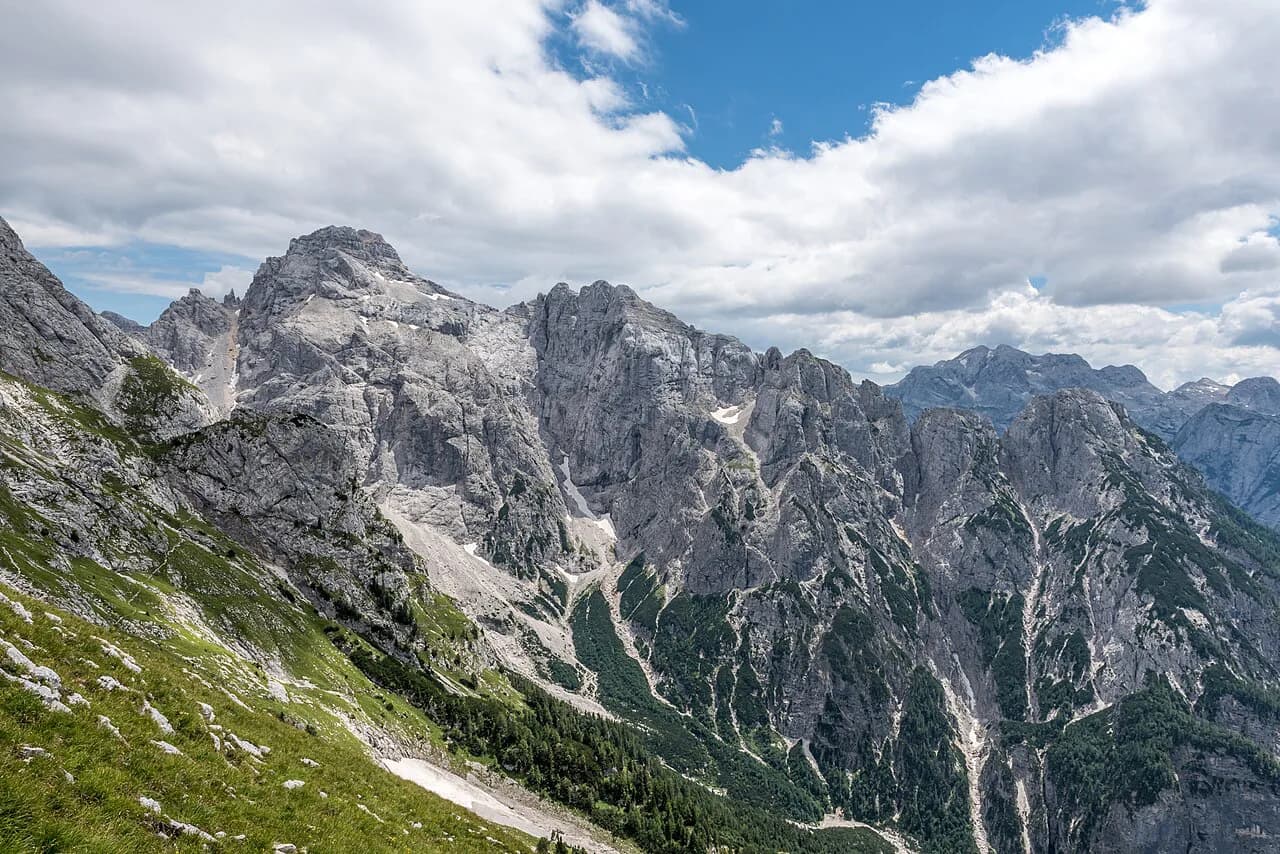
Think of Slovenian architecture as a set of coastal, northeastern, Alpine and Karst layers rather than a single national style. The coast faces the Adriatic and shares building forms with the Veneto; the northeast developed distinct Baroque town centers; the Alps favored timber and stone built for snow; the Karst plateau used the local limestone heavily. Each region reads differently in a single afternoon of walking, which makes architecture an easy way to structure a multi-stop trip.
Budget about half a day for the architecture in a single town: a coastal old core takes a slow two hours, a Baroque square perhaps forty minutes. If you want the wider cultural frame, from language to folk custom, the Slovenia culture pages give useful context for what you are looking at.
Venetian Gothic on the Coast: Piran and Koper
Piran is the clearest place to see Venetian Gothic on the coast: narrow lanes open onto its main square, Tartinijev trg, ringed by townhouses with stone arcades and carved upper windows. Walk the waterfront for shuttered, pale-stone fronts facing the sea. The layout rewards wandering rather than a checklist, and the compact old core is easy to cover on foot.
Koper shares the same Adriatic vocabulary, with Venetian, Renaissance and later layers often sitting on the same facade. Look for pointed arches and lion reliefs next to plainer Renaissance windows. Both towns are small enough to combine with a coastal stop rather than a dedicated day.
Baroque Squares and Townhouses in Ptuj and Maribor
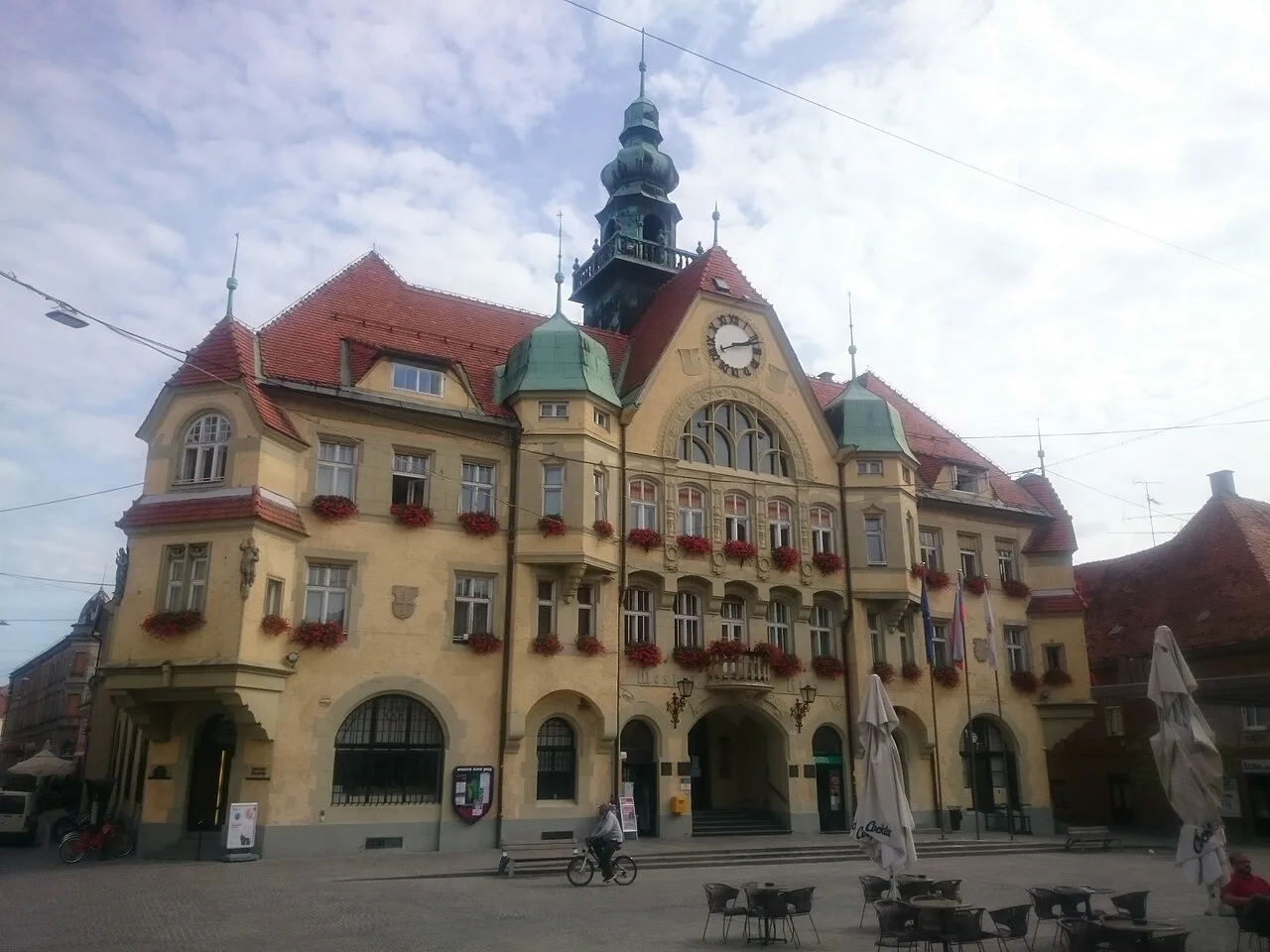
Ptuj's old town is the northeast's most concentrated stretch of townhouses, with painted facades and stone portals lining the streets toward the castle hill. Walk slowly and look at the plasterwork and window surrounds rather than the shopfronts at street level. The scale is small: two unhurried hours covers the core.
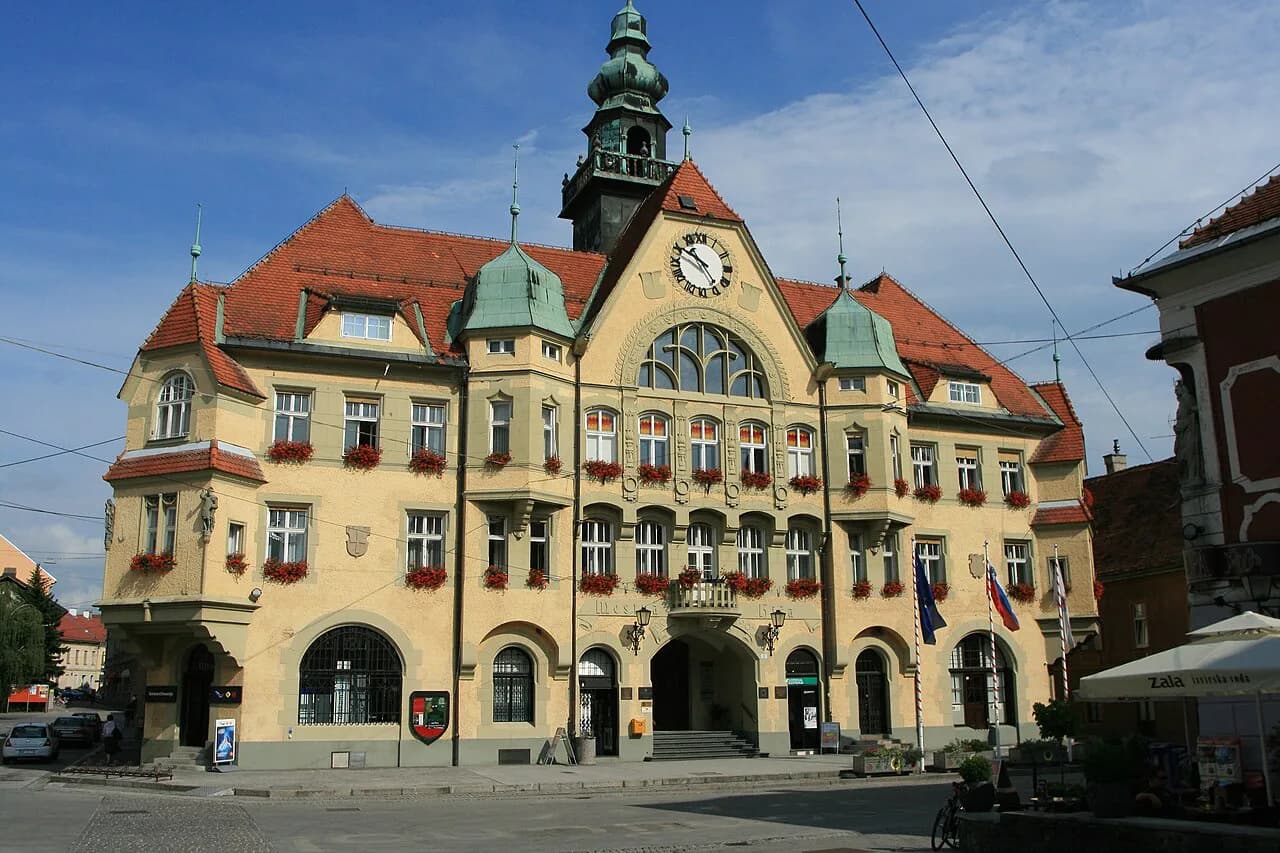
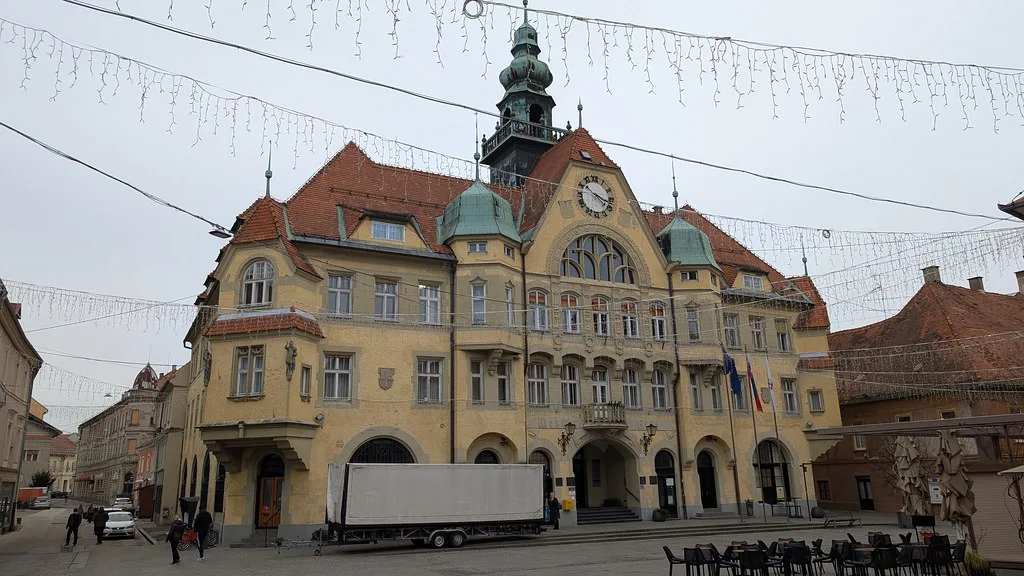
Maribor's main square, Glavni trg, is anchored by the Town Hall, with burgher houses framing the space in Baroque and later styles. From there the riverside Lent quarter shifts the tone to lower, older houses along the Drava, and the cathedral and its surrounding streets add another layer. A half day lets you walk the square, the riverfront and one or two side streets without rushing.
Slovenian public holidays and religious observances shape what is open and how towns feel, from processions to Labour Day closures on 1 and 2 May. Checking these dates before you commit to a town-center day saves a wasted morning, and the Slovenian Traditions guide covers the calendar and customs around the year.
Alpine Building: Farmhouses, Barns and Hayracks
Around Bled, Bohinj and the Soča valley, the building type to watch for is the timber farmhouse with a steep roof, a stone base and balconies running along the upper floor. Villages such as Ribčev Laz and Stara Fužina in Bohinj keep clusters of these houses within a short walk of the lake, so a lakeside loop doubles as an architecture walk. Look at the roof pitch and the depth of the eaves: both are engineered for heavy snow.
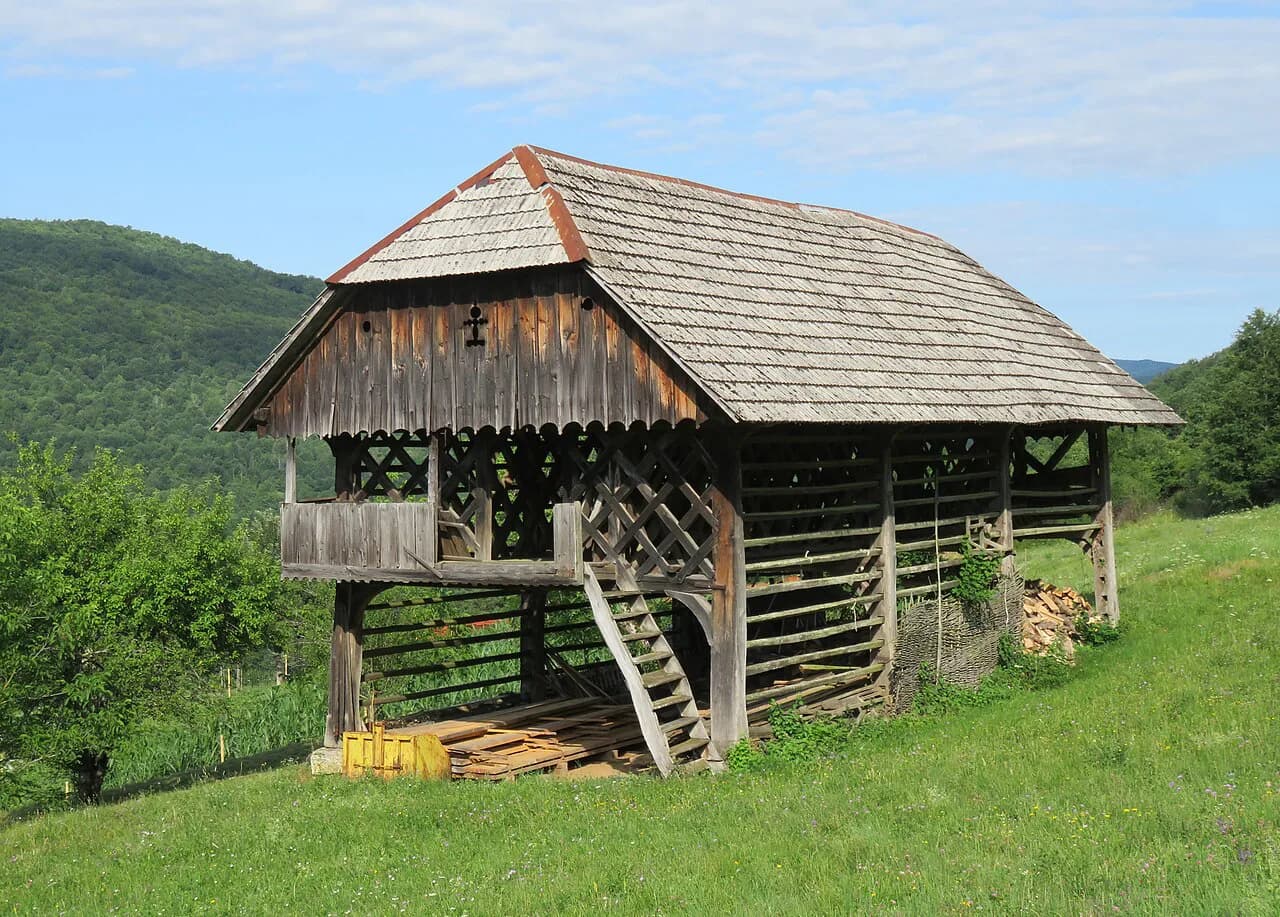
The hayrack, the kozolec, is the other Alpine structure you will see in fields and farmyards: a freestanding timber frame for drying hay, often with a roof and slatted sides. The Kozolec: Slovenia's Traditional Hayrack and Where to See Them guide explains the different forms and where they survive in the landscape.
Drive the valley roads rather than only the main highway, since the best farmhouse and barn groupings sit in the hamlets off the main routes. Distances are short in the Soča valley, but mountain roads are slow and some pass roads close seasonally, so build in extra time instead of a tight schedule.
Stone Villages of the Karst: Štanjel and the Plateau
Štanjel is the Karst village to prioritize: houses built of the pale local limestone, narrow stepped lanes and a fortified core that reads as one continuous stone surface. Walk the lanes and look at the way roofs, walls and paving share the same material, which gives the village its uniform gray-gold color. The compact size means an hour of strolling is enough to see the fabric of the place.
Across the plateau, smaller villages repeat the pattern of limestone walls, low roofs and enclosed courtyards, often with a church tower as the only vertical marker in the landscape. Use the Karst base towns as a loop and stop where the lanes look walkable, since the architecture here is street-scale rather than a single monument. Winter brings the bora wind, which is worth factoring into a plateau day.
Contemporary Slovenian Architecture: Names to Look For
Contemporary Slovenian practice carries a strong regional sensibility into new buildings, and a few offices are frequently profiled in architectural writing. Architect Nande Korpnik, born in 1962, is tied to Velenje, a planned city in the Šalek valley where the twentieth-century layout is itself part of the architectural story.
Ljubljana has the densest concentration of named buildings, including Plečnik's work such as Plečnik House and St. Michael Church, both recorded as located in the capital. Treat the city as a short architectural add-on to a wider trip rather than the main event, and see the wider picture in the Slovenia Culture guide.
The capital's Art Nouveau layer is also easy to read on foot, with the work of Maks Fabiani and Ciril Metod Koch shaping streets rebuilt in the decades around 1900. Art Nouveau landmarks in the city center include the Cooperative Bank Building and Grand Hotel Union; with only an afternoon, walk between those two.
For a different century, Socialist-era buildings, memorials and spomeniks sit across the country, from Velenje's planned center to Novo Mesto's health center and the monuments of Bohinjska Bistrica and Begunje. They are scattered, so treat them as roadside stops tied to towns you are already passing rather than a dedicated itinerary.
Fitting the Regions into an Itinerary
A workable architecture loop takes in two regions in three or four days: coast and Karst pair naturally through Piran, Koper and Štanjel; Ptuj and Maribor form a northeast day or overnight; the Alpine villages fit any Bled, Bohinj or Soča itinerary. Trying to add all four in one short trip means long drives and shallow stops, so choose the pair that matches your route.
Distances are short but slow: coastal towns sit close together, while Maribor to Ptuj and the Alpine valleys to the Karst are each a half day of driving with stops. Use the motorway network for the long hops and save your patience for the valley and plateau roads, where passing places and village speed limits keep you slow.
Where to Look, and How to Plan Around Seasonal Openings
The most reliable architecture viewing is exterior: squares, facades, church towers, hayracks in fields and stone lanes. These are the reason to walk rather than drive through a town. Build your day around streets and squares, and treat any interior as a bonus if it happens to be open while you are there.
Interior visits to churches, museums and palaces depend on published opening arrangements that change by season, and no single source covers them all. Check the town's official tourism site or the building's own listing for the days you plan to be there, and confirm before you set out on a day built around one interior.
Which Region Should You Build Your Architecture Day Around?
If you want the strongest single-day architecture stop, pick Piran for Venetian Gothic streets and a waterfront, or Ptuj for a compact Baroque core you can cover on foot. If your route already runs through the Alps, Bohinj delivers farmhouses and hayracks without a detour, and Štanjel gives you the Karst stone village in an hour.
Match the region to your existing route rather than adding a separate architecture leg, and check each town's official tourism site before you travel for interior opening days if a specific building matters to your plan. That way the buildings become part of a coast, northeast or Alpine trip you were already taking.
Explore more Slovenia guides
Frequently Asked Questions
Is Slovenian architecture mostly Baroque?
No single style dominates. This guide groups it into four layers: Venetian Gothic-influenced coastal towns such as Piran and Koper, Baroque-era town centers in the northeast such as Ptuj and Maribor, timber farmhouses and hayracks in the Alps, and limestone villages on the Karst. The style you see depends on which region you visit.
Can I see these buildings without paying admission?
Much of what this guide covers is exterior—squares, facades, lanes and hayracks in fields. Interior visits to churches, museums and palaces vary by season, so check each building's own listing or the town's official tourism site for the days you plan to be there.
Where can I see contemporary Slovenian architecture?
Velenje is tied to architect Nande Korpnik, and its planned city layout is part of the story. Ljubljana has the densest cluster, including Plečnik's Plečnik House and St. Michael Church. Architectural writing also profiles contemporary Slovenian offices.
Sources
Notes for your Slovenia trip
Optional updates to our Slovenia place guides.
You might also like
Continue reading
More guides you'll find useful