Carniolan Bee: Slovenia's Native Honey Bee and Why Beekeepers Want It
The Carniolan bee is Slovenia's native honey bee, valued for gentle temperament, an early spring build-up, and thrifty wintering in a small cluster.
On this page
The Carniolan bee is Apis mellifera carnica, the honey bee subspecies native to Slovenia and a broad stretch of Central Europe, named for Carniola, the historical region that covers much of present-day Slovenia. Beekeepers elsewhere seek it out for a calm colony, an early and rapid spring build-up, and economical wintering. This guide explains those traits, where the bee comes from, how it compares with Italian bees, and how the bee fits into Slovenian culture and beekeeping tourism. Slovenian honey is the practical output of that beekeeping heritage.
It is written for two readers: the beekeeper weighing a package or a queen, and the traveler curious about why honey bees carry so much weight in Slovenia. Both need the same thing, which is an honest account of what the subspecies does well and where management has to step in.
What the Carniolan bee is and where the name comes from
Apis mellifera carnica takes its name from Carniola, the historical region in what is now Slovenia, and the Slovenian Beekeepers' Association describes it as autochthonous across a wide area of Central Europe. Its range covers the whole territory of Slovenia, a small part of northern Italy, the eastern Carnian Alps, much of Austria including Carinthia, Styria, Lower Austria and Burgenland, most of Hungary, and parts of Romania, Serbia, Montenegro, Bosnia and Herzegovina, and Croatia. In other words, the bee's home is a continental belt with cold winters and warm summers, not a single valley.
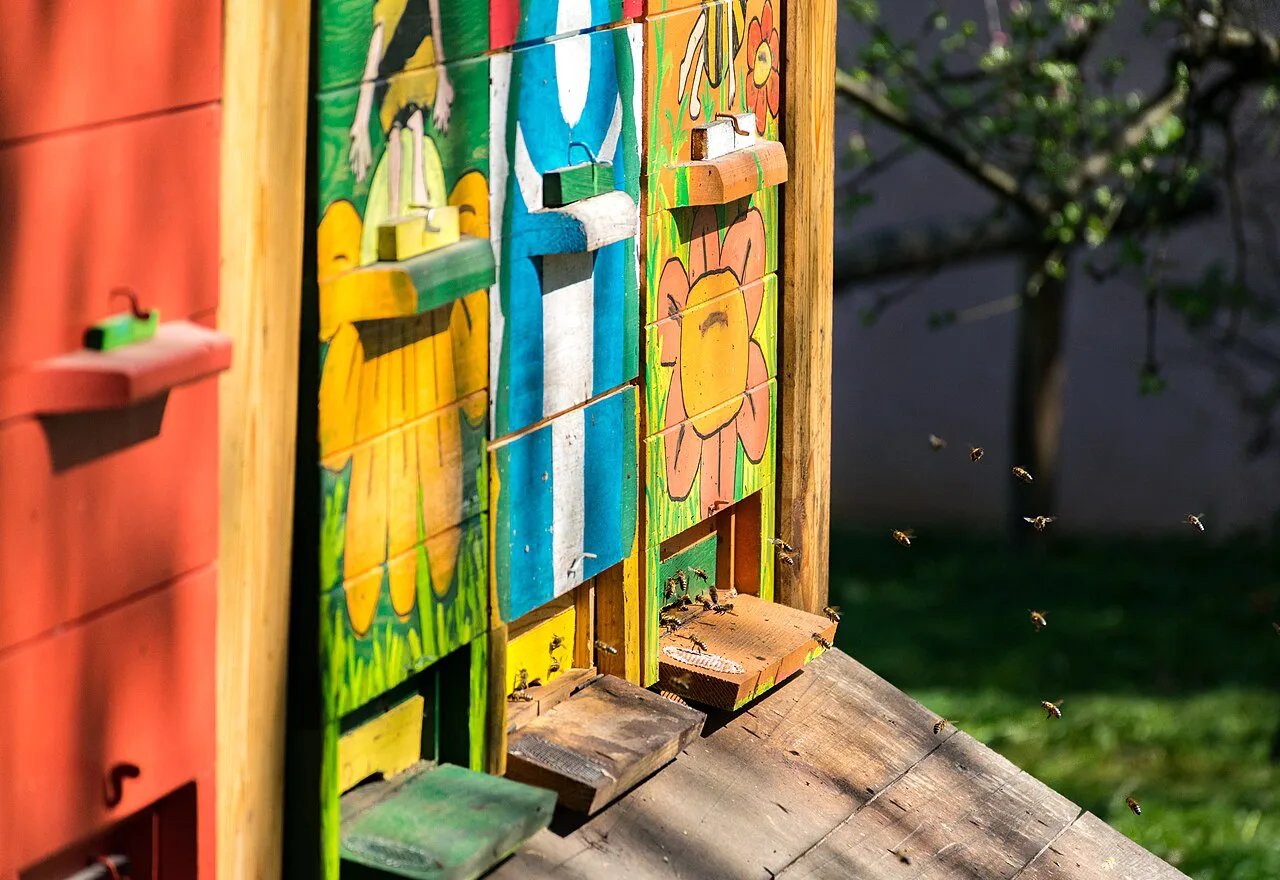
In Slovenian the bee is Kranjska čebela, and it sits alongside painted hive panels and open-air bee houses as part of the country's beekeeping identity. If you want the wider frame, the Slovenia culture overview puts beekeeping in context with the country's other rural traditions.
Where Carniolan bees are native
The native range is broad rather than strictly Slovenian, which matters if you are deciding whether the subspecies suits your own apiary. A bee shaped by continental winters and long, warm summers is not automatically the right choice for a wet, changeable Atlantic climate, and the bee's origin is the first thing to weigh.
That range also explains the export history: breeders in Slovenia and neighboring countries have long supplied queens and packages to beekeepers further north and west. Slovenian queen breeders now sell roughly 40,000 queens a year, mostly to Central and Western Europe, and the association reports that exports are increasing annually.
What makes the Carniolan bee distinctive
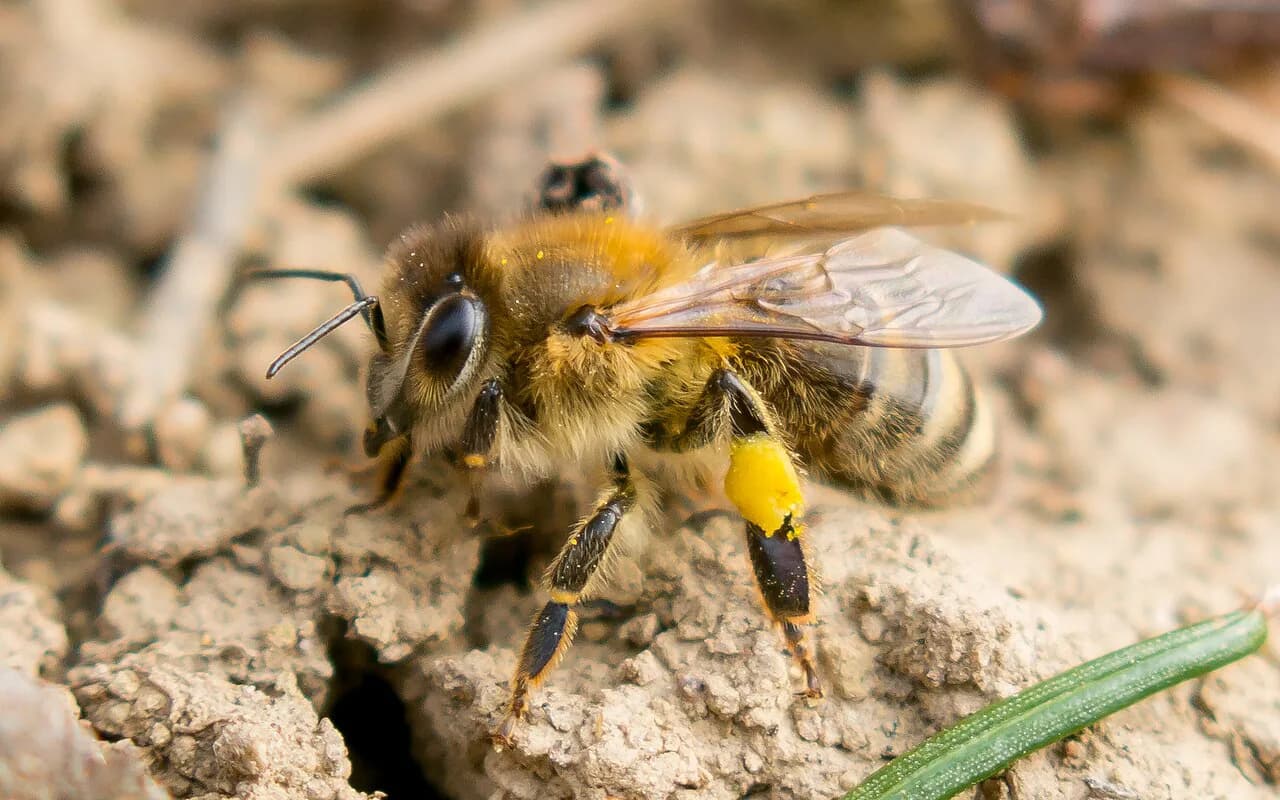
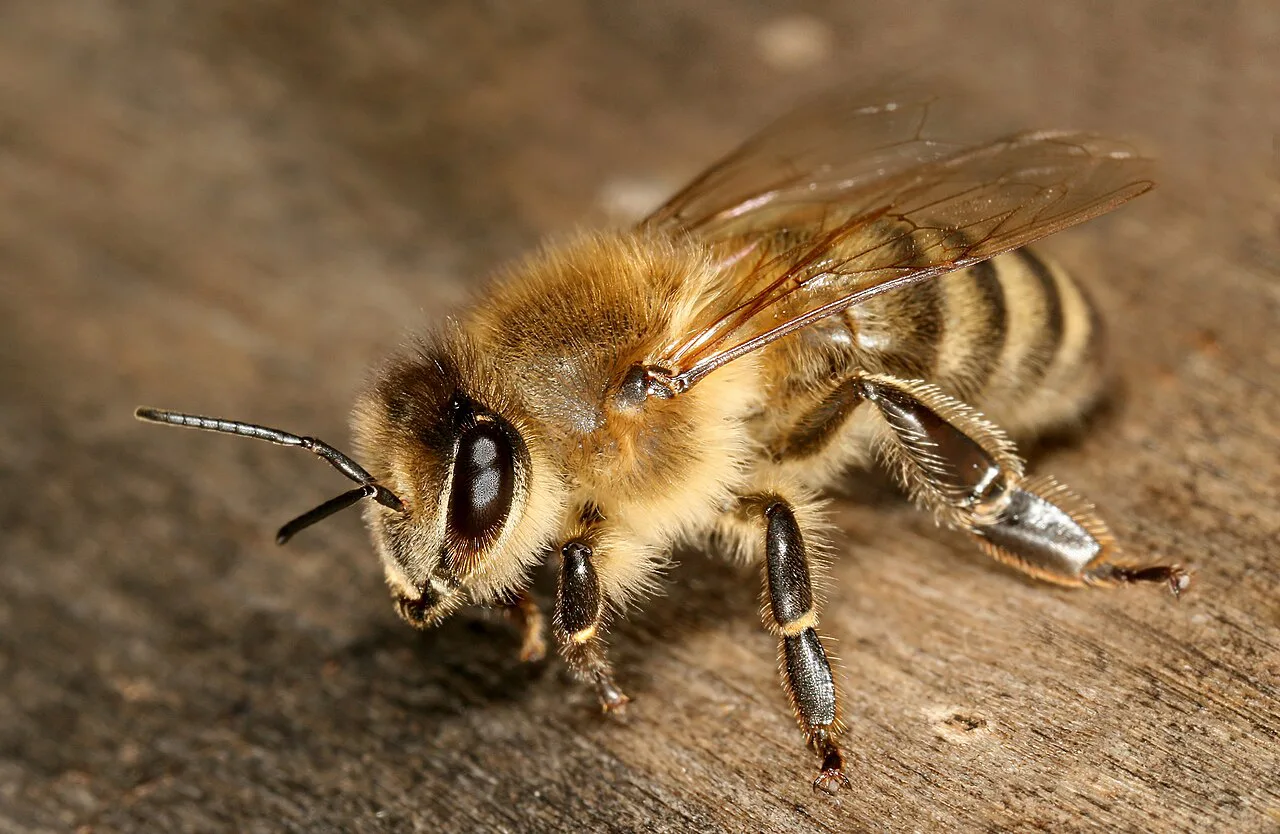
The Carniolan is often called the grey bee, because thick short grey hairs cover several abdominal segments and partly hide the dark body beneath, giving the bee a frosted look. Slovenian beekeepers nicknamed it the grizzly for the bright grey hair along the edges of its abdomen, and the association uses that nickname with affection. The grey banding is a useful field mark but not a guarantee of pure stock.
In build, the Carniolan is a medium-sized bee with a long, narrow body and limbs and a long proboscis, the same equipment that lets it work red clover. That tongue length is one reason the subspecies performs on forage that shorter-tongued bees struggle with.
Gentle temperament: what it means in the hive
Calm handling and steadiness on the comb are the traits breeders select for, and they are a real advantage for anyone working alone or new to the craft. But temperament is a selection goal, not an unconditional promise: weather, food availability, disturbance and the state of the queen all affect how a colony behaves on a given day.
Pure subspecies stock can have a gentle nature, while mixed matings can produce aggression, so temperament belongs to the genetics and the conditions together. No one should read "gentle" as a guarantee of never being stung, and every beekeeper should expect at least one sting over a season.
Early, fast spring build-up and the management it forces
Carniolan colonies respond sharply when spring forage appears, and that rapid growth helps a colony exploit a short nectar flow. The same speed makes timely inspections and space management important, because a fast-growing colony becomes crowded quickly. Slovenian beekeepers describe development as abrupt, with colonies sometimes reaching their peak as early as May, which can catch a beekeeper out.
Because Carniolans start foraging earlier than most other subspecies in early spring, they suit a climate where winter sets in early and the bees need every available foraging day. The trade-off is spring feeding: colonies that start sooner may need feeding longer before the main flow arrives.
Swarming tendency and how Slovenian selection is addressing it
A colony that builds fast and fills its boxes has a natural route to swarming, and the Carniolan is known for a strong swarming tendency, a legacy of a region with predictably long, warm summers. In practice that means the beekeeper has to add space ahead of the colony rather than after it.
Slovenian breeding has taken this on directly: experts at the Agricultural Institute of Slovenia in Ljubljana are selecting colonies that swarm less, aiming at stock that satisfies more demanding buyers abroad. Selection helps but cannot replace suitable space and attentive management, and no queen should be sold as guaranteeing a colony that will never swarm.
Wintering: a small cluster, modest stores, and cold winters
The subspecies winters in a small cluster with a relatively modest food supply, an adaptation to long, cold continental winters. A smaller brood nest and thrifty use of stores are the traits that make that possible, and they matter to anyone overwintering colonies in a cold climate.
Beware the tidy promise, though. Compact winter colonies and economical use of stores still need adequate food and proper preparation, and winter survival is an observation of the whole colony in its environment rather than a certificate attached to a queen. Some beekeepers report better wintering success with Italian stock than with Carniolans despite the general reputation, which is a reminder to judge stock against your own conditions.
Foraging strengths: rainy summers, conifer honeydew, and hygiene
Slovenian conditions, with cold snowy winters and frequent rainy, windy summers, shaped a bee that tolerates rough weather and makes good use of what forage is available. One documented strength is its ability to find honeydew flow more easily than other subspecies, which fits pasture on conifers. The association also notes well-developed hygienic behavior, a trait linked to lower susceptibility to some diseases.
Honeydew from conifers is a real forage niche in forested parts of the country, and Slovenian honey reflects that range of sources. The association's note on honeydew finding ability is the concrete part of the claim, and it is what makes the bee a fit for wooded uplands rather than only meadow country.
Carniolan bee compared with Italian bees
Most buyers end up choosing between Carniolan and Italian stock, and the useful comparison is by trait rather than by preference. Italians are typically described as producing a large honey crop, building strong colonies that grow rapidly, and showing milder temperaments than aggressive types; Carniolans bring earlier spring foraging, heavy beeswax production and very calm handling.
Neither subspecies is the wrong answer, and the decision usually comes down to your climate and your management style rather than a score sheet. If your season starts late and you need bees foraging on the first available days, the Carniolan's early start is the argument; if you want the largest possible crop with less early feeding, the Italian case is stronger.
Why the bee matters in Slovenia
The Carniolan bee is treated as part of Slovenia's natural and beekeeping heritage, and queen breeding, exports and education all orbit around it. In 1857 Emil Ravenegg Rotschutz sent colonies from Višnja Gora in the Carniolan province to Eichstadt in Germany, and the reports of gentle grey bees spread from there. Between 1857 and the end of the First World War, documented exports from Slovene merchants reached at least 170,000 swarms.
That history explains why the bee shows up in Slovenian food and craft as much as in agriculture, from honey on the table to the hive panels on the wall. Slovenian traditions and the calendar of feast days give the beekeeping year its shape in rural parts of the country.
Seeing Carniolan bees in Slovenia: bee houses and beekeeping tourism
For a visitor, the realistic entry point is beekeeping tourism and the traditional bee houses, where hives sit in painted wooden structures on the edge of orchards and meadows. The Slovenian Beekeepers' Association presents beekeeping tourism and bee houses as part of the country's offer, which makes them the practical places to start. Specific sites publish their own visiting arrangements, so confirm what a given one offers before you build a day around it.
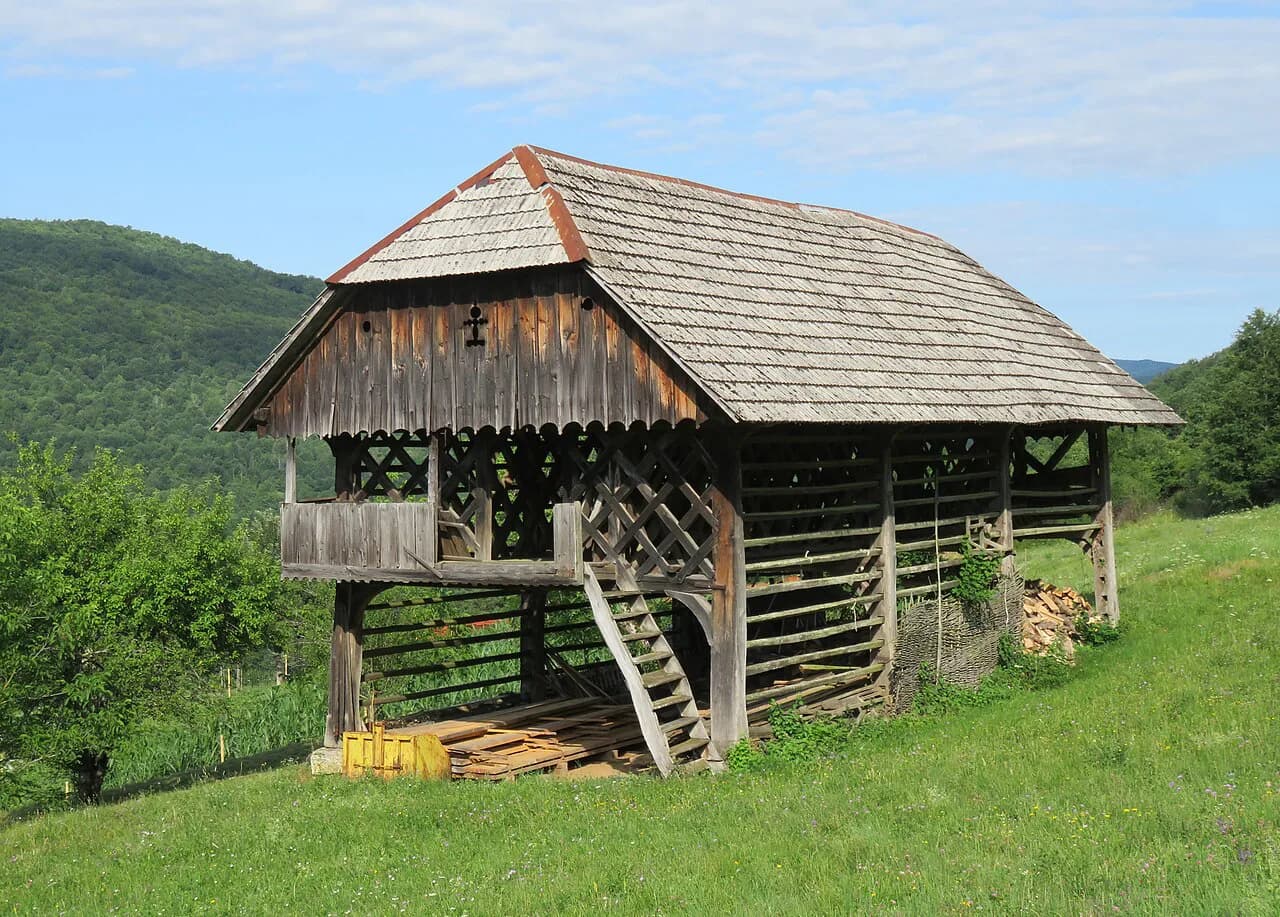
If the hives catch your interest, the painted panels in front of them are worth a second look: painted beehive panels carry scenes from scripture and village life and are now collected as folk art. They belong to the same rural world as the kozolec, the wooden hayrack you will see in the same fields.
Questions to ask a queen breeder
Before you buy, ask how the breeder documents maternal origin and the mating arrangement, because both shape the workers and color alone proves nothing about purity. Ask which traits the breeding line is selected for, and whether swarming behavior or hygiene was part of the program.
Ask, too, about introduction: successful requeening depends on the receiving colony as well as the queen, so a breeder should be able to explain the method and the timing. Finally, ask for current availability and prices directly, since neither is fixed from season to season.
Carniolan bees, whether you keep them or just visit
For a beekeeper, the Carniolan's case is clear: calm handling, early foraging and economical wintering in a small cluster, paid for with a swarming tendency that demands timely space. Judge it against your climate and your willingness to inspect on the colony's schedule rather than your own.
For a visitor, the bee is a window into rural Slovenia, through bee houses and beekeeping tourism, the painted hive panels and the honey on the table. Slovenian souvenirs worth buying and the country's folk costume round out that picture in much the same way.
Explore more Slovenia guides
Frequently Asked Questions
Are Carniolan bees good for beginners?
They are often a good fit, because calm handling on the comb is a selection goal and the bees are considered gentle. The catch is spring management: colonies build fast and can swarm if they run out of space, so a beginner needs a plan for adding boxes in time. Temperament also depends on weather, food, disturbance and queen status, not just the subspecies.
Which bees are more docile, Carniolan or Italian?
Both are treated as gentle compared with aggressive types, and reports describe Carniolan and Italian colonies alike as calm to work with. The practical difference shows up in other traits: Carniolans start foraging earlier in spring, while Italians are associated with large honey crops and strong colony growth. Choose for climate and management rather than for calmness alone.
Can you see Carniolan bees in Slovenia as a visitor?
Yes, in general terms: beekeeping tourism and traditional bee houses are part of Slovenia's beekeeping offer, and hives in painted wooden structures are a common sight in the countryside. Individual sites set their own visiting arrangements, so check with the specific bee house or tourism operator before you plan a stop.
Sources
Notes for your Slovenia trip
Optional updates to our Slovenia place guides.
You might also like

Continue reading
More guides you'll find useful