Slovenian Music: Folk Songs, Polka and Where to Hear It
Slovenian music spans Alpine folk song, fiddle and vocal traditions and the Avsenik polka sound. Here is what to listen for and where to start listening.
On this page
Slovenian music is easiest to grasp in two layers: an older folk song and fiddle repertoire tied to the Alps, the Pannonian plain and the Adriatic coast, and the narodnozabavna ensemble sound of polka and waltz that most visitors actually encounter. The country sits where Germanic, Roman and Slavic cultures meet, which is why its traditional music shifts in mood and instrumentation from region to region. This guide covers what you are hearing, which performers and recordings to start with, and how to plan around live music without guessing at schedules.
What Slovenian music sounds like: Alpine, Pannonian and Mediterranean strands
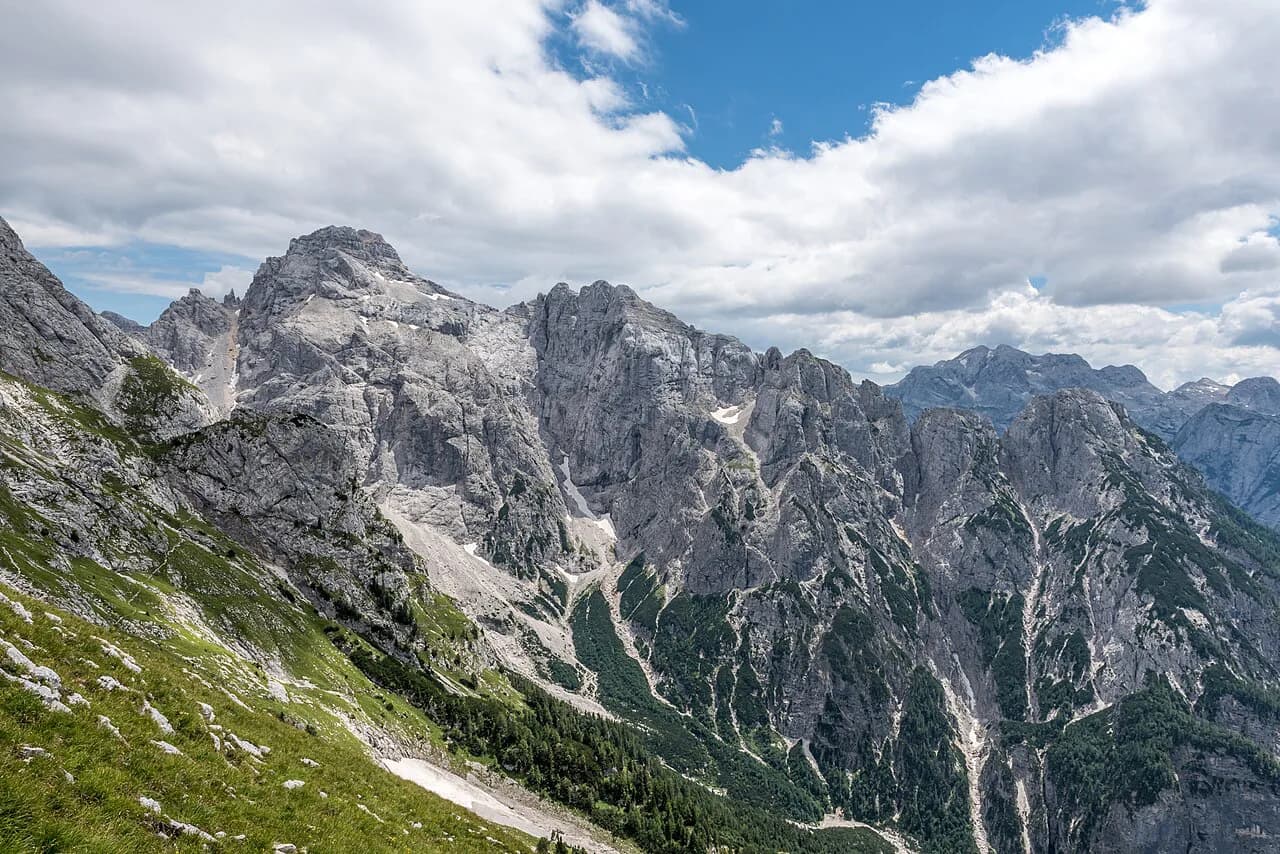
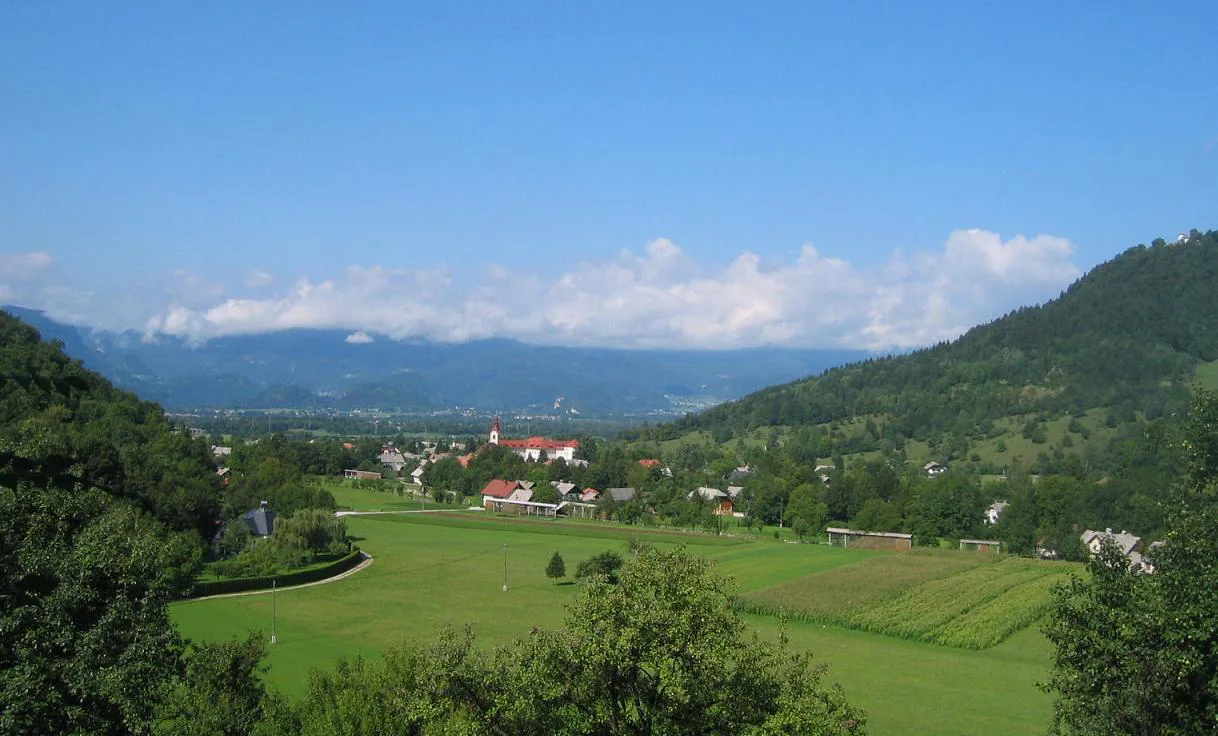
Think of Slovenian traditional music as three regional accents rather than one style. In the northwest, the Alpine edge against the Julian Alps favors song and instrumental lines that sit close to Austrian and Bavarian models, while the northeast toward the Pannonian plain leans on the ensemble sound of polka and waltz. The southwest, along the Adriatic, picks up Mediterranean color in melody and in the way songs are sung.
That range is not a marketing line. The fieldwork team behind the Sounds of Slovenia recordings described the country as an area of great natural and cultural diversity bound to the Alps, Pannonia and the Adriatic, and as a crossing point of Germanic, Roman and Slavic cultures. For a traveler, that means the music you hear in Prekmurje and the music you hear in the Soča valley are relatives, not twins.
Folk song and fiddle traditions: the Sounds of Slovenia fieldwork recordings
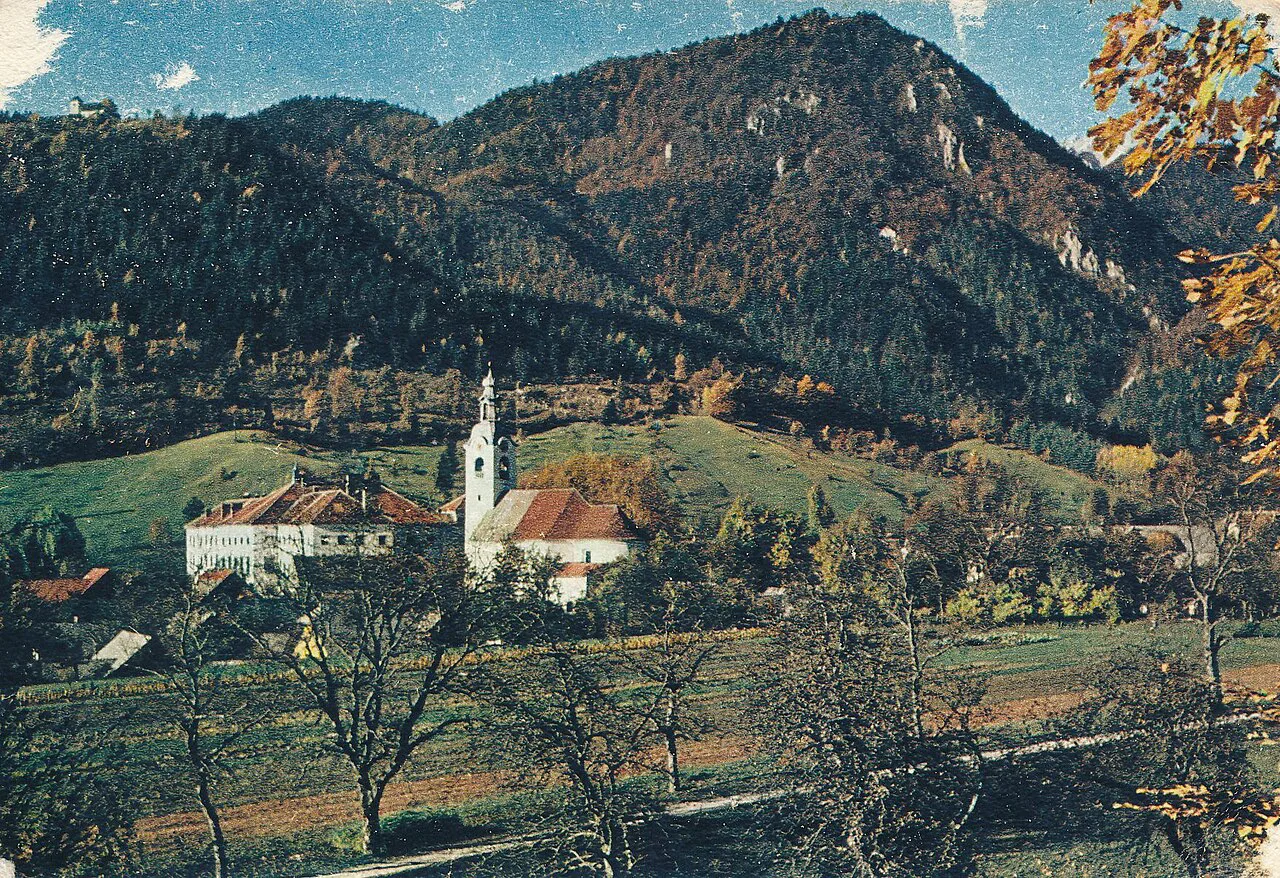
If you want one listening starting point rather than a genre list, use Sounds of Slovenia. A three-member team traveled through Slovenia and abroad between December 2010 and March 2011 to document who still sings and plays the old songs, and the result was published as a bilingual booklet with a double CD: more than 70 pages of photos, descriptions and performer notes plus 159 minutes of field recordings.
The project closed with a concert in Ljubljana at Stara Elektrarna in early May 2011, where more than 150 singers and fiddlers performed together and national broadcaster RTV SLO recorded the event. Treat that as documentation of a specific gathering, not as a standing venue listing. The bilingual booklet and double CD could be ordered through celinka.si.
Ethnomusicologist Svanibor Pettan of the University of Ljubljana assessed the project as rooted in fieldwork and built on an understanding of the musicians, their repertoire and the context the music lives in. That framing is useful when you listen: these are recordings of named singers and fiddlers in place, not a studio compilation. If you want the vocabulary that surrounds this material, the Slovenian language page covers the basics of the words you will meet in track titles and liner notes.
Narodnozabavna and the Avsenik Ensemble
Narodnozabavna is the ensemble music visitors meet at weddings, town celebrations and village halls: a small band with accordion, brass and guitar, playing polkas and waltzes with sung verses. It is a later, more arranged relative of the older folk song repertoire, and it is the sound most likely to follow you through a Slovenian summer evening. If you hear one name attached to it, it will be the Avsenik Ensemble, the group whose recordings anchor the narodnozabavna end of the Slovenian folk playlist.
The Avsenik Ensemble's reach is easy to underestimate. When six Slovenian songs were included in an EU songbook, one of them was by the Avsenik Ensemble, alongside the theme song of the first Slovenian color feature film, as reported in November 2024. That is a snapshot of how the ensemble is regarded at home, not a chart position or a ranking you should treat as current.
Songs Slovenians know by heart, including the EU songbook picks
The EU songbook inclusion is the clearest documented signal of which Slovenian songs carry weight beyond their own region. Six songs from Slovenia entered the collection, and the selection paired an Avsenik Ensemble number with the theme from the first Slovenian color feature film. That mix tells you something practical: the repertoire Slovenians sing along to spans film melody and ensemble polka, not just village song.
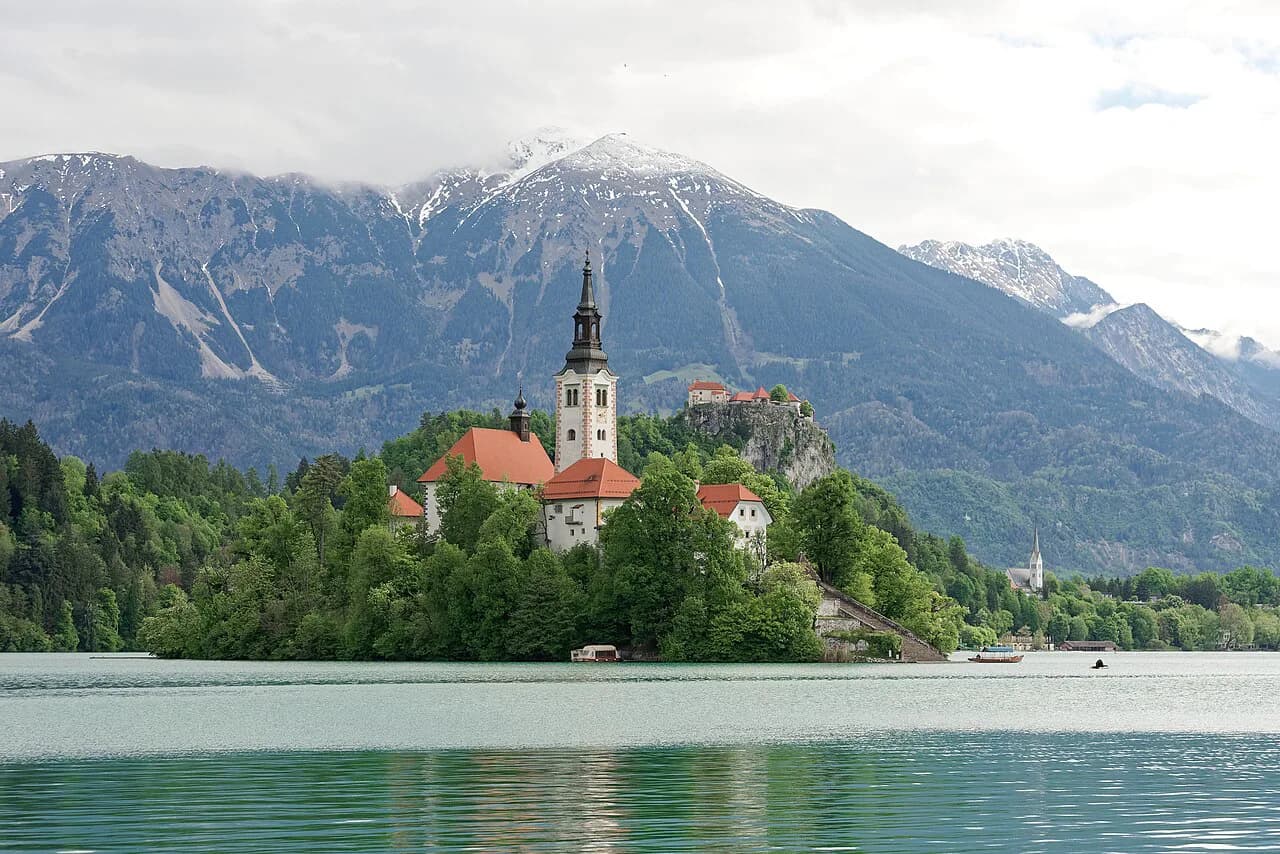
If you want to hear this repertoire before you travel, a curated streaming playlist is the low-effort route. The Sound of Slovenian Folk playlist gathers ensemble recordings with titles in Slovene, from Ansambel bratov Avsenik to Modrijani and Ansambel Lojzeta Slaka. Play it in the car on the drive to Bled or Bohinj and you will recognize the accordion-and-brass formula the moment a village band strikes up.
Where to hear Slovenian folk and polka: stages, concerts and events
Live folk and polka in Slovenia is organized around occasions rather than fixed venue nights. Village celebrations, saint's days, concerts and ensemble anniversary shows are the usual settings, and the Sounds of Slovenia project itself culminated in a single closing concert at Stara Elektrarna in Ljubljana rather than a recurring series. Plan to check what is on in the town you are visiting during your dates instead of counting on a standing folk-music program.
For the cultural backdrop to those occasions, the calendar of Slovenian traditions is the more reliable planning tool: it explains the seasonal celebrations where music, costume and food appear together. Where a town publishes its own event program, that listing, not a guidebook, tells you what is actually happening on your dates.
Expect costume to be part of the picture at formal folk events, since performers often appear in narodna noša, the Slovenian folk costume. Knowing what you are looking at makes the difference between a confusing spectacle and a legible one, and the folk costume guide explains the regional variations.
Listening before you go: recordings and playlists to start with
Build a short listening list rather than a comprehensive one. Start with the Sounds of Slovenia field recordings for older song and fiddle material, then move to the streaming playlist for the ensemble sound of polka and waltz. Hearing both back to back makes the difference between folk song and narodnozabavna obvious in a way no description can.
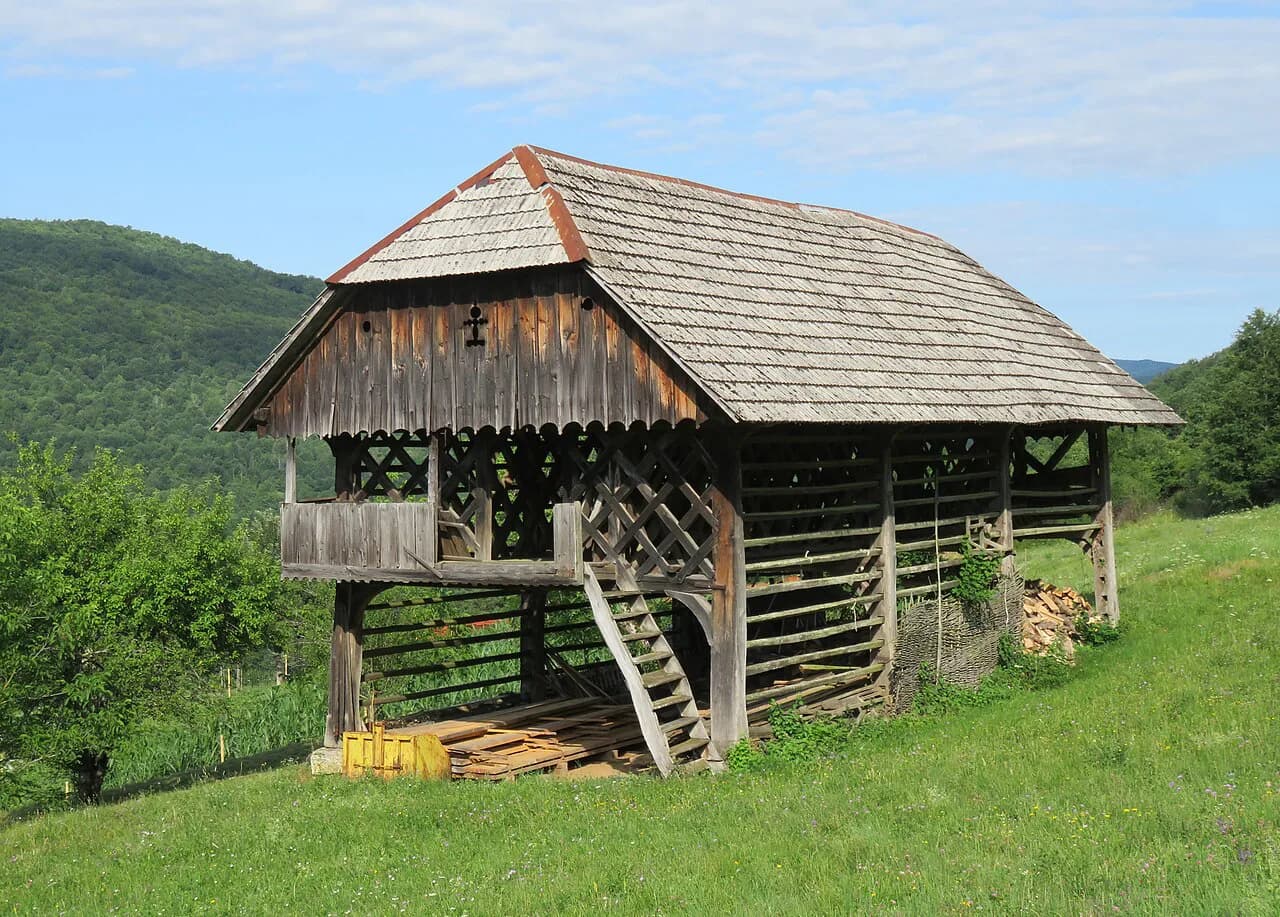
Pair the audio with the objects and places that go with it. If your route takes you through the countryside, keep an eye out for the kozolec, the wooden hayrack that marks the same farm landscape the songs come from, and read the kozolec guide before you go. Similarly, painted beehive panels at the edge of a village tell you which region you are in, and the painted beehive panels page decodes them.
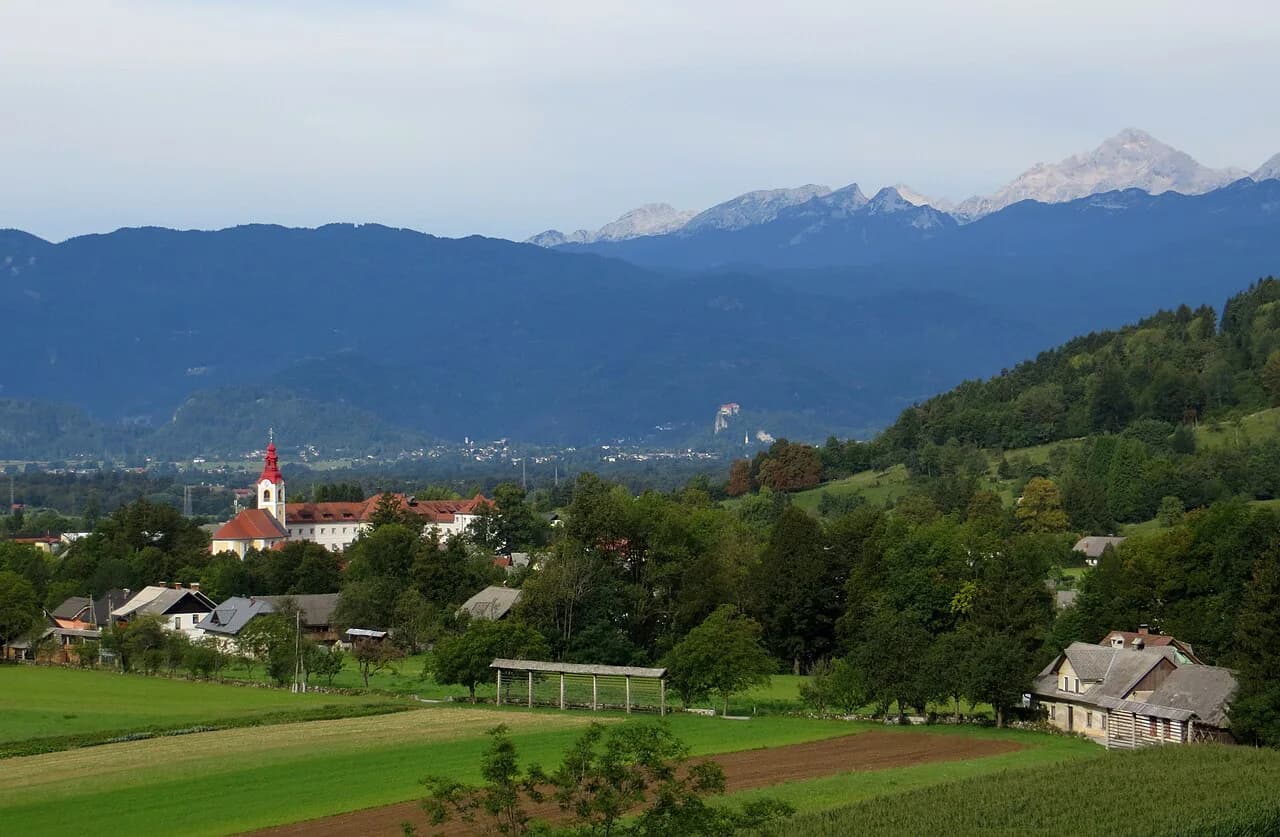
For a broader frame, the Slovenia Culture section covers the language, crafts and built heritage that surround the music. The Slovenian architecture page, for instance, explains the church towers and farm buildings that form the backdrop to a village concert.
How to fit Slovenian music into your trip
Treat music as a layer on your route rather than a destination in itself. Listen to the Sounds of Slovenia recordings and the Slovenian folk playlist before you leave, then watch for village celebrations and ensemble concerts on local event listings once you have your dates fixed. If a specific concert or festival matters to your trip, confirm it with the organizer before you build the day around it.
For the wider context, browse the Slovenia culture pages to see how music sits alongside costume, crafts and the calendar of traditions. That background is what turns a passing accordion tune into something you recognize.
Explore more Slovenia guides
Frequently Asked Questions
What is the most popular music genre in Slovenia?
Narodnozabavna, the ensemble polka and waltz style, is the traditional sound most associated with public celebrations, and the Avsenik Ensemble is the name that anchors the narodnozabavna end of Slovenian folk recordings, appearing on the Sound of Slovenian Folk playlist. Traditional folk song and fiddle material survives in fieldwork recordings such as Sounds of Slovenia.
What is the most famous folk song in Slovenia?
No single song is documented as the definitive one. One documented signal is an EU songbook that included six Slovenian entries, among them a number by the Avsenik Ensemble and the theme song of the first Slovenian color feature film, as reported in November 2024. The Sounds of Slovenia recordings are the best starting point for older folk song and fiddle repertoire.
Where can I hear live Slovenian folk music?
Live folk and polka usually appear at village celebrations, saint's days and ensemble concerts rather than at fixed venue nights. Check the local event listings for the town you are visiting during your dates, and be aware that a specific concert may be a one-off rather than a recurring series.
Sources
Notes for your Slovenia trip
Optional updates to our Slovenia place guides.
You might also like
Continue reading
More guides you'll find useful