Slovenia Souvenirs: What to Buy and Where It Comes From
A practical guide to Slovenia souvenirs: Piranske Soline salt from Sečovlje, Idrija lace, pumpkin seed oil, honey and painted beehive panels.
On this page
Buy salt from the Sečovlje salt pans, a jar of dark pumpkin seed oil, a piece of Idrija lace, Slovenian honey and, if you have room, a painted beehive panel. Each comes from a region you can name, which makes it a better souvenir than a generic magnet and easier to buy well. This guide explains what each item is, which region produces it, and how to tell a handmade piece from a lookalike.
The practical side matters as much as the shopping: oil, wine and honey are liquids that must survive a flight, lace is delicate, and some crafts cost enough that you should decide before you walk into the shop. Confirm current prices at the counter rather than trusting an old blog post.
What to buy in Slovenia: the short answer
Prioritize Sečovlje salt, Idrija lace and pumpkin seed oil. Salt is light and sealed, lace packs flat, and oil is heavy and needs padding, so buy it late in the trip. Honey, chocolate and cookies fill gaps for food gifts, and a painted beehive panel is the one decorative piece that is unmistakably Slovenian.
The national tourism board files these under local products and original Slovenian items rather than branded goods, which is a useful filter when you are standing in a shop. If a shelf holds the same magnet in five colors, head for the food and craft sections instead.

Piran salt and fleur de sel from the Sečovlje salt pans
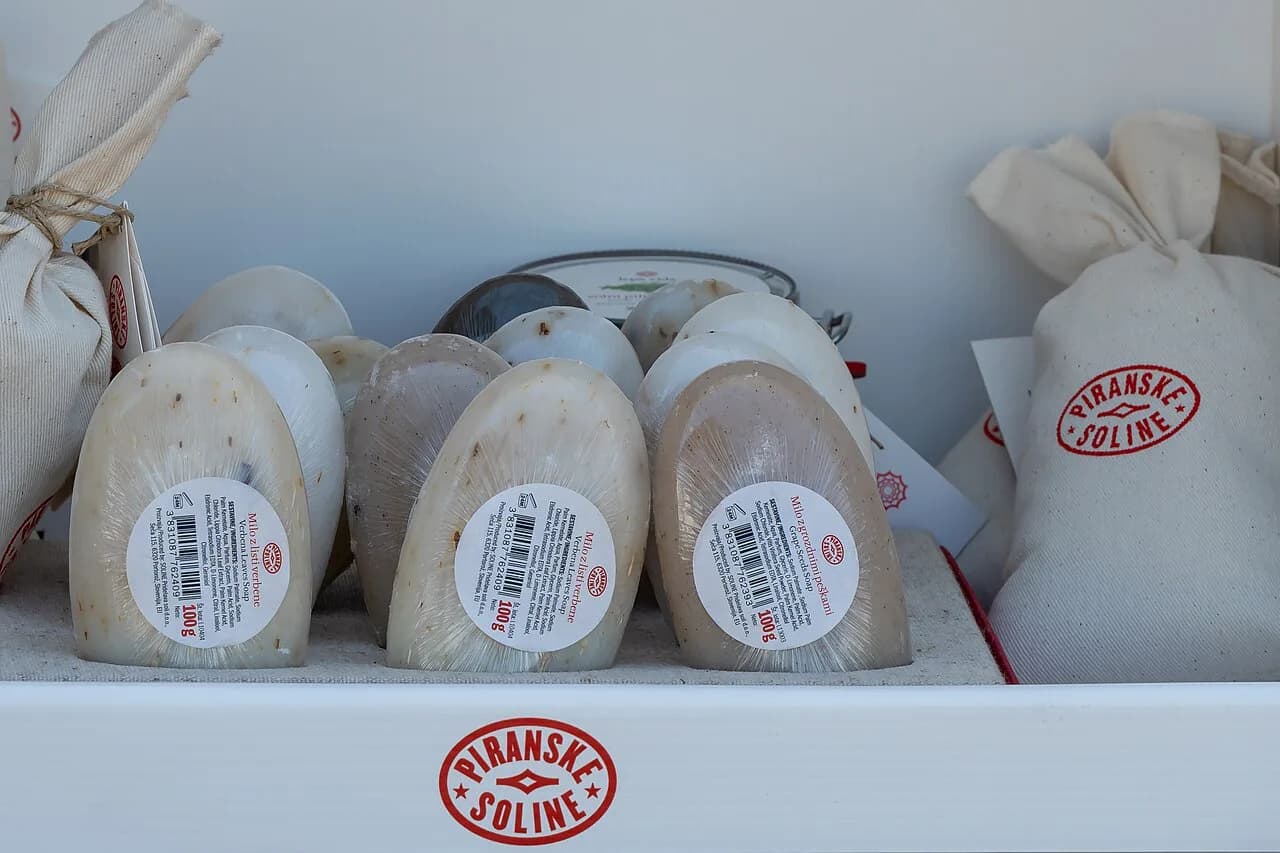
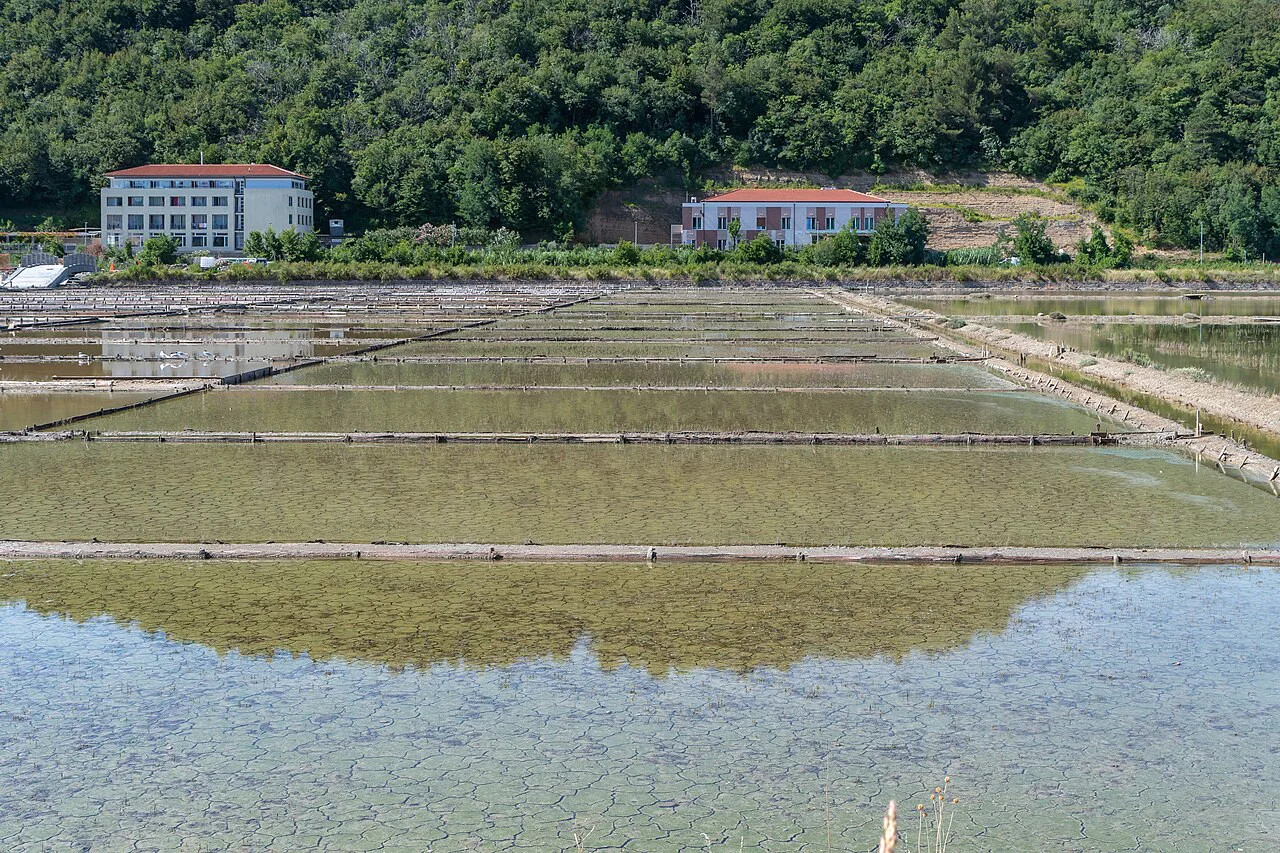
Look for solni cvet, salt flower or fleur de sel, harvested by hand from the top layer of the crystallization basins in the Sečovlje Salina Nature Park. Seawater moves through a chain of evaporation basins and ends in crystallization basins, where the delicate top layer is scraped off rather than dug out. That method gives the flakes their shape and a stronger flavor than ordinary fine salt, and the traditional salt-making behind it sits within the wider story of Slovenia culture.
The park sits in Slovenia's southwest corner along the Croatian border and splits into Lera in the north, where salt-making is still active, and Fontanigge in the south. Piranske Soline is the brand tied to this salt, and Lera holds a gift shop selling the products plus a multimedia visitor center showing a short film about the pans. Buying at the source lets you compare plain salt, fleur de sel and herb blends side by side.
The same salt is sold in food shops and gift stores elsewhere in Slovenia, so you do not have to detour to Sečovlje for it. If you do visit the pans, go early in summer, because the open basins offer almost no shade. Check the park's own site for current entry arrangements and shop hours before you drive out.
Idrija lace: what a piece actually is and how to tell it apart
Idrija lace is made from thread worked with needles and bobbins into decorative pieces, gloves, tablecloths and jewelry. Knowing that construction is your best defense against imitations: real bobbin lace shows a visible thread network and slight irregularity where the bobbins crossed, while printed or machine-embroidered versions look flat and repeat perfectly.
Lace is the easiest souvenir to carry: light, unbreakable and flat between clothes. Small jewelry and decorative pieces suit gifts better than a full tablecloth, which costs far more and rarely gets used. Ask whether a piece is hand-made in Idrija, and look at the back of the work before you decide.
Pumpkin seed oil and where it comes from
Pumpkin seed oil is a delicacy from Prekmurje and Štajerska in eastern Slovenia and the most useful edible souvenir for anyone who cooks. Its dark green-black color comes through in a few drops drizzled over salads, carrot soup or pumpkin soup, so a small bottle goes a long way. Do not cook with it; add it at the end, the way Slovenians do, and it earns a place alongside other Slovenian traditions at the table.
Carrying it is the real issue. Oil is heavy, the bottle must be padded in checked luggage, and a leak ruins everything around it, so seal it in a bag and then wrap it in clothes. Buy it at the end of the trip, and check your airline's liquid rules if you plan to take a small bottle in the cabin.
Honey and painted beehive panels
Slovenian honey is a straightforward food gift that travels well, and it connects to a craft you will see across the countryside: painted beehive panels, called panjske končnice, the decorated front boards of beehives. The panels carry painted scenes rather than patterns, and reproductions are sold as small plaques and prints. The story behind the panels is worth reading before you choose one, and the Carniolan bee behind the honey has its own history in Slovenia.
Beehive panels and honey both appear among the souvenirs people most often bring home, alongside the other items here. Buy honey from a market stall or farm shop where you can taste first, since chestnut, linden and forest honey differ sharply. A panel is bulkier than it looks, so measure your suitcase before you fall for a large one.
Wine and spirits worth carrying home
Slovenian wines travel well if you pack them properly, and labels to look for include renski rizling, modra frankinja and teran. Teran also turns up as a spirit, and pear and blueberry liquors make better gifts than another bottle of the same red. If you know nothing about wine, buy one bottle you have tasted rather than three you have not.
Wine is the heaviest souvenir per unit of enjoyment, and baggage limits are unforgiving. Bottle protectors and a sealed bag are not optional, and assume a checked bottle may break. Rogaška crystal is the other fragile option, worth considering only with a hard-shell case and space to spare.
Local food gifts: cookies, chocolate and baked goods
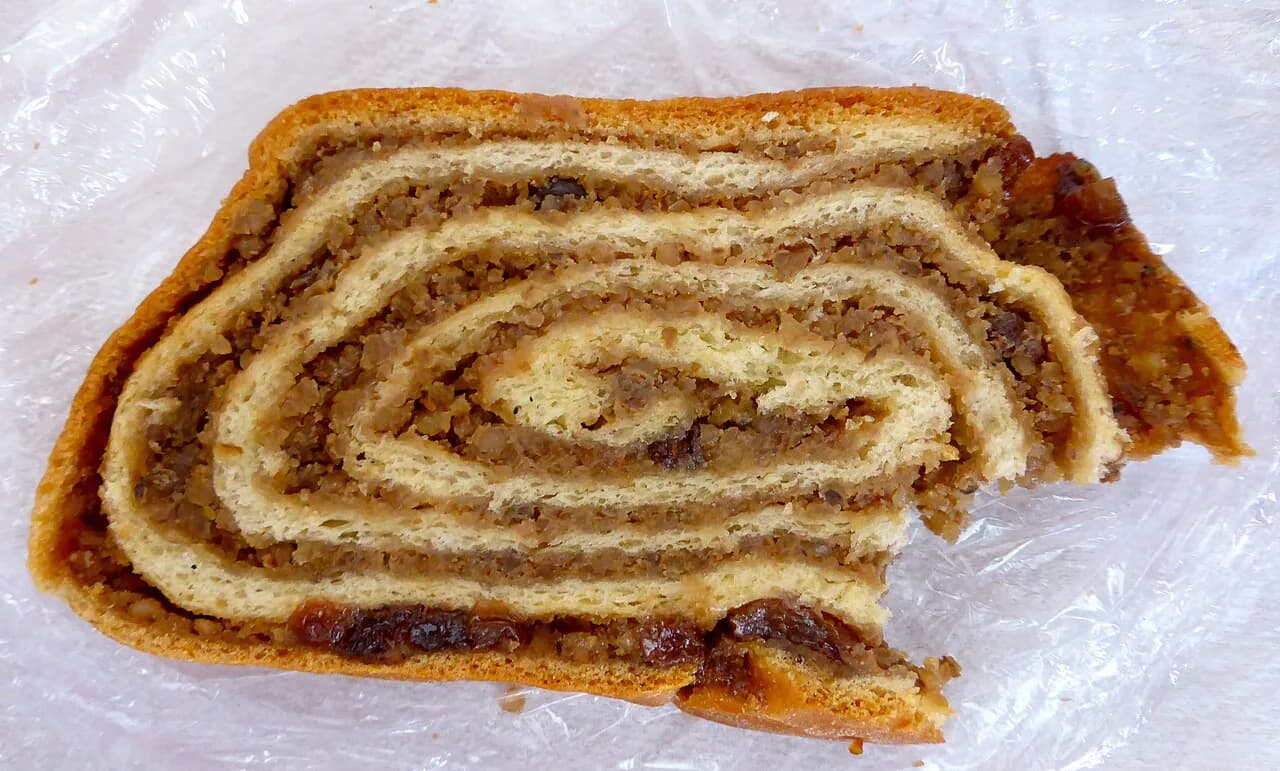
For gifts that survive the flight without padding, look at cookies, chocolate and baked goods. Gorenjka chocolate comes in flavors such as lime, raspberry and an apple-cranberry mix, and a local bakery can supply a boxed assortment of nut, coconut, jam and chocolate cookies that looks generous and weighs little. These are also the easiest items to buy on your last afternoon, once oil and wine have used up your luggage space.
Buy baked goods late so they are still fresh when you get home, and keep chocolate out of direct sun in a hot car. For something more distinctive than a box of cookies, honey bread from Dražgoše is a traditional option that keeps well.
Handmade crafts: knives and other workshop pieces
The standout handmade craft is a pattern-welded knife from a blacksmith workshop outside Ljubljana, made by hand-folding molten metal many times and fitting the blade with handles whittled from local wood and trimmed with cow horn. The maker described in 2014 was the fifth generation of his family in the trade, and such a knife is a purchase you plan for rather than stumble into. Confirm the maker, the steel and the price directly before ordering.
Beyond knives, wooden folk crafts and handmade leather slippers are the traditional craft items most likely to fit in a suitcase. For anything made to order, ask about lead time and shipping before you commit, because a knife or a large lace piece may not be ready before your flight.
What to skip or think twice about
Skip anything you could buy at home for the same money: printed T-shirts, generic mugs and souvenir merchandise designed abroad. The same logic applies to large crystal pieces you cannot transport safely and to bulk boxes of cookies you will not finish. If an item has no regional name attached to it, it is probably not worth the luggage space.
Think twice about very large beehive panels, full lace tablecloths and multiple bottles of wine. Each is lovely and each is heavy or fragile, and the combined weight of oil, wine and honey adds up fast against an airline allowance. Choose one showpiece and let the rest of your budget go to food gifts you can actually carry.
Buying on the coast versus inland: where each item is easiest to find
On the coast, buy salt. The Sečovlje pans and the shops around Piran and Portorož concentrate Piranske Soline products, and salt is the one souvenir worth buying at the source. Inland the pattern flips: pumpkin seed oil, honey and wine are easiest to find in the east and in farm shops, while Idrija lace belongs to Idrija and the towns around it.
Ljubljana is the practical fallback for everything, and the tourism board's shopping pages are the place to confirm which shops carry original Slovenian products before you set out. If your route only touches one region, buy that region's specialty there rather than hunting across the country for a full set.
Which souvenir should you actually buy?
Buy salt and pumpkin seed oil first, because both are edible, distinctly Slovenian and easy to justify; add Idrija lace or a beehive panel if you want something to keep. Skip the fragile, heavy and generic, and buy liquids at the end of the trip so they spend less time in a hot car.
Whichever you choose, ask where it was made and how to carry it before you pay. That one question separates a souvenir with a region behind it from a souvenir with only a price tag.
Explore more Slovenia guides
Frequently Asked Questions
What are the most popular souvenirs from Slovenia?
Salt from the Sečovlje pans, pumpkin seed oil, Idrija lace, honey, painted beehive panels, Slovenian wine and spirits, Gorenjka chocolate and boxed cookies are the items most often bought and carried home. Most are tied to a named region, which is what makes them worth the luggage space.
Can I bring pumpkin seed oil and wine home in my luggage?
Yes, in checked baggage, provided you pack them properly. Wrap bottles in sealed bags and padding so a break does not ruin your clothes, and check your airline's weight allowance before you buy, since oil and wine add up quickly.
Where can I buy Piranske Soline salt?
The Lera area of the Sečovlje Salina Nature Park has a gift shop selling Piranske Soline products, and the salt is also stocked in food and gift shops elsewhere in Slovenia. The park is in the southwest, near the Croatian border.
Is Idrija lace always handmade?
No. Handmade bobbin lace shows a visible thread network and slight irregularity, while machine imitations look flat and repeat perfectly. Ask the seller directly whether a piece is hand-made in Idrija and inspect the back of the work before buying.
Sources
Notes for your Slovenia trip
Optional updates to our Slovenia place guides.
You might also like


Continue reading
More guides you'll find useful