Slovenian Language Basics: Phrases, Pronunciation and the Alphabet
Slovenian language basics for visitors: greetings, please and thank you, useful questions, and how to sound out č, š and ž on menus and signs.
On this page
Six phrases cover most visitor encounters in Slovenia: Zdravo for hello, Prosim for please, Hvala for thank you, Ne razumem for I don't understand, Kje je for where is, and Koliko stane for how much it costs. Learn those and you can greet a shopkeeper, ask a price, and signal that you have not understood before asking whether the person speaks English. The rest of this guide groups phrases by the moment you need them, then explains the letters that make place names look harder than they sound.
Phonetic respellings here follow one phrase list so you are not switching between three systems. Town signs, menus and bus timetables use the same alphabet you are learning, and the diacritics on Škocjan, Bohinj or Vršič are pronunciation cues rather than decoration. Slovenian sits within the wider South Slavic family, which is why a visitor who knows a few Croatian or Serbian words recognizes more than expected.
Why a handful of Slovenian phrases goes a long way
English is widely spoken in tourist areas, and that is precisely why a few Slovenian words carry weight: they signal that you are trying rather than assuming. A greeting, a please and a thank you are enough to open most transactions, and a phrase for I don't understand hands the conversation back gracefully. You are not aiming for fluency on a week-long trip; you are aiming for the four or five exchanges you will repeat daily.
The practical payoff is reading rather than speaking. Once you can sound out the letters, you can pronounce the name of the next stop on a bus display or a village on a road sign. Slovenian is the official language of Slovenia and is spoken by more than two million people, most of them in the country, so the written word is everywhere you go.
The Slovenian alphabet and the letters that trip up English speakers
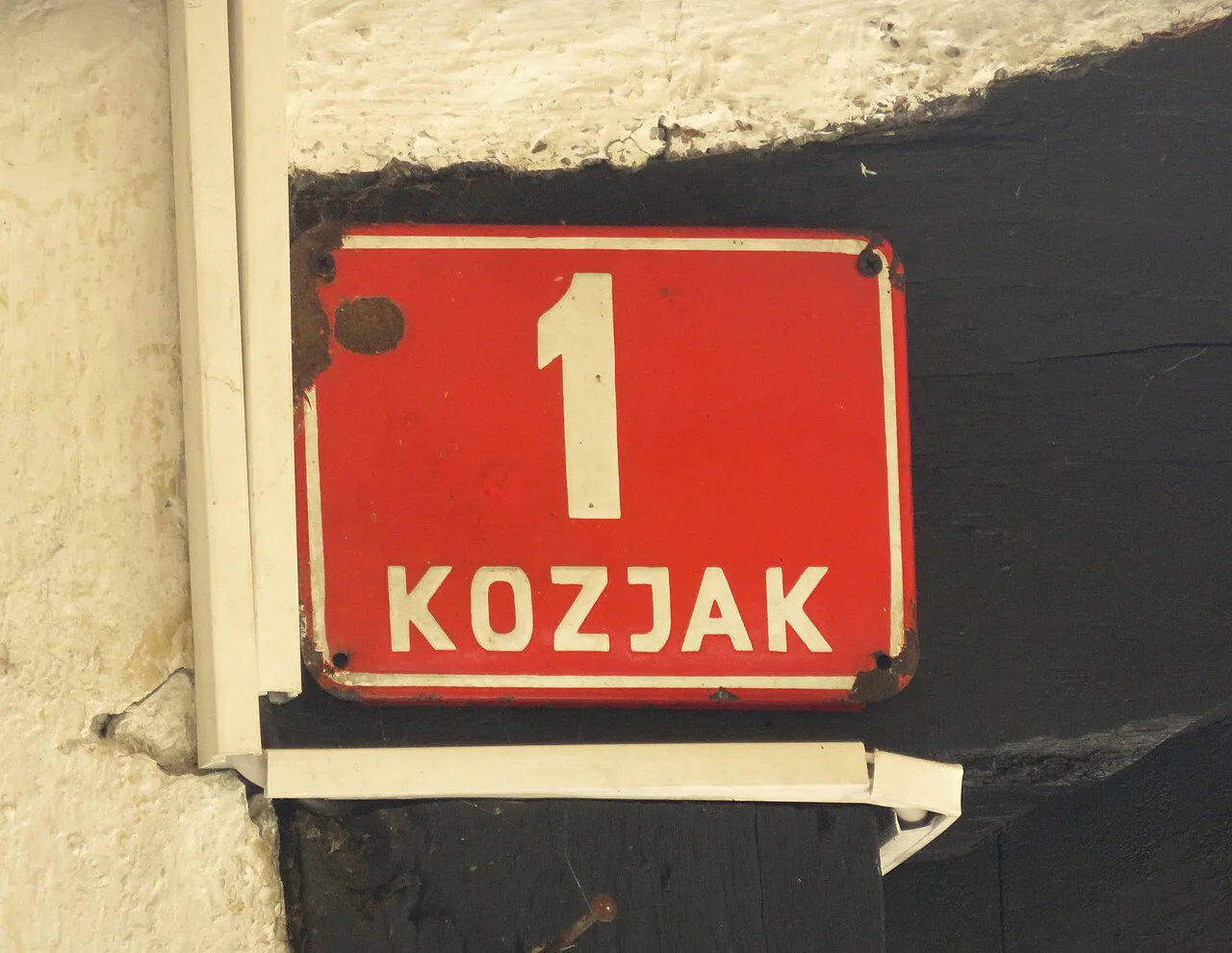
The alphabet has 25 Latin letters and does not use q, x, y or w. Three letters carry a caron: č, š and ž. Treat those three as the whole project at first, because they appear in place names, menus and street signs constantly and they change the sound of a word you might otherwise guess wrong.
The letter j is the other frequent surprise: it is pronounced like the y in yankee, not like the j in jam. That single rule rewrites how you say a long list of words, and it explains why names containing j often sound softer to an English ear than they look. Learn the j rule alongside the three caron letters and you have covered most of what makes written Slovenian look foreign.
How to pronounce č, š and ž
Take the three caron letters one at a time. Č sounds like ch in cherry, Š sounds like sh in show, and Ž sounds like the s in pleasure, as in the second g of garage. Slovenian even uses garaža for garage, which gives you a ready-made word to test the ž sound.
Applied to real names, the rules do the work: Bohinj stays soft because j is a y, Škocjan opens with sh, and Vršič ends on a ch. Sound each place name out slowly once and you will recognize it when a driver or ticket clerk says it back. Getting close is enough; nobody expects a flawless accent from a visitor reading a sign aloud.
Vowels, the letter j and rolled r
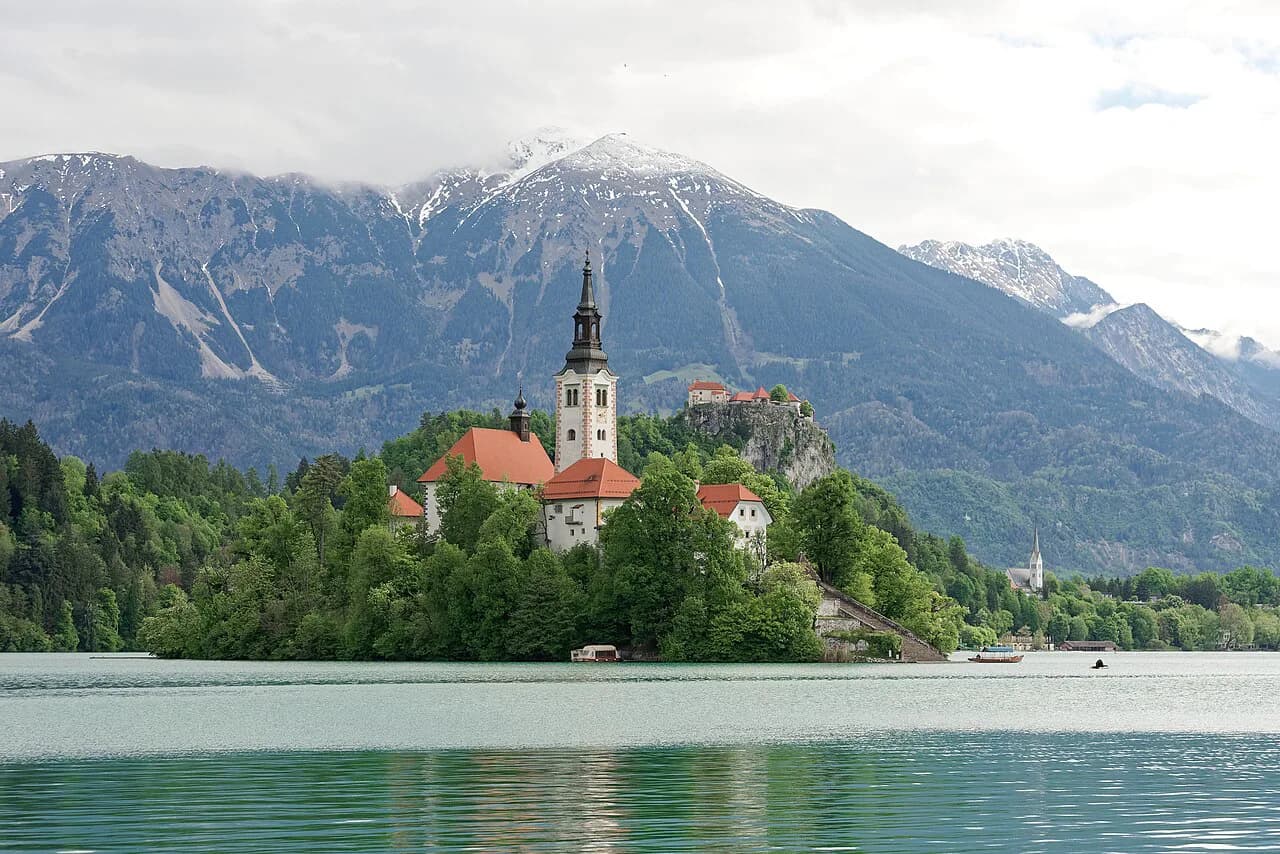
The five vowels, a, e, i, o and u, are pronounced much as they are in Spanish. Long and short versions shift slightly: a long i is an ee sound, a long a sits like the a in far, and a short a is closer to the a in above. Long e resembles the e in Bled, a familiar reference for anyone heading to Lake Bled.
The letter r is always rolled, similar to Italian or Spanish, and that applies even in clusters that look unpronounceable to English eyes. Stress has no hard-and-fast rule but usually falls on the second or third-to-last syllable, and when a word contains a long vowel, that syllable takes the stress. Listening to a place name once while reading it is the fastest way to fix the stress in your head.
Greetings: hello, goodbye and how are you
The phrase list gives Zdravo for hello, with the stress pattern Z-DRAH-voh, and Nasvidenje for goodbye, respelled NAH-svee-deh-nyeh. Use Zdravo when you walk into a shop or a tourist office and Nasvidenje as you leave; both are short enough to say without rehearsal. Kako si, pronounced KAH-koh see, asks how are you, and Dobro sem, hvala answers that you are fine, thank you.
A phrase course breaks greetings into their own short lesson rather than burying them in a long list, which suits a traveler who wants to hear and repeat a handful of words. Working through greetings first is enough to keep a short exchange moving.
Please, thank you and you're welcome
Prosim, respelled PROH-seem, is the word for please, and Hvala, HVAH-lah, is thank you. Say Hvala when a plate arrives, when someone holds a door, and when a ticket clerk hands you change; it is the single most useful word on the page. Ni za kaj, NEE zah kai, replies to thank you with the sense of you're welcome.
Yes is Da, DAH, and no is Ne, NEH. Two short syllables, but they are worth hearing once before you rely on them, because Ne can be mistaken for a filler sound in a noisy room. Pair Da with a smile and Ne with a shake of the head and you have covered most yes-or-no questions you will be asked at a counter.
Excuse me, sorry and I don't understand
Opravičujem se, OH-prah-vee-choo-yem seh, covers both excuse me and sorry, and it is what you say when you squeeze past someone on a crowded bus or bump a bag against a stranger. Ne razumem, NEH rah-ZOO-mehm, tells the person in front of you that you have not understood, which is more useful than nodding along. Both phrases keep an encounter polite even when the actual words fail.
Do you speak English?
Ali govorite angleško, AH-lee goh-VOH-ree-teh AHN-gleh-shkoh, asks whether someone speaks English. Ask it after a greeting and before launching into a question, so the other person has a chance to switch deliberately rather than being caught out. Learners in Slovenia note that people often answer in English quickly, which helps travelers and slows anyone trying to practice.
If you are making a genuine effort with the language, the switch can be the hardest part of the day. Expats interviewed about learning Slovenian describe the case system and the declension endings as the sticking points, not the greetings, and they describe constant practice as the method that moved things along.
Where is...? and how much does it cost?
Kje je, KYEH yeh, opens a question about location: point at a bus stop, a platform or a name on your phone and add the place. Koliko stane, KOH-lee-koh STAH-neh, asks how much something costs; it is the phrase you need at a bakery counter or a market stall where prices are not clearly posted. Neither phrase requires you to understand the reply, which is likely to include numbers or a direction you can follow by gesture.
Numbers are worth a look before you ask a price. A course such as the basics set groups numbers 1 to 10 and 11 to 20 into separate lessons, which is enough to catch a reply at a counter. Write the figure on a piece of paper or show it on your phone if the spoken number does not land.
Help! and other short emergency phrases
Pomoč, POH-mohch, means help and is the shortest phrase on the list. It is the one to memorize phonetically rather than by sight, since you will not be reading it off a screen when you need it. Short, loud and unambiguous, it works without any grammar behind it.
Beyond that, the phrases already covered do the work in a minor emergency: excuse me for stopping a passerby, do you speak English for asking whether someone can help in a language you manage. Keep the two or three of these in your head rather than in a folded page at the bottom of a bag.
Slovenian or Slovene: what to call the language
Use either. Slovene and Slovenian name the same South Slavic language; Slovene is the traditional name, and it is also called Slovenian. The distinction is stylistic rather than geographic, so you can say Slovenian on the bus and Slovene in a book without anyone correcting you. The language is part of a wider set of customs covered in this guide to Slovenia culture, which places it alongside food, festivals and everyday manners.
Within that wider picture, language sits beside seasonal customs such as Palm Sunday processions and Labour Day outings. If you are reading about those Slovenian traditions while you learn the phrases, the same alphabet will appear in the words you see on market stalls and in village squares.
Reading a menu and a sign with the basics you have
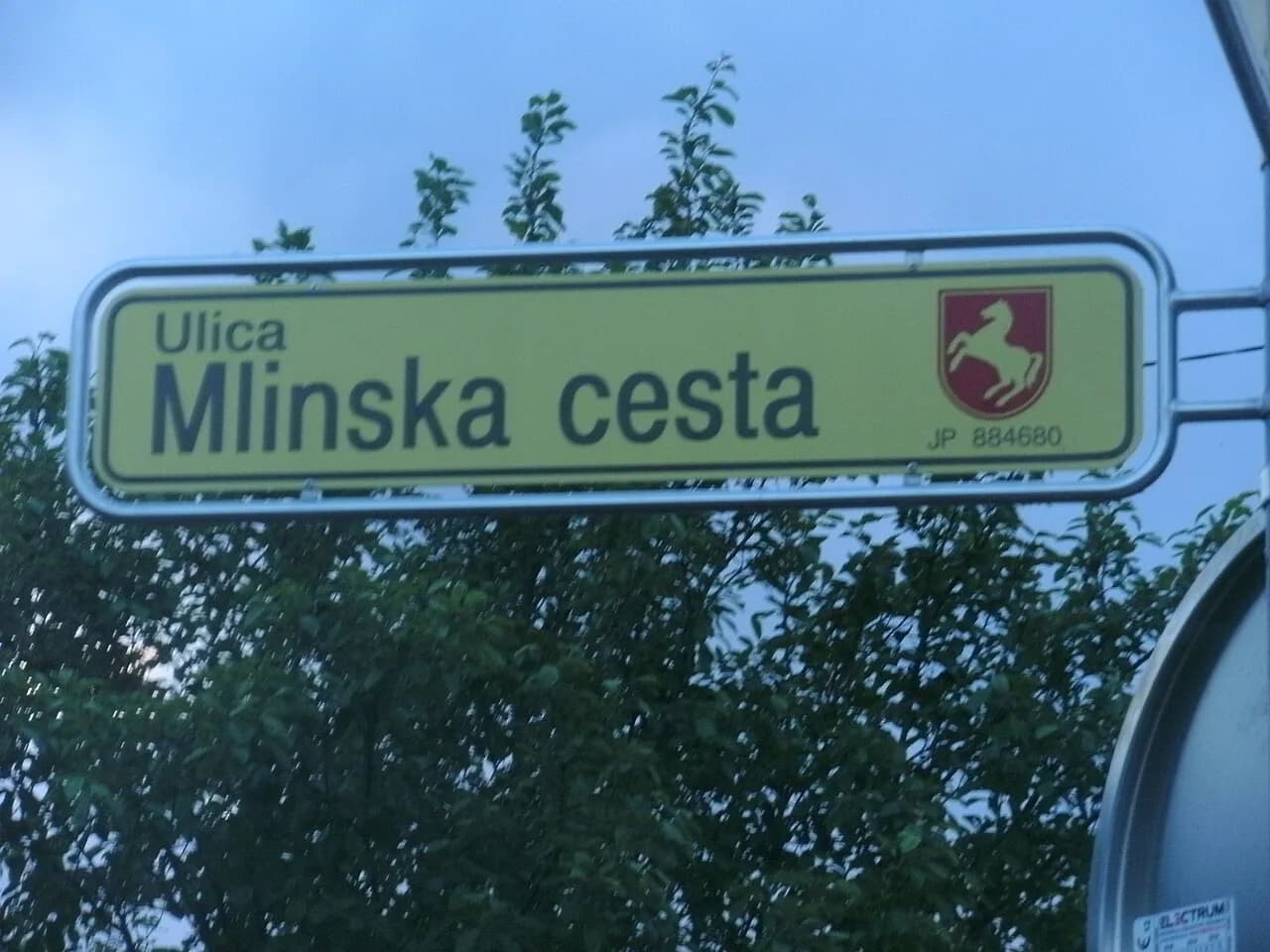
Menus reward the alphabet more than the phrase list. Once č, š and ž are automatic, words on a menu become readable ones you can sound out and, in many cases, recognize from English or another European language. Cognates help too: mama, televizija, informacija and elektrika are near-identical to their English counterparts and give you an easy entry into longer words.
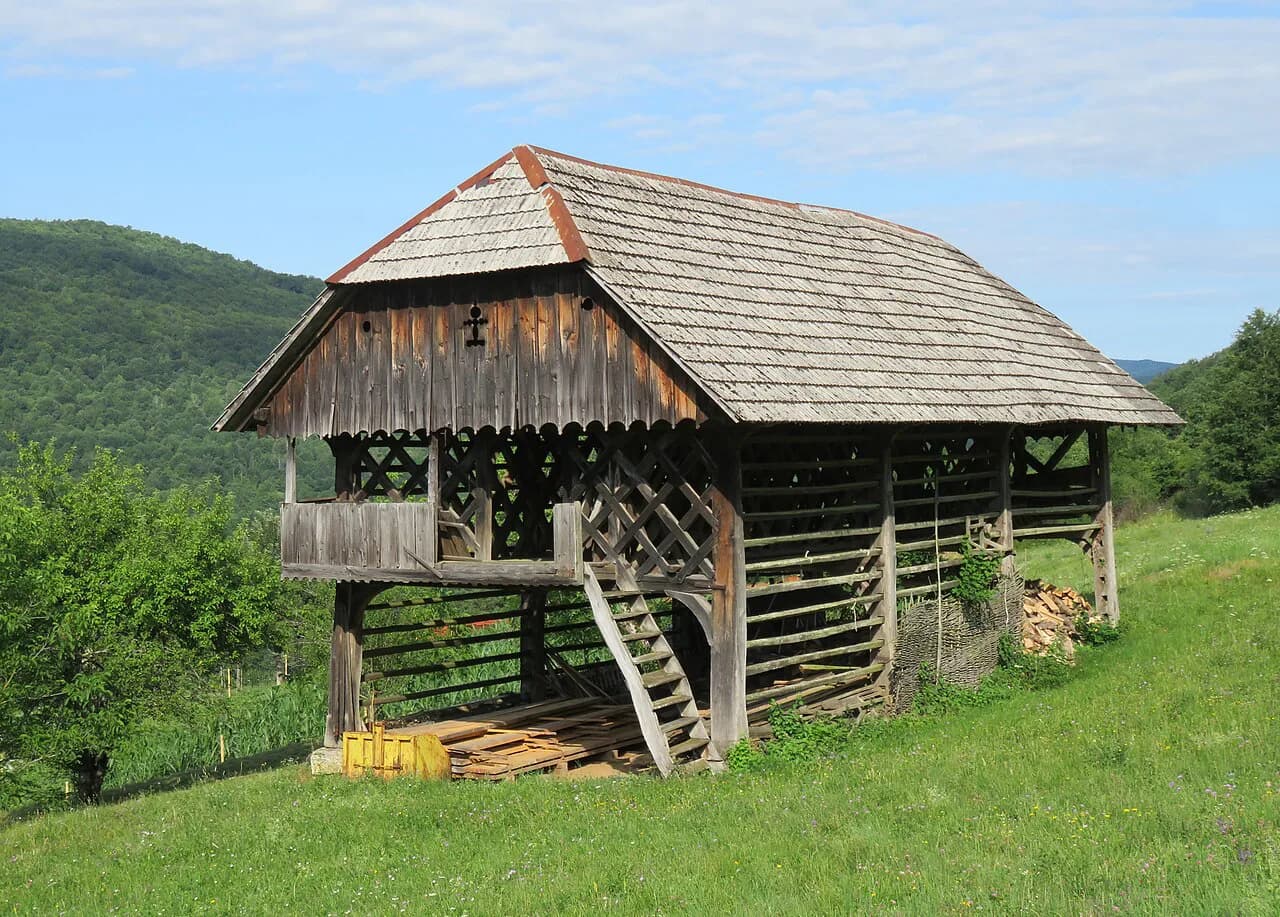
The same skill makes a farm stand or a rural sign less intimidating, particularly in regions where regional words and names appear alongside standard Slovenian. A kozolec, the freestanding hayrack you pass in the countryside, usually carries a local place name on a board you can now read aloud. Take the pronunciation rules along and the alphabet stops feeling like homework.
How far should you take Slovenian before you travel?
Aim for greetings, please and thank you, excuse me, I don't understand, do you speak English, and the two question stems for where and how much. That is a realistic set to learn before a single trip and it covers the encounters you will actually have. Add numbers 1 to 10 if you expect to ask prices at counters and markets.
Leave the grammar for later. Cases and the dual number are what long-term learners identify as the hard parts, not the words you need on a visit. Park the alphabet rules somewhere you will see them, then practice out loud on the place names you pass along the way.
Explore more Slovenia guides
Frequently Asked Questions
How do you say thank you in Slovenian?
The word is Hvala, respelled HVAH-lah in the phrase list. It covers thank you in shops, restaurants and everyday exchanges, and you can reply to it with Ni za kaj, meaning you're welcome.
Is it correct to say Slovenian or Slovene?
Both are correct and refer to the same South Slavic language. Slovene is the traditional name, and the language is also called Slovenian; the choice is stylistic rather than geographic, and you will be understood either way.
How long does it take to learn Slovenian?
There is no honest single figure. What the accounts of long-term learners do describe is a slow climb through declension endings and grammatical cases, with the practical advice being to speak as often as possible rather than to study rules in isolation. A traveler can learn a short set of phrases quickly and set aside the grammar for another time.
Sources
Notes for your Slovenia trip
Optional updates to our Slovenia place guides.
You might also like
Continue reading
More guides you'll find useful